Smart Fabrics Transform Your Home Into an Eco-Friendly Haven
Transform your living space with sustainable textiles that seamlessly integrate with smart home technology. Organic cotton bedding, recycled polyester curtains, and hemp-based upholstery not only reduce your environmental footprint but also create healthier indoor air quality. These eco-conscious materials work in harmony with automated climate control systems, optimizing your home’s energy efficiency while providing superior comfort.
Today’s sustainable textiles go beyond basic organic materials – they’re engineered to be moisture-wicking, temperature-regulating, and exceptionally durable. From antimicrobial bamboo towels to biodegradable wool carpeting, each piece contributes to a more sustainable home ecosystem. The latest innovations even include textiles with built-in sensors that monitor air quality and adjust your home’s ventilation automatically.
Choose fabrics certified by GOTS (Global Organic Textile Standard) or OEKO-TEX to ensure authentic sustainability credentials. These materials not only support ethical manufacturing practices but also guarantee your home remains free from harmful chemicals and synthetic additives. By investing in sustainable textiles, you’re creating a living space that’s both environmentally responsible and technologically advanced.
The Evolution of Smart, Sustainable Textiles
Self-Cleaning and Temperature-Regulating Fabrics
Imagine fabrics that clean themselves and maintain the perfect temperature – it’s not science fiction anymore! These innovative sustainable materials are revolutionizing how we think about home textiles while significantly reducing our environmental footprint.
Self-cleaning fabrics use specialized nano-coatings that repel dirt, stains, and moisture, dramatically cutting down on washing frequency. When exposed to sunlight or room lighting, these materials break down organic matter and eliminate odors, keeping your textiles fresh with minimal water usage. Some varieties even incorporate silver nanoparticles for antimicrobial properties, perfect for bedding and upholstery.
Temperature-regulating fabrics work like your own personal climate control system. Using phase-change materials (PCMs), these textiles absorb excess heat when you’re warm and release it when you’re cool. This smart feature reduces the need for excessive heating and cooling, leading to lower energy bills and a smaller carbon footprint. Popular applications include bedding, curtains, and throw blankets that adapt to your body temperature throughout the day.
Choose these innovative textiles for a smarter, more sustainable home that practically takes care of itself!

Energy-Harvesting Textiles
Energy-harvesting textiles represent an exciting frontier in sustainable home design, combining fabric comfort with power generation capabilities. These innovative materials can transform your curtains, upholstery, and even wall coverings into mini power stations for your home. Solar-powered textiles use specialized fibers woven with photovoltaic materials that capture sunlight and convert it into usable electricity, while movement-responsive fabrics contain piezoelectric elements that generate power from motion and vibration.
Imagine curtains that not only filter sunlight but also power your smart home devices, or throw pillows that collect energy from everyday movement to charge your phone. Some manufacturers are now producing curtains with integrated solar threads that can generate enough power to charge small devices or contribute to home lighting systems. These textiles typically connect to power storage units discreetly hidden within the fabric’s hem or nearby wall outlets.
For DIY enthusiasts, some companies offer retrofit kits that allow you to add energy-harvesting capabilities to existing textiles, though professional installation is recommended for optimal performance and safety. While these technologies are still emerging, they represent a promising step toward more self-sufficient, sustainable homes.
Integrating Smart Textiles with Home Automation
Smart Curtains and Blinds
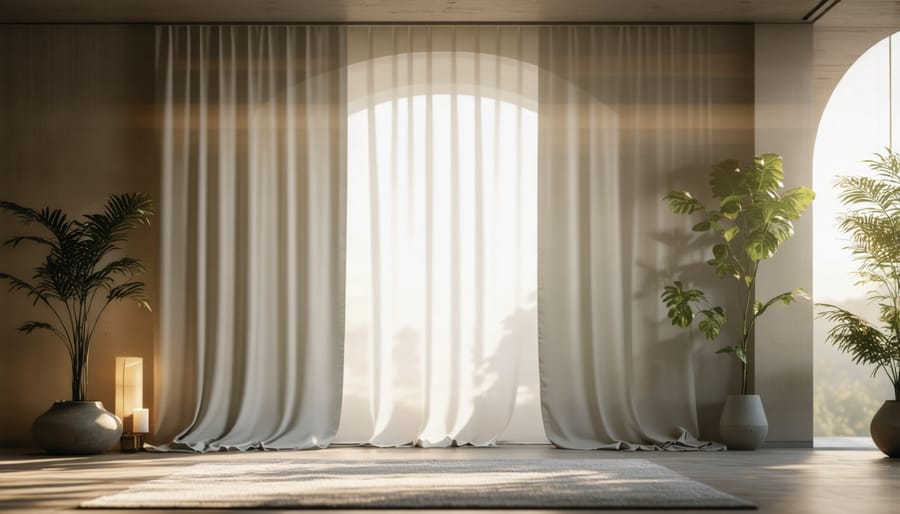
Smart curtains and blinds represent a perfect fusion of sustainable living and modern technology, offering an innovative way to optimize energy efficiency in your home. These automated window treatments use sensors and smart controls to adjust throughout the day, maximizing natural light while maintaining comfortable indoor temperatures.
The magic happens through motorized systems that can be programmed to respond to various factors, including time of day, weather conditions, and room occupancy. During winter months, these smart treatments can automatically open during sunny hours to harvest natural heat, then close at sunset to retain warmth. In summer, they’ll adjust to block intense sunlight, reducing the need for air conditioning.
Most smart curtains and blinds can be controlled through smartphone apps or integrated with existing smart home systems like Alexa or Google Home. Some advanced models even feature light sensors that gradually adjust the opacity of the fabric throughout the day, ensuring optimal lighting conditions while protecting your furniture from UV damage.
Installation options range from DIY-friendly retrofit kits that can motorize your existing curtains to complete smart blind systems. When choosing materials, look for sustainable fabrics made from recycled materials or organic cotton, which combine eco-friendly properties with smart functionality. The initial investment typically pays for itself through reduced energy costs and increased home comfort.
Connected Upholstery and Bedding
The future of sustainable home furnishings has arrived with connected upholstery and bedding that does more than just provide comfort. These smart textiles incorporate sensors and responsive technology to create a healthier, more comfortable living environment while maintaining eco-friendly standards.
Modern smart upholstery can monitor indoor air quality, detecting pollutants, humidity levels, and temperature variations. When conditions aren’t optimal, these fabrics work with your home’s smart systems to trigger air purifiers or adjust climate controls automatically. Some advanced materials even incorporate air-purifying properties, actively breaking down common household pollutants and odors.
Comfort gets a high-tech upgrade too, with pressure-sensitive fabrics that automatically adjust firmness based on your body position and preferences. Smart bedding can track your sleep patterns and adjust temperature regulation throughout the night, ensuring you get the most restful sleep possible while using minimal energy.
These connected textiles are typically made from sustainable materials like organic cotton, recycled polyester, or innovative eco-fibers. Many incorporate low-power Bluetooth technology and washable sensors that can be easily removed before cleaning. The best part? Most smart upholstery looks and feels just like traditional fabric, maintaining the aesthetic appeal of your furniture while quietly working to improve your home environment.
For those concerned about longevity, these smart textiles are designed to last, with durability testing showing comparable or better wear resistance than conventional fabrics.
Practical Implementation Tips
Starting Small: Easy Upgrades
Starting your journey toward sustainable home textiles doesn’t have to break the bank. By making small, strategic changes, you can create a more environmentally conscious living space while staying within budget. Begin with simple eco-friendly home upgrades like swapping out conventional throw pillows for ones made from organic cotton or recycled materials.
Consider investing in bamboo bed sheets as your current ones wear out – they’re naturally antimicrobial and biodegradable. For window treatments, look for secondhand curtains at thrift stores or opt for thermal curtains that help regulate room temperature, reducing energy costs while being eco-conscious.
Kitchen textiles offer another easy starting point. Replace paper towels with reusable cloth napkins and dish towels made from sustainable materials. When shopping for these items, look for GOTS (Global Organic Textile Standard) certification to ensure genuine sustainability.
Don’t overlook the bathroom – organic cotton towels are becoming more affordable and widely available. Start with just one set and gradually build your collection. For area rugs, consider those made from recycled materials or natural fibers like jute or hemp, which are both durable and environmentally friendly.
Remember to care for your sustainable textiles properly to extend their lifespan. Use cold water washing when possible, line dry when weather permits, and opt for eco-friendly detergents to maintain both the textiles and their environmental benefits.
Maintenance and Care
Proper maintenance of sustainable home textiles isn’t just about keeping them clean – it’s about preserving their performance and extending their lifespan. Start by reading the care labels carefully, as eco-friendly materials often require specific cleaning methods to maintain their sustainable properties.
For regular cleaning, opt for gentle, plant-based detergents and cold water washing whenever possible. This approach not only preserves the textiles but also reduces energy consumption. Avoid using harsh chemicals or bleach, as these can break down natural fibers and compromise any smart technology components.
For smart textiles with embedded technology, spot cleaning is often the safest approach. Use a slightly damp cloth with mild soap, and always test on a small, hidden area first. Keep electronic components away from excess moisture and remove any detachable tech elements before cleaning.
Air-drying is typically the best choice for sustainable textiles. If you must use a dryer, choose the lowest heat setting possible. Store your textiles in a cool, dry place away from direct sunlight to prevent fading and deterioration of both natural fibers and smart components.
Regular maintenance checks can help identify any issues early. Look for loose threads, weak spots, or malfunctioning tech elements monthly. Small repairs, when done promptly, can significantly extend the life of your sustainable textiles, reducing waste and replacement costs.
As we look toward the future of home design, sustainable smart textiles are revolutionizing how we think about fabric in our living spaces. These innovative materials not only reduce our environmental footprint but also enhance our daily comfort and convenience. By choosing eco-friendly textiles with smart capabilities, homeowners can enjoy lower energy bills, improved indoor air quality, and the satisfaction of contributing to environmental conservation.
The outlook for sustainable smart textiles is incredibly promising, with new technologies emerging regularly. From self-cleaning fabrics that reduce water consumption to temperature-regulating materials that minimize HVAC usage, these innovations are becoming more accessible and affordable for the average homeowner. Industry experts predict that by 2025, smart sustainable textiles will become standard features in many homes.
As you embrace these sustainable solutions, remember that every small change matters. Whether you’re starting with smart curtains that adjust to natural light or investing in moisture-wicking organic bedding, you’re part of a growing movement toward smarter, greener homes. The future of sustainable home textiles isn’t just about being eco-conscious – it’s about creating spaces that are both technologically advanced and environmentally responsible.