
Make Your Home Work for Everyone: Smart Universal Design That Looks Amazing
Transform ordinary spaces into inclusive environments by integrating accessibility-boosting design secrets that work for everyone. Zero-threshold entrances, adjustable-height countertops, and motion-activated lighting systems eliminate barriers while enhancing modern aesthetics. Wide doorways and hallways (minimum 36 inches) create flowing spaces that accommodate wheelchairs and strollers alike, turning accessibility into a seamless design feature rather than an afterthought.
Smart home technology amplifies universal design principles, with voice-activated controls and automated systems making spaces more navigable for users of all abilities. Lever-style door handles, rocker light switches, and touch-activated faucets blend contemporary style with practical functionality, proving that universal design elevates both form and function.
These thoughtful design elements benefit everyone – from young families to aging adults – while increasing property value and future-proofing spaces. Universal design isn’t just about accessibility; it’s about creating intuitive, beautiful environments that adapt to changing needs while maintaining sophisticated style.
Beautiful Design That Works for Everyone
Zero-Step Entries That Make a Statement
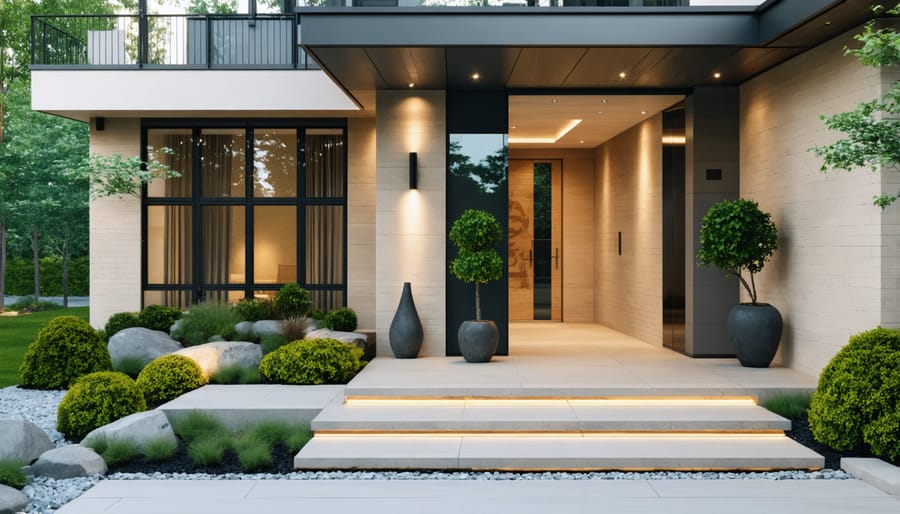
Gone are the days when accessible entrances meant clinical-looking ramps or utilitarian solutions. Modern zero-step entries showcase how accessible design principles can create stunning, seamless transitions that enhance your property’s curb appeal while working beautifully for everyone.
By gradually sloping the landscape or incorporating wide, gentle walkways, you can create an entrance that naturally flows from outdoor to indoor spaces. Consider using decorative pavers or stamped concrete to add visual interest while maintaining a level surface. Strategic lighting along the path not only adds ambiance but also improves safety for all users.
For existing homes, creative solutions like raised flower beds or terraced approaches can disguise the gradual elevation change needed to achieve a zero-step entry. Smart technology integration, such as motion-activated lighting and weather-resistant door sensors, can further enhance the functionality of these welcoming entrances.
The key is thinking beyond accessibility to create an entrance that’s simply better by design – one that works equally well for parents with strollers, delivery services, or anyone carrying groceries.
Open Floor Plans That Flow
Open floor plans are a cornerstone of universal design, creating seamless spaces that work for everyone, regardless of ability or age. By removing unnecessary walls and barriers, these layouts allow for easy navigation and promote natural flow throughout the home. The key is to create wide pathways – ideally 36 inches or more – that accommodate wheelchairs while also making everyday activities more convenient for all residents.
Consider incorporating multifunctional spaces that blur the lines between kitchen, dining, and living areas. This approach not only maximizes square footage but also enables better supervision and communication between family members. Strategic furniture placement can define different zones while maintaining openness, using elements like kitchen islands, area rugs, or low-profile bookcases as subtle space dividers.
To enhance accessibility further, ensure smooth transitions between different flooring materials and maintain consistent floor levels throughout. Good lighting is essential – combine natural light from large windows with well-planned artificial lighting to eliminate dark corners and create a bright, welcoming atmosphere. Remember, an open floor plan isn’t just about removing walls; it’s about creating an intuitive space that enhances daily living for everyone.
Smart Solutions for Every Room
Kitchen Features That Simplify Life
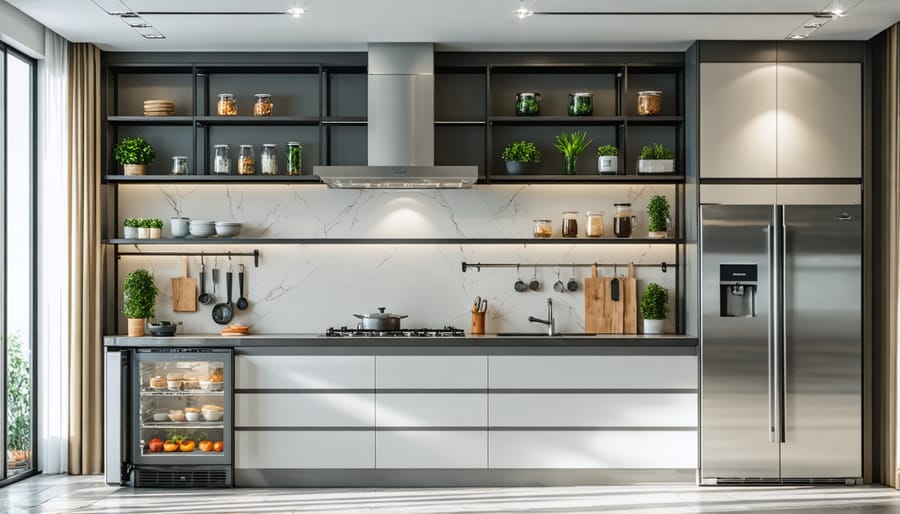
A well-designed kitchen should work for everyone, regardless of age, height, or mobility. Pull-out drawers and cabinets eliminate the need to reach deep into dark corners, while variable-height countertops accommodate both standing and seated users. Installing touch-activated faucets and lever-style handles makes operation effortless for those with limited hand strength.
Smart storage solutions like pull-down shelving units and lazy Susans bring items within easy reach. Consider incorporating a minimum 5-foot turning radius for wheelchair accessibility and choosing appliances with front-mounted controls. Side-opening ovens and drawer-style microwaves offer safer access than traditional overhead placement.
Under-cabinet lighting isn’t just stylish – it provides essential task lighting for food preparation. Choose contrasting colors for countertops and edges to help those with visual impairments navigate safely. Anti-slip flooring in attractive patterns combines safety with style.
For the tech-savvy homeowner, voice-activated lighting and smart appliances add convenience while maintaining a sleek appearance. Include multiple work zones at different heights, and ensure adequate knee clearance under sinks and cooktops. Roll-out cutting boards and prep stations can be tucked away when not in use, maintaining a clean aesthetic.
Modern universal design features like these blend seamlessly into contemporary kitchens, creating spaces that are both beautiful and functional for everyone who uses them.
Bathroom Innovations Worth Installing
Today’s bathroom innovations blend safety and luxury seamlessly, creating spaces that work for everyone while maintaining a high-end feel. Walk-in showers with zero-threshold entries eliminate tripping hazards and offer easy wheelchair access, while elegant linear drains add a modern touch. Smart toilets with built-in bidets, automatic lids, and adjustable height settings combine convenience with sophistication.
Consider installing grab bars that double as stylish towel racks, available in various finishes from brushed nickel to matte black. Motion-activated faucets not only prevent germ spread but also help those with limited hand mobility. For enhanced safety, non-slip porcelain tiles with subtle texture provide excellent traction without compromising on style.
LED motion-sensor lighting under vanities and along baseboards offers nighttime visibility while creating an upscale ambiance. Floating vanities with knee clearance accommodate wheelchair users while presenting a contemporary look. Wall-mounted storage solutions at various heights ensure accessibility for all family members.
For tech enthusiasts, smart mirrors with built-in lighting and anti-fog features can be voice-controlled, while digital shower systems allow temperature presets and voice activation. These innovations prove that universal design can elevate both functionality and aesthetic appeal, making bathrooms safer and more luxurious for everyone.
Living Spaces That Adapt
Modern homes need to evolve with their residents’ changing needs, and that’s where adaptable living spaces truly shine. By incorporating inclusive living solutions, you can create spaces that seamlessly adjust to various lifestyle requirements.
Consider installing adjustable-height countertops in your kitchen, which can be modified with simple mechanical or electronic controls. These allow everyone, whether standing or seated, to work comfortably. Multi-height work surfaces and removable base cabinets create flexibility for wheelchair access while maintaining style and functionality.
Smart storage solutions play a crucial role in adaptable spaces. Pull-down shelving systems in upper cabinets make items accessible to everyone, while pull-out drawers and lazy Susans maximize corner spaces. Open floor plans with movable furniture and temporary room dividers let you reconfigure spaces as needed.
Lighting should be adaptable too. Install dimmer switches and motion sensors for hands-free operation, and incorporate natural light through large windows with adjustable treatments. Consider remote-controlled window coverings for easy management.
Don’t forget about doorways and transitions. Pocket doors save space and provide wider clearances, while removable thresholds between rooms allow for smooth navigation. These features create a home that’s both beautiful and practical, serving everyone’s needs without compromising on style.
Tech-Smart Universal Design
Voice-Controlled Features
Voice-controlled features have revolutionized universal design in modern homes, making daily tasks more manageable for everyone, regardless of physical abilities. Smart home systems like Amazon Alexa, Google Home, and Apple HomeKit allow residents to control lighting, temperature, security systems, and appliances through simple voice commands.
These systems can be particularly beneficial for individuals with mobility challenges or visual impairments. Imagine adjusting your thermostat, dimming lights, or closing blinds without having to move from your comfortable position. Voice commands can also control door locks, intercoms, and security cameras, enhancing both accessibility and safety.
Installation is typically straightforward, with many systems offering plug-and-play solutions. Start with a central hub or smart speaker, then gradually add compatible devices like smart bulbs, thermostats, and switches. Most voice-controlled features can be customized to recognize different voices and respond to personalized commands, making them ideal for multi-generational households.
For optimal functionality, consider creating routine commands that trigger multiple actions simultaneously. For example, saying “Good morning” could automatically adjust lighting, raise blinds, and start the coffee maker. These automated sequences not only enhance convenience but also promote independence for all household members.
When selecting voice-controlled features, prioritize systems with clear voice recognition capabilities and regular software updates to ensure long-term reliability and compatibility with new devices.
Automated Solutions
Modern technology has revolutionized how we implement universal design principles in our homes. Smart home systems now offer voice-controlled lighting, thermostats, and security features that benefit everyone, regardless of ability. Motion sensors automatically illuminate pathways and rooms, while smart doorbells with video capabilities provide enhanced security and communication options for all residents.
Automated window blinds and curtains can be programmed to adjust throughout the day or controlled via smartphone apps, making it easier for everyone to manage natural light and privacy. Voice-activated home assistants help control entertainment systems, appliances, and even door locks, creating a more accessible environment for all users.
In the kitchen, touchless faucets and automatic cabinet systems provide convenience while supporting those with limited mobility or strength. Motorized adjustable countertops and storage solutions can adapt to different heights, accommodating everyone from children to seniors and wheelchair users.
Smart bathroom features like automatic toilet seats, temperature-controlled shower systems, and motion-activated lighting enhance safety and comfort. These solutions seamlessly integrate into modern home design while providing practical benefits for all users.
The beauty of these automated solutions lies in their universal appeal – they’re not just assistive devices but rather convenient features that enhance everyone’s living experience while maintaining the home’s aesthetic appeal.
DIY Universal Design Updates
Weekend Projects
Transform your home’s accessibility this weekend with these quick, budget-friendly projects that embrace universal design principles. Start by replacing traditional doorknobs with lever-style handles, which are easier for everyone to operate, regardless of grip strength. Install motion-sensor lights in hallways and bathrooms for enhanced safety and convenience.
Add non-slip strips to your stairs and shower floor – a simple 30-minute project that dramatically improves safety. Replace traditional light switches with rocker-style switches, which are more user-friendly and add a modern touch to your space. Consider installing a handheld showerhead with an adjustable height bar, perfect for users of all abilities and preferences.
Create better visibility by adding contrasting color strips at step edges and upgrading to higher contrast switch plates around your home. Install pull-out shelves in lower cabinets to improve access to kitchen storage. For entryways, add removable ramps over small steps or thresholds – they’re portable and can be stored when not needed.
Don’t forget your outdoor spaces. Install solar-powered path lights to illuminate walkways, and replace traditional gate latches with easy-grip handles. These weekend projects not only enhance accessibility but also add value to your home while creating a more comfortable living environment for everyone.
Smart Furniture Choices
Choosing the right furniture is crucial for creating an accessible space that works for everyone. Start with adjustable pieces that can accommodate different heights and mobility needs, such as electric-lift chairs and height-adjustable tables. These adaptable elements contribute to both wellness-focused home design and practical functionality.
Look for sofas and chairs with firm seats and sturdy armrests that make it easier to sit down and stand up. Opt for rounded corners on tables and furniture pieces to prevent injury, and ensure there’s adequate clearance space around each item. Consider modular furniture that can be rearranged to create different configurations as needs change.
Storage solutions should be within reach for everyone, so install pull-down shelving units and drawer systems with easy-grip handles. For dining areas, choose tables with C-shaped or pedestal bases that accommodate wheelchairs without obstruction. Select chairs with washable fabrics and consider adding casters to heavier pieces for easy movement.
When selecting furniture, prioritize pieces that combine style with accessibility features. Many manufacturers now offer elegant universal design options that blend seamlessly with contemporary décor. Remember to maintain clear pathways between furniture pieces, typically allowing at least 32 inches of passage width for wheelchair access.
Universal design in architecture is more than just a trend – it’s a transformative approach that creates spaces everyone can enjoy, regardless of age, ability, or circumstance. By incorporating these inclusive design principles, we create environments that are not only more accessible but also more valuable, sustainable, and adaptable to changing needs. The beauty of universal design lies in its seamless integration with aesthetics, proving that functionality and style can coexist harmoniously. As our population becomes more diverse and our lifespans increase, implementing universal design principles isn’t just smart – it’s essential for future-proofing our built environment. Whether you’re planning a renovation, building a new home, or upgrading a commercial space, consider universal design as your pathway to creating spaces that welcome and work for everyone.