Fix These Paint Job Mistakes Before They Cost You More (Sustainable Edition)
A botched interior paint job doesn’t just hurt your home’s aesthetics – it can slash your property value and create lasting damage that’s costly to fix. Spot telltale signs of poor workmanship: uneven coverage leaving darker and lighter patches, visible roller marks creating unsightly textures, and paint drips that hardened in place. These issues often stem from rushed preparation, low-quality materials, or improper application techniques. Making the switch to earth-friendly wall paint and proper techniques not only fixes these problems but also ensures a healthier indoor environment. Whether you’re assessing a contractor’s work or planning to repaint, understanding these warning signs helps you maintain professional standards and protect your investment. The good news? Most paint disasters are fixable with the right approach and materials – it’s about knowing what to look for and how to address it systematically.
Common Signs of a Bad Interior Paint Job
Visual Red Flags
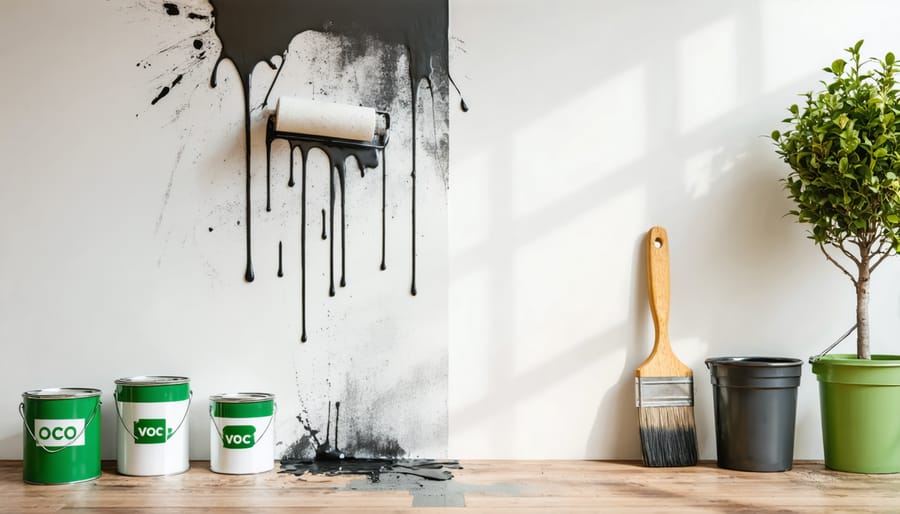
A poor interior paint job often leaves telltale signs that are hard to miss. The most common visual red flag is paint drips, which appear as hardened streaks or bumps along walls and trim. These occur when too much paint is applied and left to dry without proper smoothing. Uneven coverage shows up as patchy areas where the previous color or primer peeks through, creating a spotty, unprofessional appearance.
Brush marks and roller tracks are another clear indicator of subpar workmanship. These appear as visible lines or patterns that should have been smoothed out during application. Watch for rough textures or stippling where there should be smooth surfaces, especially on walls and ceilings.
Color inconsistencies between walls or within the same wall section can signal poor mixing or different paint batches. Additionally, look for paint on surfaces where it doesn’t belong, like ceiling edges, trim, or hardware – this shows a lack of proper masking and attention to detail.
Bubbling, cracking, or peeling paint indicates either poor surface preparation or incompatible paint types. These issues not only look unsightly but can lead to bigger problems if left unaddressed.

Structural Concerns
A bad paint job can reveal or even cause serious structural issues that go beyond mere aesthetics. When paint isn’t properly applied, it can fail to protect your walls from moisture, leading to water damage and mold growth beneath the surface. Look for bubbling or peeling paint, as these often indicate trapped moisture that could be compromising your wall’s integrity.
Poor surface preparation before painting can mask underlying drywall problems or structural cracks that need addressing. If you notice uneven textures or rippling in your painted walls, this might signal that previous damage was simply painted over rather than properly repaired.
Another concern is inadequate primer application, especially on new drywall or patches. Without proper priming, paint may not adhere correctly, leading to premature wear and potential damage to the wall material. In bathrooms and kitchens, improper paint selection can result in walls that aren’t adequately protected against steam and moisture, potentially leading to deterioration of both the paint and the wall structure.
Regular inspection of your painted surfaces can help identify these issues early, preventing more serious structural problems from developing.
Eco-Friendly Solutions for Common Paint Problems
Low-VOC Touch-Up Techniques
For environmentally conscious touch-ups, opt for low-VOC (Volatile Organic Compounds) or zero-VOC paints that minimize harmful emissions while delivering excellent coverage. Keep a small container of your original paint properly sealed and labeled for future touch-ups. Before starting repairs, clean the area thoroughly with a mild, eco-friendly cleaner and let it dry completely.
When touching up small areas, use a mini foam roller or small brush specifically designed for detail work. Apply thin layers rather than one thick coat to match the existing texture. For precise application on tiny spots, try using a clean cotton swab or artist’s brush dipped in low-VOC paint.
If you’re dealing with slightly larger areas, feather the edges of your touch-up work by gradually lightening the pressure as you paint outward. This helps blend the new paint with the existing finish. For the most environmentally friendly approach, consider using natural paint products made from milk protein, clay, or plant-based materials.
Remember to ventilate the area well during and after touch-ups, even when using low-VOC products. Store any leftover touch-up paint in an airtight container in a temperature-controlled environment for future use.
Natural Surface Preparation
When preparing surfaces for a new paint job, you don’t need harsh chemicals to achieve professional results. Many sustainable surface preparation techniques are just as effective and better for your health and the environment. Start with a simple solution of white vinegar and water to remove dirt and grime. For stubborn areas, try mixing baking soda with water to create a gentle abrasive paste. Citrus-based cleaners work wonderfully for degreasing surfaces naturally, while plain warm water and a microfiber cloth can effectively remove dust and cobwebs.
For sanding, opt for reusable sanding blocks or papers made from recycled materials. Don’t forget to ventilate your space well during prep work, and collect dust using damp cloths rather than chemical-based tack cloths. To patch small holes and cracks, look for natural spackle compounds made from minerals and plant-based materials. These eco-friendly alternatives not only protect your indoor air quality but also provide excellent results for your paint job.
Sustainable Paint Selection
When fixing a bad paint job, choosing sustainable materials isn’t just good for the planet—it’s better for your indoor air quality too. Today’s eco-friendly paint options offer excellent coverage and durability while containing fewer volatile organic compounds (VOCs) and harmful chemicals.
Look for paints labeled as zero-VOC or low-VOC, which release fewer toxic fumes during and after application. Many natural paint brands use ingredients like clay, milk protein, and plant-based materials instead of synthetic chemicals. These environmentally conscious choices often provide better breathability for your walls and reduce the risk of paint-related health issues.
For touch-ups and repairs, consider using leftover paint from your original project—this reduces waste and ensures color matching. If buying new paint, choose brands that offer recycling programs for empty containers and prioritize water-based formulas over oil-based ones. Remember that sustainable paints might cost slightly more upfront, but the long-term benefits to your health and the environment make them a smart investment.
Prevention Tips for Future Paint Projects
Proper Tools and Materials
When it comes to achieving a flawless paint job while staying environmentally conscious, selecting the right tools and materials is crucial. Start with low-VOC or zero-VOC paints, which release fewer harmful chemicals into the air while providing excellent coverage. These eco-friendly options now come in a wide range of colors and finishes, matching traditional paint quality.
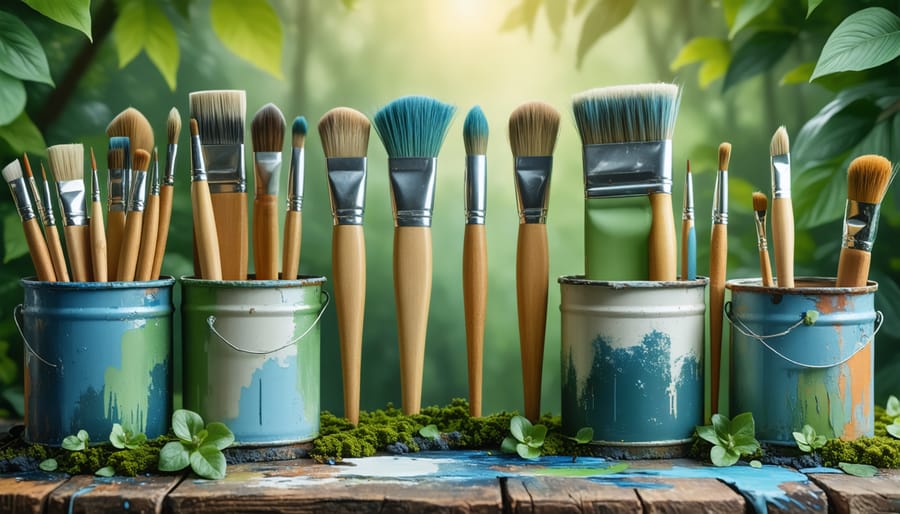
For application, invest in high-quality bamboo-handled brushes and rollers made from recycled materials. Natural-fiber brushes work exceptionally well with eco-friendly paints and can be cleaned and reused multiple times. Choose microfiber roller covers for smooth surfaces and natural wool covers for textured walls.
Essential eco-friendly prep materials include biodegradable drop cloths, recyclable painter’s tape, and natural cleaning solutions for surface preparation. Consider using milk-based paint strippers instead of chemical alternatives when removing old paint.
Don’t forget proper safety equipment: organic vapor respirators, biodegradable gloves, and protective eyewear made from sustainable materials. A good-quality sanding block with recycled paper will help smooth surfaces without creating excessive waste.
For cleanup, keep environmentally friendly soap and water handy, along with reusable rags made from organic cotton. Store your eco-friendly tools properly in a clean, dry space to extend their life and reduce waste. Remember, investing in quality sustainable tools might cost more initially but pays off in durability and environmental impact.
Environmental Considerations
Environmental conditions play a crucial role in achieving a flawless paint finish. Temperature should ideally be between 50-85°F (10-29°C) during painting and curing. When it’s too cold, paint becomes thick and doesn’t flow smoothly, leading to visible brush marks and uneven coverage. Conversely, excessive heat can cause paint to dry too quickly, resulting in lap marks and poor adhesion.
Humidity is equally important – aim for relative humidity levels between 40-50%. High humidity prevents proper drying and can cause paint to bubble or blister, while very low humidity makes paint dry too fast, potentially causing cracking and peeling. Always check weather forecasts before starting your project and plan accordingly.
Proper ventilation is non-negotiable for both safety and paint quality. Open windows and use fans to create cross-ventilation, but be careful not to direct fans directly at wet paint surfaces. This helps remove paint fumes and ensures even drying. Poor ventilation can trap moisture, leading to extended drying times and potential surface defects.
Consider using low-VOC or zero-VOC paints, which are less affected by environmental conditions and safer for indoor air quality. These modern formulations often have better tolerance for varying conditions while maintaining excellent coverage and durability. Remember to keep the room at a consistent temperature and humidity level for at least 24 hours after painting for optimal results.
A well-executed interior paint job isn’t just about aesthetics – it’s about creating a healthier living environment and minimizing our environmental impact. By identifying common painting problems early and addressing them with sustainable solutions, we can protect our investment while being mindful of our planet.
Throughout this guide, we’ve explored the telltale signs of poor paint application, from uneven coverage and drip marks to improper preparation and inadequate ventilation. We’ve learned that many of these issues can be prevented by choosing eco-friendly paints, proper surface preparation, and following best practices during application.
Remember that sustainable painting isn’t just about using low-VOC products – it extends to proper disposal of materials, efficient use of resources, and maintaining your painted surfaces to extend their lifespan. By adopting these environmentally conscious approaches, you’ll not only achieve better results but also contribute to a healthier indoor environment.
Moving forward, take time to plan your painting projects carefully, invest in quality sustainable materials, and don’t rush the process. If you’re unsure about tackling a project yourself, consider consulting with eco-conscious professionals who prioritize sustainable practices. With proper attention to detail and a commitment to environmental responsibility, you can achieve beautiful, lasting results that you can feel good about.