
Experience Your Dream Home Today: Virtual 3D Tours Transform Home Shopping
Step into your dream home without leaving your couch – 3D virtual home tours have revolutionized how we explore, design, and reimagine living spaces. These immersive digital experiences, powered by sophisticated 3D interior design tools, transform property viewing from a time-consuming physical task into an interactive, on-demand adventure. Walk through perfectly staged rooms, examine architectural details from every angle, and visualize furniture placement with photorealistic accuracy – all from your mobile device or computer. Whether you’re a homebuyer making confident purchase decisions, a real estate agent showcasing properties to remote clients, or a designer presenting renovation concepts, virtual tours offer unprecedented convenience and clarity. This technology eliminates geographical barriers, saves countless hours of physical showings, and provides a risk-free way to experiment with different design options before making any real-world changes.
How Virtual 3D Home Tours Actually Work
The Technology Behind Virtual Tours
The magic behind 3D virtual home tours combines sophisticated camera technology with powerful software solutions. At the heart of most virtual tours is a specialized 360-degree camera that captures every angle of a room in stunning detail. These cameras use multiple lenses to photograph spaces simultaneously, creating seamless panoramic images that form the foundation of the tour.
Once the photos are captured, specialized software stitches these images together and creates an immersive 3D environment. This process, similar to virtual staging technology, uses advanced algorithms to map the space accurately and create a navigable model. The software adds depth perception, lighting effects, and interactive hotspots that allow viewers to move through the space naturally.
The final rendering process transforms all this data into a smooth, user-friendly experience that works across various devices and platforms. Modern virtual tours can include additional features like measurement tools, room labels, and even the ability to change wall colors or furniture placement, making them invaluable tools for homeowners and designers alike.

Accessing and Navigating Virtual Tours
Navigating a 3D virtual home tour is surprisingly straightforward, even if you’re new to the technology. Most tours start with a simple click to enter, after which you’ll see a detailed, immersive view of the space. Use your mouse or touchscreen to look around – clicking and dragging lets you rotate your view 360 degrees, while scrolling typically zooms in and out.
To move through the space, look for circular hotspots on the floor, which serve as navigation points. Clicking these spots transports you to different areas of the home. Many tours also include a dollhouse view or floor plan overlay, allowing you to jump directly to specific rooms or areas that interest you.
Additional features often include measurement tools, which help you check room dimensions, and information tags that highlight special features or materials. Some advanced tours offer virtual staging options, letting you visualize different furniture arrangements or color schemes. For the best experience, use an updated web browser and a stable internet connection – this ensures smooth navigation and crystal-clear imagery throughout your virtual walkthrough.
Benefits for Home Shoppers

Shop Smarter, Not Harder
Gone are the days of spending entire weekends driving from store to store, trying to visualize how furniture might look in your space. With 3D virtual home tours, you can explore multiple furniture layouts and design options from the comfort of your couch. This smart shopping approach saves not just time, but also prevents costly mistakes and buyer’s remorse.
Virtual tours allow you to “try before you buy” in ways traditional shopping never could. Want to see how that sectional sofa fits in your living room? Or how different paint colors might transform your bedroom? Simply upload your room dimensions and start experimenting. You can even check if furniture pieces will fit through doorways and around corners before making a purchase.
The technology also makes it easier to compare prices and styles across different retailers simultaneously. Instead of relying on memory or photos to compare items from different stores, you can create side-by-side comparisons in your virtual space. This feature is particularly valuable when coordinating colors, patterns, and styles across multiple pieces.
For those working with interior designers or contractors, virtual tours streamline the consultation process. Share your virtual space with professionals to get precise recommendations and quotes, eliminating miscommunication and ensuring everyone is literally on the same page when it comes to your vision.
Visualize Your Space
One of the most powerful features of 3D virtual home tours is their ability to transform how you plan and visualize your space. Instead of relying on imagination alone, these tours let you see exactly how different furniture pieces and design elements will work together in your room. Much like augmented reality for interior design, virtual tours provide an immersive way to experiment with layouts and styles before making any purchases.
Want to know if that sectional sofa will overwhelm your living room? Or whether your dining table leaves enough space for comfortable movement? Virtual tours let you test different furniture arrangements and instantly see how they affect traffic flow and room functionality. You can even experiment with various color schemes, wall treatments, and decor items to create the perfect ambiance.
These tours are particularly helpful when working with challenging spaces or unusual room configurations. By viewing your space from multiple angles and heights, you can identify potential problem areas and find creative solutions before committing to any changes. This technology also makes it easier to share your vision with family members or design professionals, ensuring everyone is on the same page about the planned modifications.
For renovation projects, virtual tours help you visualize structural changes and their impact on the overall space. You can see how removing a wall might affect natural light or how adding built-in storage could maximize unused corners.
Making the Most of Virtual Home Tours
Taking Measurements and Notes
When exploring a virtual home tour, taking accurate measurements and detailed notes is crucial for making informed decisions. Keep a digital notepad or spreadsheet open while navigating the space, and record room dimensions, window sizes, and ceiling heights. Pay special attention to doorways, hallways, and any unique architectural features that might impact your furniture placement or design choices.
Use the virtual tour’s measurement tools to document wall lengths and distances between key points. Most platforms offer built-in measuring features that let you click between points to get precise dimensions. Create a rough floor plan as you go, marking power outlets, vents, and fixed elements like radiators or built-in shelving.
Don’t forget to note natural light patterns and directions – many virtual tours include different times of day, helping you understand how sunlight moves through the space. Take screenshots of specific angles or features you want to reference later, and organize them in a dedicated folder with clear labels.
Make detailed notes about finishes and materials you observe: flooring types, wall textures, trim styles, and cabinet materials. These details will be invaluable when planning renovations or selecting complementary furnishings. If the tour includes measurement overlay features, save or export these measurements directly to your device.
Consider creating a checklist before starting the tour to ensure you gather all necessary information. Include sections for measurements, design elements, potential challenges, and ideas for improvements. This systematic approach helps you maximize the virtual tour experience and collect all the data you need for your project planning.
Creating Your Design Plan
Creating a design plan using a 3D virtual home tour is like having a digital playground for your interior design ideas. Start by taking a complete walkthrough of your space, paying attention to room dimensions and natural light patterns throughout the day. Use the measuring tools within the virtual tour to note exact distances between walls, windows, and doorways.
Most virtual tour platforms offer a furniture placement feature that lets you experiment with different layouts. Drag and drop various pieces to see how they fit and flow in the space. This is particularly helpful for determining if that sectional sofa you’ve been eyeing will actually work in your living room.
Take advantage of the screenshot function to capture different layout options. Create a digital mood board by saving these screenshots along with your favorite furniture pieces and decor items. This visual reference will help you make more confident purchasing decisions and avoid costly mistakes.
Don’t forget to consider traffic flow patterns. Use the virtual tour’s path tracking feature to simulate how people will move through the space. Pay special attention to high-traffic areas like entryways and transitions between rooms. Mark these paths in your plan to ensure furniture placement doesn’t obstruct natural movement.
For maximum efficiency, create a room-by-room checklist of furniture and decor needs. As you explore different arrangements in the virtual tour, update your list with specific measurements and placement notes. This systematic approach helps you stay organized and ensures no detail is overlooked in your design plan.
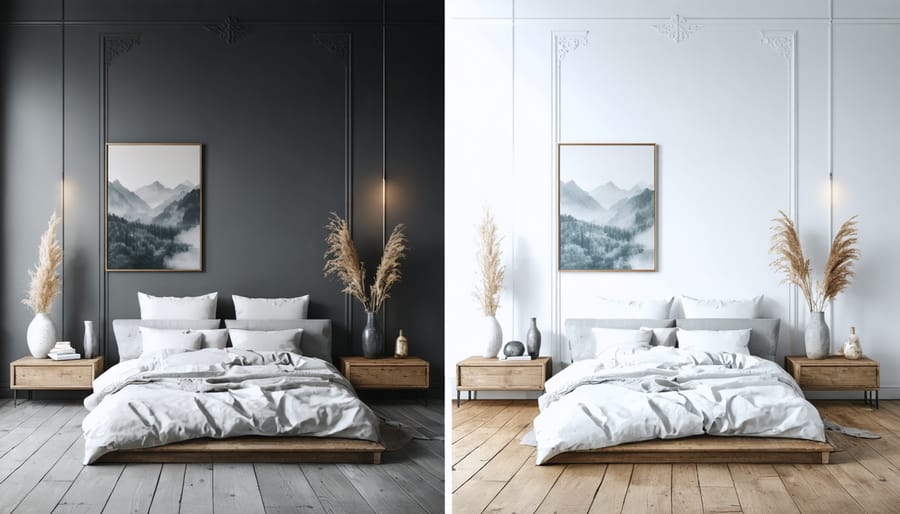
Virtual Tours vs. Traditional Showroom Visits
When to Use Virtual Tours
Virtual tours are particularly valuable in several key scenarios, making them an essential tool in today’s digital-first world. When you’re selling a property, virtual tours can help you reach a wider audience and save time by pre-qualifying potential buyers. They’re especially useful for out-of-state or international buyers who can’t easily visit the property in person.
For real estate agents managing multiple listings, virtual tours allow you to showcase properties 24/7 without being physically present. This means you can continue generating interest even outside business hours and during weekends.
Property owners planning renovations can use virtual tours to visualize different design options before committing to changes. This technology is particularly helpful when working with interior designers remotely or comparing multiple layout possibilities.
Virtual tours are also invaluable during peak seasons when physical showings might be challenging to schedule. They’re perfect for rental properties, allowing potential tenants to view spaces without disrupting current residents.
Additionally, these tours prove essential during circumstances that limit in-person visits, such as bad weather or health concerns. They’re also great for documenting a property’s condition before and after renovations or tenant occupancy.
For commercial properties, virtual tours help businesses showcase their spaces to potential clients or partners, especially useful for event venues and retail locations considering new layouts or designs.
When to Visit In Person
While virtual tours are incredibly useful, certain situations warrant an in-person visit to truly make the best decision for your space. When you’re making significant structural changes or need to assess specific material qualities, physical visits become essential. For example, if you’re planning to knock down walls or modify load-bearing structures, having a contractor evaluate the space firsthand is crucial.
Color and texture verification is another compelling reason for in-person visits. While virtual tours have improved dramatically, screens can’t always accurately represent subtle variations in paint colors, fabric textures, or material finishes. This is particularly important when matching existing elements in your home or selecting high-end materials.
Consider visiting in person when dealing with complex spatial relationships or unique architectural features. Some aspects of a space, like ceiling height impact, natural light patterns throughout the day, or acoustic properties, are best experienced physically. Additionally, if you’re planning extensive renovations or custom installations, taking precise measurements and understanding the existing infrastructure becomes vital.
Properties with potential issues or those requiring significant investment should also warrant a physical visit. While virtual tours are excellent for initial screenings, they might not reveal subtle signs of wear, maintenance needs, or structural concerns that could impact your decision-making process.
The impact of 3D virtual home tours on design planning has revolutionized how we approach home improvements and interior design. This technology has transformed from a convenient tool into an essential part of the modern design process, enabling homeowners and professionals alike to make more informed decisions with greater confidence.
Looking ahead, we can expect virtual tours to become even more sophisticated, with improved integration of augmented reality and artificial intelligence. These advances will make it possible to instantly visualize different design options, experiment with various furniture arrangements, and even simulate natural lighting conditions throughout the day.
The accessibility of virtual tour technology has democratized design planning, allowing homeowners to take greater control of their renovation projects while still collaborating effectively with professionals. This shift has led to more efficient project planning, reduced costly mistakes, and better outcomes for both residential and commercial spaces.
As we move forward, the combination of virtual tours with other emerging technologies will continue to reshape how we approach home design. From smart home integration to sustainable design planning, virtual tours will play an increasingly central role in creating spaces that are both beautiful and functional.
For anyone planning a home improvement project or considering a design update, embracing virtual tour technology isn’t just about staying current – it’s about making smarter, more confident decisions while saving time and resources in the process.