Beautiful Outdoor Furniture That Fights Waste (A Circular Economy Solution)
Transform your outdoor living space with circular furniture that embodies both sustainability and style. Today’s eco-conscious designs embrace circular economy principles in furniture, creating versatile pieces that reduce environmental impact while maximizing functionality. Round tables, curved sofas, and circular loungers not only create natural gathering spaces but also promote better traffic flow and social interaction in outdoor settings.
Modern circular outdoor furniture combines weather-resistant materials like recycled plastics, sustainably harvested wood, and repurposed metals with innovative design approaches that ensure longevity and adaptability. These pieces often feature modular components that can be easily repaired, replaced, or reconfigured, extending their lifecycle and reducing waste.
From intimate garden nooks to expansive patio layouts, circular furniture arrangements create inviting spaces that encourage conversation and connection. The organic shapes complement natural landscapes while providing practical solutions for various outdoor activities, from casual dining to sophisticated entertainment settings. This harmonious blend of form and function represents the future of sustainable outdoor living, where design meets environmental responsibility.
What Makes Outdoor Furniture ‘Circular’?
Materials That Keep Giving
The sustainable revolution in outdoor furniture embraces eco-friendly furniture materials that are both durable and environmentally responsible. Recycled plastic lumber leads the charge, transforming ocean-bound plastic into weather-resistant chairs and tables that can withstand years of outdoor use. Bamboo, nature’s renewable champion, grows rapidly and creates stunning furniture pieces that combine strength with sustainability.
Reclaimed teak and sustainably harvested acacia wood offer classic appeal while giving new life to existing materials. These woods naturally resist decay and insects, making them perfect for outdoor settings. Aluminum, one of the most recyclable metals, features prominently in modern outdoor furniture designs, offering lightweight durability and endless recycling potential.
Cork is emerging as an innovative material choice, providing water-resistant properties and natural antimicrobial benefits. Even better, it’s harvested without harming trees. These materials don’t just create beautiful outdoor spaces – they represent a commitment to environmental stewardship while ensuring your furniture stands the test of time.
Design for Disassembly
Design for disassembly is a game-changing approach in outdoor furniture that makes sustainability practical and convenient. By creating pieces with modular components that can be easily taken apart, manufacturers are revolutionizing how we maintain and update our outdoor spaces.
Think of it like building blocks for grown-ups – each part of your furniture can be individually removed, repaired, or replaced without having to discard the entire piece. For instance, if a chair cushion wears out or a table leg becomes damaged, you can simply order and replace that specific component rather than buying entirely new furniture.
This modular approach extends to the materials used, with pieces typically secured using reversible connections like screws and clips instead of permanent adhesives. When your furniture eventually reaches the end of its life, these easy-to-separate components can be sorted by material type – metals, plastics, fabrics – making recycling straightforward and efficient.
For the environmentally conscious homeowner, this design philosophy means longer-lasting furniture and significantly less waste. It’s a smart investment that benefits both your wallet and the planet.

Top Circular Outdoor Furniture Options
Seating Solutions
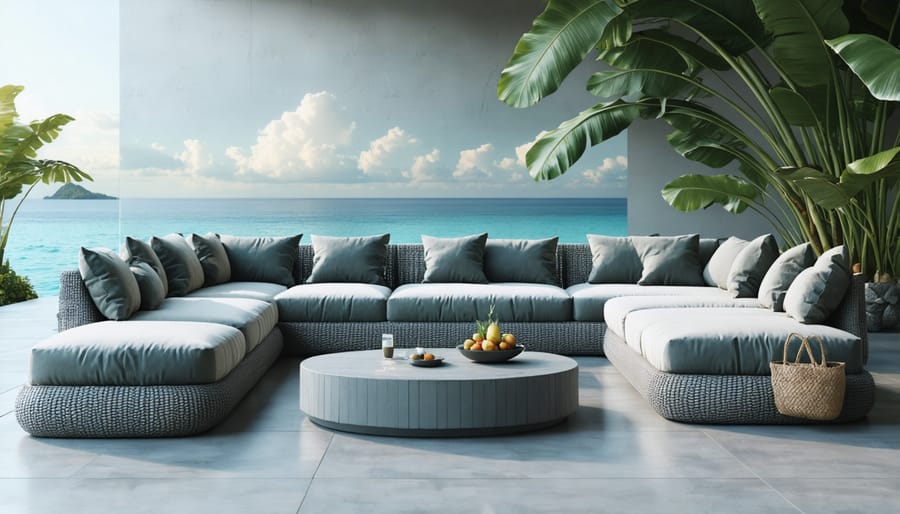
When it comes to creating sustainable outdoor living spaces, circular seating options offer both style and eco-consciousness. Modern circular chairs often feature recycled materials like reclaimed teak or repurposed marine-grade plastic, ensuring durability while reducing environmental impact. Popular choices include the egg-shaped pendant chairs made from recycled polyester ropes and modular outdoor sofas with easily replaceable parts.
Circular benches are making waves in outdoor design, with innovative pieces like the convertible round daybed that transforms into separate seating arrangements. These versatile pieces often incorporate weather-resistant materials that can be fully recycled at the end of their life cycle. Look for options with removable, washable covers that extend the furniture’s lifespan.
For those interested in DIY solutions, upcycled materials like wooden cable spools make excellent circular coffee tables or ottomans. Simply sand, seal, and add cushioning for instant outdoor seating. Many manufacturers now offer repair kits and replacement parts, supporting the circular economy by extending product life rather than encouraging replacement.
Smart design features like modular components and weather-resistant materials ensure these pieces can adapt to changing needs while maintaining their aesthetic appeal. When selecting circular seating, prioritize pieces with warranties that include repair services and those made by companies with clear end-of-life recycling programs.
Tables and Surfaces
Circular tables and surfaces form the cornerstone of outdoor entertaining spaces, offering both functionality and aesthetic appeal. Round dining tables, ranging from intimate 4-seater designs to grand 12-seater options, create a more social dining experience by allowing face-to-face interaction among all guests. The absence of corners also makes these tables safer for families with young children and helps maximize flow in tight spaces.
Popular materials for outdoor circular tables include weather-resistant teak, powder-coated aluminum, and tempered glass. Many modern designs feature built-in lazy Susans or umbrella holes for added convenience. Side tables and accent surfaces in circular shapes complement the main dining area while providing practical spots for drinks, plants, or decorative elements.
For those working with limited space, consider nesting tables that can be tucked away when not in use, or convertible designs that adjust in size. Bistro-style circular tables are perfect for balconies or intimate garden nooks, while larger pedestal tables make excellent focal points for spacious patios.
When selecting circular surfaces, consider the surrounding environment and existing furniture. A glass-topped table reflects light and creates an airy feel, while solid wood adds warmth and natural texture. For maximum durability, look for tables with UV-resistant finishes and water-repellent treatments that will maintain their appearance through various weather conditions.
Maintaining Your Circular Outdoor Furniture
Care and Repair
To ensure your outdoor circular furniture maintains its beauty and functionality, regular maintenance is essential. Start by cleaning your pieces monthly with a gentle soap solution and soft brush, paying special attention to crevices where dirt can accumulate. After cleaning, allow furniture to dry completely before covering or storing.
For wooden pieces, apply a protective sealant annually to guard against moisture and UV damage. Metal furniture benefits from periodic rust-prevention treatments, while plastic items should be cleaned with specialized cleaners to prevent degradation from sun exposure.
Store furniture indoors during harsh weather conditions when possible. If outdoor storage is necessary, invest in high-quality, breathable furniture covers to protect against rain and debris. For quick repairs, keep a maintenance kit handy with items like touch-up paint, wood filler, and replacement hardware.
Address any damage promptly to prevent further deterioration. Tighten loose screws regularly, sand rough spots on wooden surfaces, and touch up scratches immediately. For sustainable care, use eco-friendly cleaning products and consider upcycling worn pieces rather than replacing them entirely.
End-of-Life Options
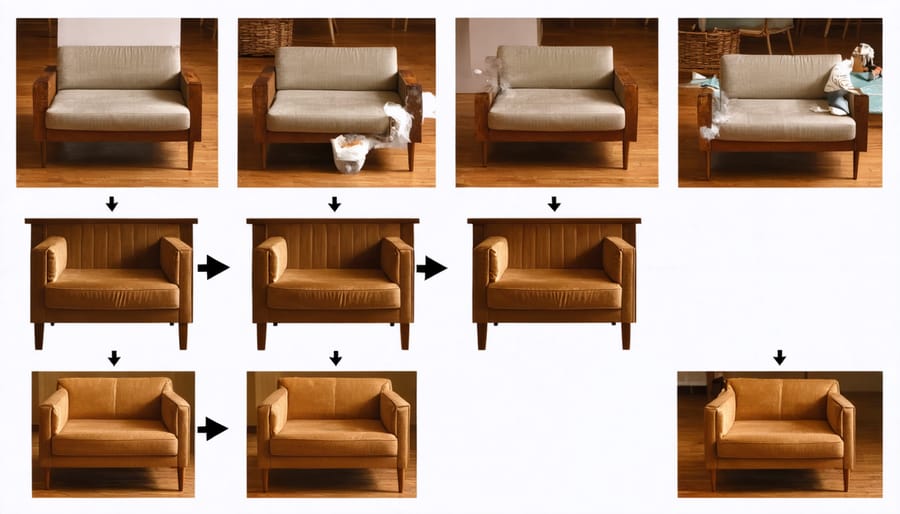
When your outdoor circular furniture reaches the end of its lifecycle, several environmentally responsible options exist. Consider donating gently used pieces to local charities, community centers, or schools where they can continue serving others. If you’re creative, you can repurpose furniture pieces into unique garden features, like turning chairs into planters or tables into decorative stands.
For items that can’t be salvaged, proper recycling is crucial. Metal furniture can typically be recycled at local scrap yards, while wooden pieces can be broken down for composting or wood recycling facilities. Many manufacturers now offer take-back programs, allowing you to return old furniture for responsible disposal or recycling.
Before disposal, check if any components can be saved as spare parts for other furniture pieces. Hardware, cushion filling, and weather-resistant fabrics often have alternative uses. Some communities also host furniture recycling events where experts can help determine the most sustainable disposal method for your specific pieces.
Making the Switch: Tips for Homeowners
Assessment and Planning
Before investing in new outdoor circular furniture, take time to assess your current setup and create a thoughtful replacement plan. Start by evaluating your existing furniture’s condition, noting pieces that are worn, damaged, or near the end of their lifecycle. Consider which items could be repaired or upcycled rather than replaced immediately.
Create an inventory list of your outdoor furniture, including materials, age, and current condition. This helps identify priorities for replacement and ensures new purchases align with circular economy principles. Look for pieces made from sustainable or recycled materials that can be easily repaired or recycled in the future.
When planning replacements, consider your space’s specific needs and environmental factors. Measure your outdoor area carefully and note exposure to sun, rain, and other weather elements. This information will help you choose appropriate materials and designs that maximize longevity and minimize environmental impact.
Set a realistic timeline for replacing pieces gradually, focusing first on items that are unsafe or unusable. Research manufacturers who offer take-back programs or furniture-as-a-service options. These programs ensure your old furniture will be properly recycled or refurbished instead of ending up in landfills.
Remember to factor in maintenance requirements and storage solutions when planning. Choose pieces that can be easily cleaned, repaired, and stored during harsh weather conditions to extend their lifespan and maintain their value in the circular economy.
Where to Find Circular Furniture
Circular outdoor furniture is widely available through various retail channels, making it easier than ever to find sustainable pieces for your outdoor space. Major home improvement retailers like Home Depot and Lowe’s offer extensive collections of circular furniture, particularly during the spring and summer seasons. These stores often feature both budget-friendly and premium options.
For those seeking unique or artisanal pieces, specialty outdoor furniture retailers like Arhaus, Crate & Barrel, and Design Within Reach curate impressive selections of circular furniture with sustainable materials and innovative designs. Online marketplaces such as Wayfair and Overstock provide extensive options with detailed product descriptions and customer reviews to help inform your decision.
Local furniture boutiques and garden centers frequently stock circular outdoor furniture, often featuring pieces from regional craftspeople and manufacturers. These venues can be excellent sources for finding distinctive items while supporting local businesses.
For budget-conscious shoppers, consider checking secondhand marketplaces like Facebook Marketplace or local consignment stores. These platforms often feature gently used circular furniture at significant discounts. Additionally, many sustainable furniture manufacturers now sell directly to consumers through their websites, offering competitive prices and detailed information about their circular economy practices.
Remember to compare prices across different retailers and watch for seasonal sales, particularly during end-of-season clearances in late summer and early fall.
Circular outdoor furniture represents more than just a stylish choice for your outdoor spaces – it’s a commitment to sustainable living and environmental responsibility. By choosing pieces designed with circular economy principles in mind, you’re investing in furniture that can be repaired, recycled, or repurposed, reducing waste and protecting our planet’s resources.
The benefits of circular outdoor furniture extend beyond environmental impact. These pieces often offer superior durability, weather resistance, and timeless appeal that traditional furniture may lack. The modular nature of many circular designs means you can easily update or reconfigure your outdoor setup as your needs change, making them a smart long-term investment for your home.
When shopping for outdoor furniture, consider materials like recycled plastics, sustainably sourced wood, or reclaimed metals. Look for manufacturers who offer repair services, replacement parts, and take-back programs. These features ensure your furniture remains useful for years to come while minimizing its environmental footprint.
Remember that sustainable choices don’t mean compromising on style or comfort. Today’s circular furniture designs combine eco-friendly materials with contemporary aesthetics and ergonomic features. By choosing circular outdoor furniture, you’re not just creating a beautiful outdoor space – you’re contributing to a more sustainable future for generations to come.
Make your next outdoor furniture purchase count by prioritizing circular design principles and sustainable materials. Your outdoor space will thank you, and so will the planet.