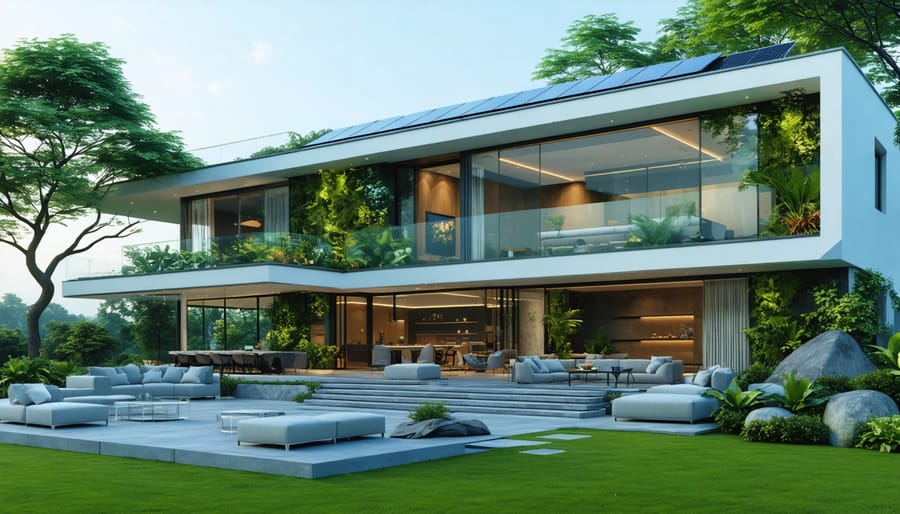
Smart Meets Sustainable: Your Dream Eco Home Without Sacrificing Modern Comfort
Transform your living space into an eco-conscious sanctuary by integrating smart home solutions with sustainable design principles. Modern eco-friendly home design transcends basic energy efficiency, combining cutting-edge technology with environmentally responsible materials to create homes that actively reduce their carbon footprint while enhancing comfort and functionality.
Today’s sustainable home designs leverage passive solar orientation, innovative recycled materials, and advanced automation systems to slash energy consumption by up to 70% compared to traditional homes. From living walls that purify indoor air to integrated rainwater harvesting systems, these architectural innovations prove that environmental responsibility doesn’t mean sacrificing style or modern conveniences.
Whether you’re planning a new build or renovating an existing space, implementing eco-friendly design strategies can dramatically reduce your environmental impact while providing significant long-term cost savings. This comprehensive guide explores the latest sustainable building techniques, smart technology integration, and biophilic design elements that create homes that are not just environmentally conscious, but also healthier, more efficient, and truly future-proof.
Energy-Efficient Design Elements That Work With Smart Technology
Passive Solar Design with Smart Climate Control
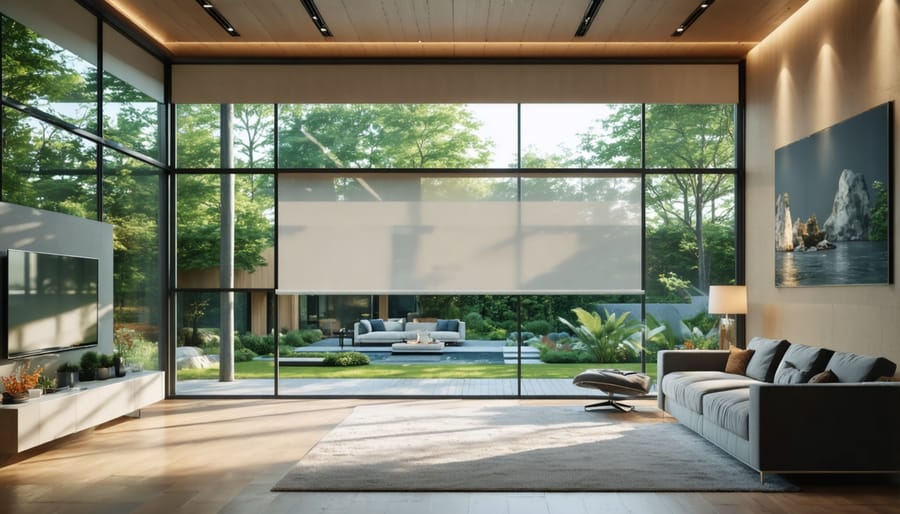
Combining passive solar design with smart climate control creates a powerful synergy for energy-efficient homes. Start by positioning your home to maximize natural sunlight, with large south-facing windows in colder climates and appropriate overhangs for summer shade. These windows should feature smart automated blinds that adjust throughout the day based on sunlight and temperature readings.
Modern smart HVAC systems can work seamlessly with passive solar elements through strategically placed sensors. These monitors track indoor temperature variations created by solar gain and automatically adjust heating or cooling needs accordingly. Install smart thermostats in different zones of your home to fine-tune the temperature room by room, ensuring optimal comfort while minimizing energy usage.
Thermal mass materials like concrete floors or stone walls store heat during sunny days and release it at night. Pair these with smart vents that can direct airflow to either distribute stored heat or facilitate cooling. Add automated ceiling fans that adjust their speed based on temperature differences between floor and ceiling levels, helping to circulate warm or cool air effectively.
For maximum efficiency, integrate a home automation system that coordinates all these elements. It can open windows for natural ventilation when conditions are right, adjust mechanical ventilation based on indoor air quality, and even predict heating and cooling needs based on weather forecasts. This smart oversight ensures your passive solar design works in perfect harmony with active climate control systems.
Smart Windows and Natural Lighting Solutions
Smart windows and natural lighting solutions represent the perfect marriage of energy efficiency and modern technology in eco-friendly home design. By incorporating smart glass technology, these windows can automatically adjust their tint based on sunlight intensity and indoor temperature needs, eliminating the need for traditional blinds or curtains.
The key to maximizing natural light lies in strategic window placement. South-facing windows capture optimal sunlight during winter months, while properly positioned overhangs prevent excessive heat gain in summer. Consider installing low-E glass windows, which reflect heat while allowing natural light to penetrate, reducing both heating and cooling costs.
Automated lighting control systems work in harmony with smart windows to maintain optimal indoor lighting levels. Motion sensors and daylight harvesting technology automatically adjust artificial lighting based on natural light availability, ensuring you’re never using more energy than necessary. Smart shades can be programmed to rise and lower throughout the day, working with your windows to maintain comfortable indoor temperatures.
For maximum efficiency, integrate these systems with your home automation hub. This allows for seamless coordination between your windows, shades, and lighting based on time of day, weather conditions, and your personal preferences. You can even set up “scenes” that adjust all components simultaneously for different activities or times of day.
DIY tip: Start small by installing smart switches and automated blinds in your most-used rooms before expanding to a whole-house system.
Sustainable Materials and Smart Home Integration
Recycled and Renewable Materials
When it comes to smart home installations, choosing sustainable building materials for your wiring and sensor infrastructure is crucial for minimizing environmental impact. Low-toxicity cables with recycled copper cores and PVC-free insulation are excellent choices for basic wiring needs. These materials not only reduce waste but also ensure better air quality inside your home.
For sensor housings and mounting brackets, look for options made from recycled plastics or biodegradable materials like bamboo-based composites. Many manufacturers now offer smart home components featuring casings made from post-consumer recycled materials, which perform just as well as traditional options while being more environmentally responsible.
Consider using natural fiber cable wraps and conduits made from hemp or jute instead of conventional plastic ones. These materials provide excellent protection while being completely biodegradable at the end of their lifecycle. For outdoor sensor installations, weather-resistant bamboo or recycled aluminum housings offer durability without compromising on eco-friendliness.
When installing smart home hubs and control panels, opt for mounting boards made from reclaimed wood or recycled metal. These materials not only add character to your installation but also reduce the demand for new resources. Remember to choose low-VOC adhesives and fasteners to maintain healthy indoor air quality during and after installation.
Smart Storage and Organization Solutions
Smart storage solutions in eco-friendly homes combine sustainability with intelligent organization to maximize space efficiency while minimizing environmental impact. Consider installing modular bamboo shelving systems that can be reconfigured as your needs change, reducing the need for replacement furniture. These natural materials pair beautifully with smart sensors that automatically adjust lighting when you access storage areas.
Built-in storage walls made from reclaimed wood or sustainable materials can incorporate smart inventory systems, helping you track household items and reduce waste from over-purchasing. Install motion-activated LED strips in closets and pantries to ensure lights are only used when needed, while smart cabinet systems can help monitor food freshness and expiration dates.
For smaller spaces, look into multi-functional furniture pieces made from eco-certified materials, such as ottoman storage benches with integrated charging stations or bedframes with solar-powered USB ports. Smart closet systems with humidity sensors help protect clothing while maintaining optimal energy efficiency.
Create designated recycling stations with smart sorting capabilities, using sustainable bins made from recycled materials. Include composting areas with moisture and temperature monitoring to maintain ideal decomposition conditions. For garage storage, consider vertical systems made from recyclable materials, equipped with smart organization apps that help track tools and seasonal items.
Remember to choose storage solutions that use non-toxic finishes and VOC-free materials to maintain healthy indoor air quality while keeping your belongings organized and accessible.
Water Conservation Meets Smart Technology
Smart Irrigation and Greywater Systems
Smart irrigation systems combine modern technology with water conservation, making your garden both efficient and eco-friendly. These automated systems use soil moisture sensors and weather data to water your plants only when necessary, reducing water waste by up to 50% compared to traditional sprinklers.
Installing a greywater system takes water conservation a step further by recycling water from sinks, showers, and washing machines for garden irrigation. This double-duty approach can save thousands of gallons annually while keeping your landscape lush and healthy.
Consider implementing smart controllers that connect to your home’s WiFi, allowing you to monitor and adjust watering schedules from your smartphone. Many systems also integrate with rain sensors to automatically skip watering during wet weather.
For maximum efficiency, pair these systems with drought-resistant plants and mulch to retain soil moisture. Some smart systems even offer zone-specific watering, ensuring different plant types receive exactly what they need. This tailored approach not only conserves water but also promotes healthier plant growth and reduces maintenance time.
Remember to check local regulations regarding greywater systems, as installation requirements vary by region.

Intelligent Plumbing Solutions
Modern plumbing technology has revolutionized how we manage water in eco-friendly homes. Smart fixtures like touchless faucets and dual-flush toilets not only conserve water but also provide enhanced convenience. These intelligent systems can reduce water consumption by up to 30% compared to traditional fixtures.
One of the most impactful innovations is automated leak detection systems. These smart devices monitor your home’s water usage patterns and can instantly alert you to potential leaks through smartphone notifications. Some systems can even automatically shut off your water supply when they detect unusual flow patterns, preventing costly water damage and waste.
Smart water heaters with learning capabilities adjust their operation based on your household’s usage patterns, ensuring hot water is available when needed while minimizing energy consumption. Many of these systems can be controlled through home automation platforms, allowing you to monitor and adjust water temperature remotely.
For maximum efficiency, consider installing water recirculation systems that deliver hot water on demand, eliminating the waste of running taps while waiting for warm water. These solutions not only save resources but also contribute to lower utility bills and a more sustainable home.
Energy Management and Generation
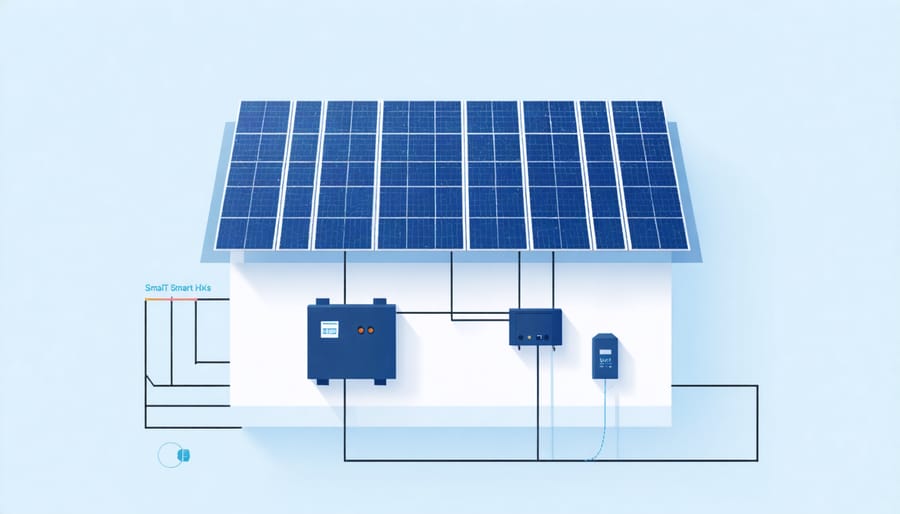
Solar Integration with Smart Grid Systems
Integrating solar panels with your home’s electrical system goes beyond just mounting panels on the roof. Modern smart grid integration allows your solar setup to work intelligently with your home’s power needs, maximizing efficiency and reducing waste.
The key components include smart inverters that convert solar DC power to usable AC power, battery storage systems for excess energy, and smart meters that track your power generation and usage in real-time. These elements work together to create a responsive power management system that adapts to your daily routines and energy demands.
When designing your solar-smart home system, consider installing a home energy management system (HEMS) that can automatically direct power where it’s needed most. For example, during peak sunlight hours, your system might prioritize running energy-intensive appliances like washing machines or charging electric vehicles. During cloudy periods or at night, it can switch to stored battery power or grid electricity when rates are lowest.
Smart thermostats and automated lighting systems can also be integrated with your solar setup, adjusting their operation based on available solar power. Many homeowners find that this level of automation helps them achieve energy independence while maintaining comfort and convenience.
For maximum benefit, work with a qualified solar installer who understands both renewable energy and smart home technology. They can help you size your system appropriately and ensure all components communicate effectively with each other, creating a truly intelligent and sustainable power solution for your home.
Energy Storage and Smart Consumption
Modern energy storage solutions are revolutionizing how eco-friendly homes manage power consumption. The cornerstone of this system is the home battery storage unit, which captures excess energy from solar panels or during off-peak grid times. These batteries, similar to scaled-up versions of electric car batteries, ensure your home remains powered even when the sun isn’t shining or during grid outages.
Smart consumption goes hand in hand with storage through automated energy management systems. These intelligent controllers monitor your home’s energy usage patterns and optimize consumption automatically. For instance, they can schedule energy-intensive tasks like running the dishwasher or charging electric vehicles during off-peak hours when electricity rates are lowest.
The latest smart home systems can even learn your daily routines and adjust accordingly. They might automatically dim lights in unoccupied rooms, adjust your HVAC system based on occupancy patterns, or power up your water heater just before your usual shower time. Many systems now offer smartphone apps that provide real-time energy usage data and allow remote control of connected devices.
To maximize efficiency, consider implementing a whole-home energy monitoring system. These devices track electricity usage down to individual appliances, helping you identify energy hogs and optimize their operation. Smart plugs and switches can be programmed to cut power to devices that draw phantom energy when not in use, potentially saving up to 10% on your electricity bill.
When planning your energy storage system, factor in future needs like electric vehicle charging or home expansion. It’s usually more cost-effective to install a slightly larger system initially than to upgrade later.
Creating an eco-friendly home doesn’t have to be overwhelming or expensive. By implementing the design principles we’ve discussed, you can create a sustainable living space that’s both environmentally conscious and technologically smart. Start with the basics like optimizing natural light and choosing sustainable materials, then gradually incorporate more advanced features like smart thermostats and solar panels as your budget allows.
Remember that every small change matters. Whether you’re building from scratch or renovating your existing home, focus on one area at a time. Begin with energy-efficient windows and proper insulation, then move on to water conservation systems and renewable energy solutions. Don’t forget to consider local climate conditions and building codes when planning your eco-friendly updates.
Ready to take the next step? Start by conducting an energy audit of your current home to identify areas for improvement. Research local contractors who specialize in sustainable building practices and gather quotes for your priority projects. Consider joining local sustainability groups or online communities to share experiences and learn from others who have already implemented similar designs.
The future of housing is green, and by embracing these eco-friendly design principles now, you’re not just creating a more sustainable home – you’re investing in a better future for generations to come. Take action today by choosing one element from this guide and making it your first step toward a more environmentally conscious living space.