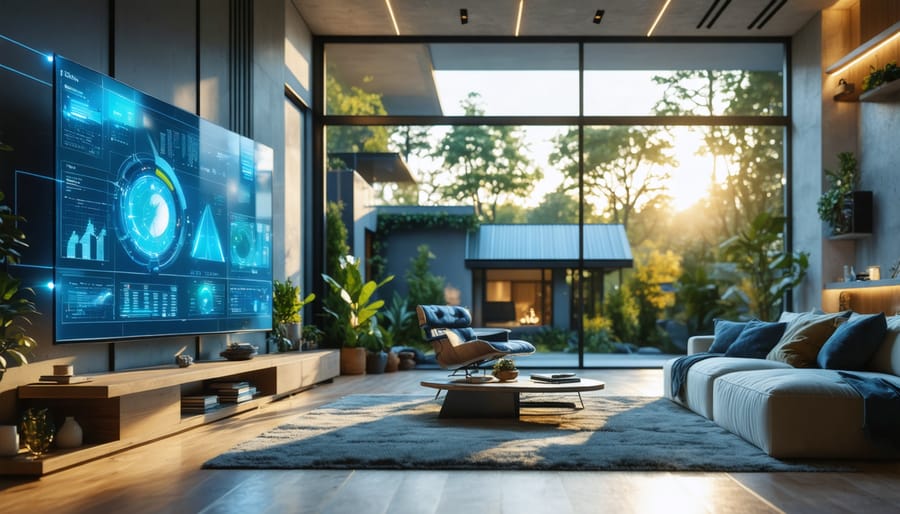
Smart Home Tech That Actually Saves You Money (And The Planet)
Transform your living space into an eco-conscious haven while embracing modern technology and reducing your carbon footprint. Today’s sustainable home improvements merge cutting-edge smart solutions with environmentally responsible materials, creating homes that are both Earth-friendly and technologically advanced. From energy-efficient smart thermostats that cut utility bills by up to 23% to solar-integrated roofing systems that power your home, sustainable upgrades now offer unprecedented control over your home’s environmental impact.
Gone are the days when going green meant sacrificing comfort or style. Modern sustainable home improvements seamlessly integrate with smart home ecosystems, allowing you to monitor and optimize your resource usage in real-time through your smartphone. Whether you’re planning a major renovation or seeking simple weekend projects, each eco-friendly upgrade not only helps protect the environment but also increases your property’s value and reduces monthly operating costs.
The intersection of sustainability and smart technology has opened new possibilities for homeowners who want to make a difference without compromising on convenience. Let’s explore how you can make your home more sustainable while embracing the latest innovations in home automation and energy management.

Energy Management Systems: The Foundation of Sustainable Living
Smart Thermostats and HVAC Controls
Smart thermostats represent one of the most impactful upgrades you can make for an energy-efficient home. These devices go far beyond simple temperature control, learning your schedule and preferences to optimize heating and cooling automatically. Most models allow you to control your home’s climate from your smartphone, making it easy to adjust settings when you’re away or heading home.
Popular options like the Nest Learning Thermostat and Ecobee can reduce your energy bills by 10-15% on average. They achieve this by creating custom schedules based on your lifestyle, automatically adjusting temperatures when you’re asleep or away, and providing detailed energy usage reports that help you make informed decisions about your HVAC operation.
Integration with other smart home devices adds another layer of efficiency. Motion sensors can detect which rooms are occupied and adjust temperatures accordingly, while smart vents can direct airflow where it’s needed most. Many systems also factor in local weather forecasts to optimize performance and even remind you when it’s time to change air filters.
Installation is typically straightforward, though it’s important to verify your HVAC system’s compatibility beforehand. Most smart thermostats come with detailed installation guides and companion apps that walk you through the setup process. For maximum efficiency, consider zoning your home’s HVAC system, which allows for independent temperature control in different areas, further reducing energy waste and improving comfort levels throughout your home.
Automated Lighting Solutions
Transforming your home’s lighting system into a smart, energy-efficient setup is one of the most impactful ways to reduce your carbon footprint while adding convenience to your daily life. Modern automated lighting solutions combine motion sensors, timers, and smartphone controls to ensure lights are only on when needed.
Smart LED bulbs form the foundation of an automated lighting system, using up to 75% less energy than traditional incandescent bulbs while lasting 25 times longer. These bulbs can be programmed to adjust their brightness based on the time of day or natural light levels, creating the perfect ambiance while maximizing energy savings.
Motion sensors are particularly useful in areas like hallways, bathrooms, and outdoor spaces, automatically turning lights off when rooms are unoccupied. Advanced systems can even learn your household’s patterns, adjusting lighting schedules to match your routine.
Many smart lighting systems integrate with home automation hubs, allowing you to create sophisticated schedules and scenes. For example, you can program your lights to gradually brighten in the morning as a natural wake-up call, or automatically dim in the evening to help maintain healthy sleep patterns.
The initial investment in automated lighting typically pays for itself within two years through reduced energy bills. Plus, many utility companies offer rebates for installing energy-efficient lighting systems, making the upgrade even more attractive for budget-conscious homeowners.
Water Conservation Technology
Smart Irrigation Systems
Smart irrigation systems are revolutionizing the way we water our gardens and lawns, offering both environmental benefits and significant water savings. These systems use weather data and soil moisture sensors to determine exactly when and how much water your landscape needs, eliminating waste from overwatering or watering during rainfall.
A typical smart irrigation controller connects to your home’s WiFi network and automatically adjusts watering schedules based on local weather forecasts. Many systems include features like rain delay, which postpones watering when precipitation is expected, and seasonal adjustment capabilities that modify watering patterns throughout the year.
Installing a smart irrigation system is surprisingly straightforward. Most controllers can replace your existing irrigation timer, and many manufacturers provide user-friendly mobile apps for easy scheduling and monitoring. Some advanced systems even offer zone-specific watering, allowing you to customize irrigation for different plant types and soil conditions.
The water savings can be substantial – most homeowners report a 30-50% reduction in outdoor water usage after installation. Beyond water conservation, these systems help prevent plant diseases caused by overwatering and reduce runoff that can carry fertilizers into local water systems. While the initial investment might seem significant, the combination of water savings and healthier plants typically provides a return on investment within two years.

Smart Plumbing Solutions
Modern plumbing technology has revolutionized how we manage water consumption at home. Smart leak detection systems use advanced sensors to monitor your pipes, instantly alerting you to potential issues before they become costly disasters. These intelligent systems can detect even the smallest drips, helping you prevent water damage and reduce waste.
Installing water-efficient solutions like smart faucets and showerheads can dramatically reduce your water usage without compromising comfort. These fixtures often include features like touchless operation, temperature memory, and automatic shut-off timers. Smart toilets with dual-flush capabilities and leak-resistant designs typically use 20-60% less water than traditional models.
One of the most impactful upgrades is a smart water meter that connects to your home automation system. It provides real-time usage data through your smartphone, helping you understand and optimize your consumption patterns. Many systems even learn your household’s routine and can flag unusual usage that might indicate a problem.
For outdoor spaces, smart irrigation controllers adjust watering schedules based on weather conditions and soil moisture levels, ensuring your garden gets exactly what it needs without waste. These smart plumbing solutions not only conserve water but also translate to significant savings on your utility bills.
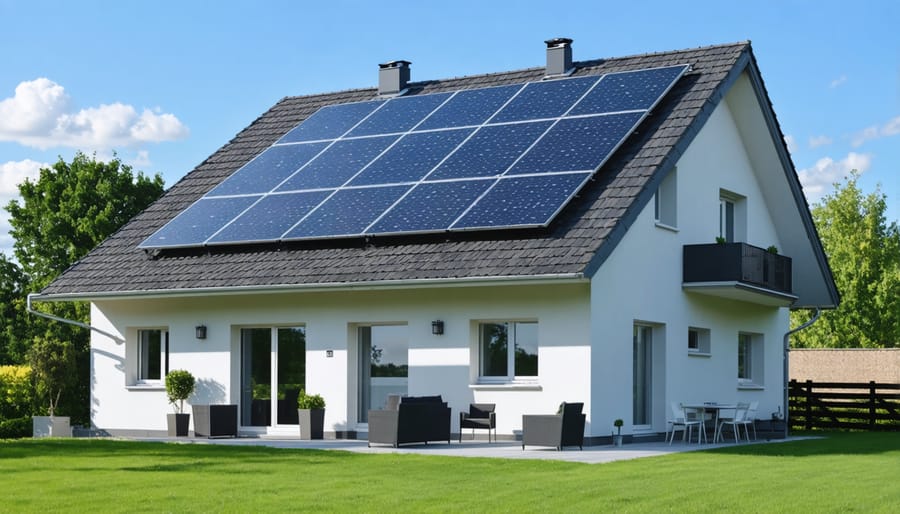
Renewable Energy Integration
Solar Panel Management Systems
Modern solar panel systems have evolved far beyond simple energy collection, now incorporating smart technology that helps you maximize your investment and boost energy efficiency. These intelligent management systems give you real-time insights into your solar setup’s performance through user-friendly mobile apps and web interfaces.
With solar monitoring tools, you can track energy production throughout the day, identify peak generation times, and adjust your energy usage patterns accordingly. Many systems now feature automatic panel optimization, which ensures each panel operates at its best even when partially shaded or affected by debris.
The latest management systems also include predictive maintenance alerts, notifying you when panels need cleaning or repairs before performance drops significantly. Some advanced solutions even integrate with your smart home ecosystem, automatically adjusting your appliance usage to match peak solar production times.
These systems typically include:
– Real-time energy production monitoring
– Performance analytics and reporting
– Weather-based generation forecasts
– Maintenance scheduling alerts
– Mobile app controls and notifications
– Integration with home automation systems
By leveraging these smart features, homeowners can typically increase their solar system’s efficiency by 15-25%, leading to greater energy savings and a faster return on investment. The data these systems provide also helps you make informed decisions about your home’s energy consumption patterns.
Battery Storage Solutions
Battery storage systems are becoming a game-changer for homeowners looking to maximize their renewable energy investments. These systems work by storing excess energy generated from solar panels or wind turbines, making it available when you need it most – like during nighttime or power outages.
The most popular option for home battery storage is lithium-ion technology, similar to what’s used in electric vehicles. These systems are compact, efficient, and can be mounted on walls or placed in your garage. When choosing a battery system, consider your daily energy usage and peak consumption times to determine the right size for your needs.
Modern battery solutions come with smart features that let you monitor and control your energy usage through smartphone apps. You can track real-time power consumption, set charging schedules during off-peak rates, and even sell excess energy back to the grid in some locations.
Installation typically requires a professional electrician and may need local permits. While the upfront cost can be significant, many homeowners find that battery storage pays for itself through reduced utility bills and increased energy independence. Federal tax incentives and state rebates can help offset the initial investment.
For optimal performance, pair your battery system with a home energy management system that automatically switches between stored power and grid electricity based on usage patterns and electricity rates.
Smart Waste Management
Composting Technology
Modern composting has gone high-tech, making it easier than ever to turn kitchen scraps into garden gold. Smart composting systems now come equipped with sensors that monitor moisture levels, temperature, and decomposition rates, taking the guesswork out of the process. Many units feature automated turning mechanisms that ensure proper aeration without manual effort.
Popular smart composters like the FoodCycler and Lomi offer countertop solutions that break down waste within hours using advanced dehydration and grinding technology. For outdoor composting, WiFi-enabled bins can send notifications to your phone when it’s time to add materials or when your compost is ready for use.
Some systems even include AI-powered cameras that help identify which materials can be composted, while others track your household’s waste reduction impact through companion apps. These innovations make composting more accessible to busy households while maximizing efficiency and minimizing odors – perfect for both urban and suburban homes.
Recycling Management Systems
Modern recycling management has evolved beyond simple sorting bins, with smart solutions making waste tracking and recycling easier than ever. Consider installing a smart recycling center in your utility room or garage, complete with digital scanners that help identify recyclable materials and provide proper sorting guidance. These systems can track your household’s recycling habits and even generate monthly reports on your waste reduction progress.
Many smart bins now come with built-in compactors that maximize space and reduce the frequency of trips to your local recycling center. Some advanced systems can automatically order replacement recycling bags or schedule pickup services when bins are nearly full. For composting enthusiasts, smart composting bins monitor moisture levels and temperature while providing real-time feedback through smartphone apps.
To maximize efficiency, pair these systems with recycling apps that provide local recycling guidelines, pickup schedules, and rewards programs for consistent recycling habits. This tech-forward approach to waste management not only streamlines the recycling process but also helps create more sustainable household practices.
Getting Started: Implementation Tips
Starting your sustainable home improvement journey doesn’t have to be overwhelming. Begin by conducting a home energy audit to identify areas where you can make the most impact. This will help you prioritize your eco-friendly home upgrades effectively.
First, focus on the basics: install a smart thermostat and LED lighting systems. These are relatively simple projects that offer immediate benefits and can be completed in a weekend. When selecting smart devices, ensure they’re compatible with your existing home automation system or choose a platform you plan to build upon.
Consider tackling one room at a time. The kitchen is often an excellent starting point, as it typically uses the most energy. Replace old appliances with ENERGY STAR certified models and install water-efficient faucets with smart sensors. In bathrooms, start with low-flow fixtures and occupancy-sensing lights.
For larger projects, create a timeline and budget that spans 6-12 months. This allows you to spread out costs while maintaining momentum. Solar panel installation, for instance, requires careful planning and professional assessment. Begin this process by getting multiple quotes and checking local regulations.
When implementing new technology, always:
– Read product manuals thoroughly before installation
– Keep software and firmware updated
– Document your system settings
– Create backup plans for critical systems
– Test all features before relying on automation
– Start with basic functions and gradually expand
Remember to properly dispose of old materials and appliances through recycling programs. Many retailers offer take-back services for electronics and appliances. Finally, maintain a project log to track your improvements and their impact on your utility bills – this helps validate your investments and identify areas for future upgrades.
Embracing sustainable home improvement is more than just a trend – it’s a smart investment in our future and our planet. By implementing eco-friendly solutions and integrating smart technology, you can create a home that’s both environmentally responsible and modern. From energy-efficient appliances to renewable materials, every sustainable choice contributes to reduced utility bills, increased property value, and a healthier planet. The best part? You don’t have to tackle everything at once. Start with small changes and gradually work your way up to bigger projects. Whether you’re a seasoned DIY enthusiast or just beginning your sustainability journey, the time to act is now. Your home improvement choices today will shape the environmental legacy we leave for future generations. Take that first step toward a greener home – you’ll be amazed at how simple changes can make a significant impact.