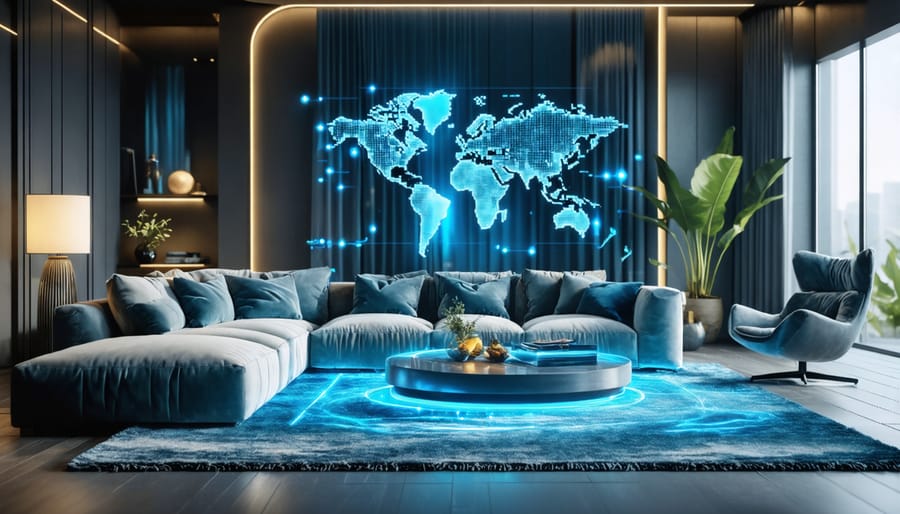
Smart Fabrics Transform Home Decor: Tech-Enhanced Beauty Meets Function
Transform your living spaces with today’s innovative fabric technologies, where style meets functionality in ways never before possible. Modern decorative textiles now seamlessly integrate smart home technology, offering everything from color-changing curtains to stain-resistant upholstery that maintains its beauty for years.
Gone are the days when fabric selection meant simply choosing between cotton and polyester. Today’s decorative fabrics feature moisture-wicking properties, built-in UV protection, and even programmable light-filtering capabilities. Whether you’re redesigning a cozy reading nook or updating your entire living room, these advanced textiles provide both aesthetic appeal and practical benefits that transform how we interact with our living spaces.
From antimicrobial treatments that keep your furniture naturally fresh to eco-friendly materials that reduce your carbon footprint, modern decorative fabrics offer solutions for every design challenge. These innovative materials not only look stunning but also contribute to a healthier, more comfortable living environment while requiring minimal maintenance.
What Makes a Fabric ‘Smart’?
Core Technologies in Smart Fabrics
Smart fabrics are among the most exciting revolutionary home materials emerging in interior design today. These innovative textiles incorporate cutting-edge technology to create dynamic, responsive surfaces that can transform your living spaces. Color-changing fabrics use thermochromic dyes that respond to temperature fluctuations, allowing your upholstery or curtains to shift hues based on room conditions or touch. Temperature-regulating materials contain phase-change technology that absorbs excess heat when it’s warm and releases it when the temperature drops, helping maintain comfortable room conditions.
Light-responsive fabrics are particularly fascinating, featuring embedded photochromic elements that react to UV exposure. These can create subtle pattern changes throughout the day or serve as natural light indicators. Some smart fabrics even incorporate conductive threads that enable touch-sensitive controls for smart home features, like adjusting lighting or music with a simple tap on your furniture.
These technologies are becoming increasingly accessible to homeowners, with options ranging from subtle environmental responses to dramatic interactive displays. When selecting smart fabrics, consider how they’ll complement your existing décor while adding that extra layer of functionality to your space.
Smart vs. Traditional Fabrics
While traditional fabrics like cotton, silk, and polyester have served us well for generations, smart fabrics are revolutionizing how we think about home decoration. These innovative textiles combine conventional materials with embedded technology to offer functionality beyond mere aesthetics.
Smart fabrics can change color with temperature fluctuations, respond to touch, or even help regulate room temperature. Imagine curtains that automatically adjust their opacity based on sunlight or upholstery that resists stains by actively repelling liquids. Unlike traditional fabrics that remain static, smart textiles can adapt to your needs and environment.
However, traditional fabrics still hold their ground with proven durability, wider availability, and lower costs. They offer timeless appeal and don’t require power sources or special maintenance. The choice between smart and traditional fabrics often comes down to your specific needs, budget, and comfort with technology.
For optimal results, many designers recommend a balanced approach – using smart fabrics as accent pieces while maintaining traditional materials as the foundation of your decorating scheme. This combination provides both the reliability of conventional textiles and the exciting possibilities of modern innovation.

Popular Smart Fabrics for Home Decor
Color-Changing Curtains and Upholstery
Color-changing fabrics are revolutionizing how we think about window treatments and furniture. These innovative materials use either photochromic technology, which responds to light, or thermochromic technology, which reacts to temperature changes, creating dynamic living spaces that adapt to environmental conditions.
Photochromic curtains automatically adjust their opacity when exposed to sunlight. On bright days, they darken to reduce glare and heat gain, while maintaining clear views during overcast conditions. This smart functionality not only enhances comfort but can significantly reduce energy costs by minimizing the need for additional cooling.
Thermochromic upholstery brings an interactive element to furniture pieces. These fabrics change color in response to body heat, creating unique patterns where people sit or touch the material. Imagine a sofa that subtly shifts from deep blue to light azure, or dining chairs that temporarily display artistic impressions after use.
Both technologies are available in various color combinations and patterns. While currently more expensive than traditional fabrics, their practical benefits and wow factor make them increasingly popular in modern homes and commercial spaces. The durability of these smart fabrics has also improved significantly, with many manufacturers now offering warranties comparable to conventional materials.
For best results, consider using these fabrics strategically – perhaps as accent pieces or in rooms where their color-changing properties can create the most impact. They work particularly well in spaces that receive varying amounts of natural light throughout the day.
Climate-Control Textiles
Climate-control textiles represent a revolutionary advancement in home comfort and energy efficiency. These innovative fabrics are engineered to regulate temperature, creating a more comfortable living environment while potentially reducing heating and cooling costs.
Thermal curtains and drapes are the most common climate-control textiles, featuring multiple layers that trap air and provide insulation. During winter, they help retain heat, while in summer, they block solar heat gain. Some advanced versions incorporate phase-change materials (PCMs) that absorb, store, and release heat as needed to maintain consistent room temperatures.
Smart blackout fabrics go beyond traditional light blocking by incorporating heat-reflective properties. These materials are particularly effective in bedrooms and media rooms, where both light control and temperature regulation are essential. Many newer versions feature moisture-wicking properties that help maintain optimal humidity levels.
For upholstery, temperature-regulating fabrics like wool blends and specialized synthetic materials offer natural climate control properties. These fabrics feel cool in summer and warm in winter, making them ideal for frequently used furniture pieces like sofas and dining chairs.
When selecting climate-control textiles, consider factors like window orientation, room usage, and local climate patterns. While these fabrics may cost more initially, their potential energy savings and improved comfort levels make them a worthwhile investment for many homeowners.
Light-Emitting Fabrics
Light-emitting fabrics represent an exciting fusion of textile innovation and modern illumination technology, bringing a whole new dimension to interior decoration. These revolutionary materials incorporate tiny LED lights directly into the fabric’s weave, creating stunning visual effects that transform ordinary spaces into extraordinary environments.
Perfect for both residential and commercial spaces, these fabrics can be used in various applications, from illuminated curtains and wall hangings to glowing throw pillows and decorative panels. What makes them particularly appealing is their ability to integrate seamlessly with other smart ambient lighting solutions, creating cohesive lighting schemes throughout your space.
Most light-emitting fabrics are powered by rechargeable batteries or can be connected to standard electrical outlets. They’re surprisingly energy-efficient, using minimal power while providing maximum impact. Many varieties come with programmable features, allowing you to adjust brightness levels, create lighting patterns, or set timers for automatic operation.
When selecting light-emitting fabrics, consider factors like washability, power source accessibility, and light intensity. While these fabrics tend to be more expensive than traditional decorative textiles, their dual functionality as both fabric and lighting element often justifies the investment. They’re particularly effective in creating atmospheric lighting for entertainment areas, accent walls, or as striking focal points in modern interior designs.
Practical Applications in Your Home
Best Rooms for Smart Fabrics
Smart fabrics can dramatically transform your interior space, but some rooms benefit more than others from this innovative technology. Let’s explore the best locations for implementing smart fabrics in your home.
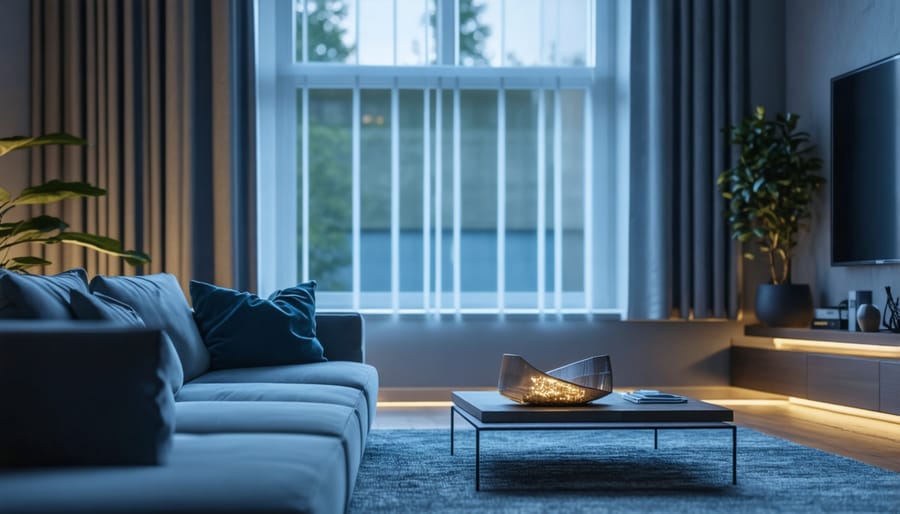
The living room stands out as a prime candidate for smart fabric integration. Consider using color-changing curtains that adjust throughout the day to optimize natural light and privacy. Smart upholstery on sofas and chairs can incorporate heating elements for cozy winter evenings or cooling properties for summer comfort.
Bedrooms benefit greatly from temperature-regulating smart fabrics. Install these in bedding and window treatments to maintain optimal sleeping conditions. Motion-sensitive curtains can gradually open in the morning, creating a natural wake-up experience.
Home offices deserve special attention, as smart fabrics can enhance productivity. Anti-glare window treatments that automatically adjust based on sunlight levels protect your eyes and equipment. Sound-absorbing smart wall panels can create the perfect acoustic environment for video calls.
In bathrooms, moisture-sensing smart towels and mats can alert you to excessive humidity or water accumulation. Self-cleaning shower curtains with antimicrobial properties help maintain hygiene while reducing maintenance.
For dining rooms, stain-resistant smart tablecloths and chair coverings offer practical elegance. These fabrics can repel spills while maintaining a sophisticated appearance, making them perfect for entertaining.
Remember to consider the specific needs of each space when selecting smart fabrics. Focus on areas where the technology will provide the most significant impact on comfort, functionality, and daily living.
Installation and Maintenance Tips
Proper installation and maintenance of decorative fabrics can significantly extend their lifespan and preserve their appearance. When installing curtains or upholstery, always measure twice and cut once to ensure perfect fit. For curtains, leave an extra 2-3 inches of fabric on each side for proper hanging and light control. If you’re working with delicate fabrics, use clean, sharp scissors to prevent fraying.
For regular maintenance, vacuum your fabric furnishings weekly using a soft brush attachment to remove dust and debris. Treat stains immediately by blotting (never rubbing) with a clean, white cloth. Always test cleaning solutions on a hidden area first to ensure colorfastness.
Different fabrics require specific care approaches. Natural fibers like cotton and linen can usually be steam cleaned, while delicate silks may need professional dry cleaning. For synthetic fabrics, follow manufacturer guidelines carefully to avoid damage.
To protect your fabrics from fading, consider using UV-protective window films or installing proper window treatments. Keep furniture away from direct sunlight when possible, and rotate cushions regularly to ensure even wear.
For upholstered pieces, professional cleaning every 12-18 months is recommended. In between, use fabric protectors to guard against spills and stains. Keep pets’ nails trimmed to prevent snags, and avoid placing sharp objects near your fabric installations.
Store unused fabrics in a cool, dry place, wrapped in acid-free paper or clean white sheets. Avoid plastic storage bags, which can trap moisture and lead to mildew. Regular inspection for signs of wear or damage will help you address issues before they become major problems.
Cost and Investment Considerations
When planning your decorating project, fabric costs can vary significantly based on quality, type, and intended use. Entry-level decorative fabrics typically range from $10 to $30 per yard, making them suitable for smaller projects or seasonal updates. Mid-range fabrics, which offer better durability and style options, usually cost between $30 and $75 per yard, while premium designer fabrics can exceed $100 per yard.
Consider the long-term value when making your selection. While cheaper fabrics might seem attractive initially, they often wear faster and may need replacement sooner. Investment in higher-quality materials, particularly for high-traffic items like upholstered furniture or window treatments, typically provides better value over time through increased durability and fade resistance.
Factor in additional costs beyond the fabric itself. Professional upholstery services can range from $500 to $1,500 for a standard sofa, while custom window treatments might cost $200 to $1,000 per window, depending on size and complexity. If you’re taking the DIY route, remember to budget for supplies like thread, trim, and tools.
For commercial spaces or rental properties, consider performance fabrics that offer stain resistance and durability. While these materials cost 20-30% more upfront, they often prove more economical through reduced maintenance and replacement costs.
To maximize your investment, start with key pieces that see the most use or have the highest visibility. This strategy allows you to allocate your budget effectively while creating the most impact. Remember to request samples before making large purchases, as colors and textures can appear different in your space than in showrooms or online.
As we look to the future of home décor, smart fabrics are revolutionizing how we think about and interact with our living spaces. These innovative textiles offer an perfect blend of functionality and style, transforming ordinary rooms into responsive environments that adapt to our needs. From curtains that automatically adjust to natural light levels to upholstery that changes color with the touch of a button, smart fabrics are making our homes more comfortable, efficient, and personalized than ever before.
The benefits extend beyond mere convenience. Smart fabrics contribute to energy efficiency, help maintain optimal indoor temperatures, and can even monitor air quality. As technology continues to advance, we can expect to see even more impressive applications, including fabrics that can store and display digital information or respond to voice commands.
While smart fabrics currently represent a premium investment, their costs are steadily decreasing as manufacturing processes improve and demand increases. For homeowners looking to stay ahead of design trends while embracing practical innovations, smart fabrics offer an exciting opportunity to create living spaces that are both beautiful and intelligently responsive to our modern lifestyle needs.