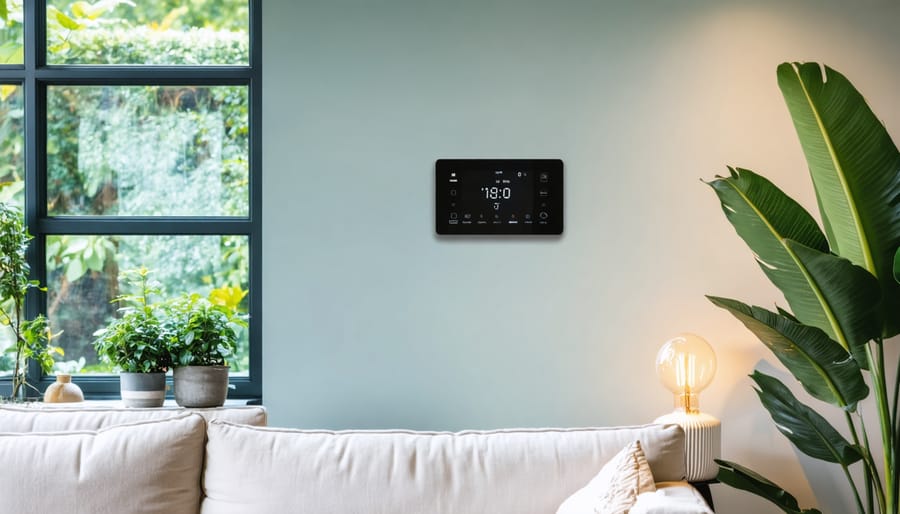
Smart Energy Features That Actually Lower Your Home’s Bills
Transform your home into an energy-saving powerhouse by integrating smart thermostats, double-pane windows, and advanced insulation systems that slash utility bills while enhancing comfort. Modern energy-efficient homes combine cutting-edge technology with timeless design principles, delivering up to 50% reduction in energy consumption compared to traditional houses. Beyond the immediate savings on monthly bills, these features significantly increase property value and create a more sustainable living environment.
Strategic placement of energy-efficient windows, proper sealing techniques, and smart home automation systems work together to maintain optimal temperature control while minimizing energy waste. LED lighting systems, Energy Star-rated appliances, and solar-ready roofing preparations create a foundation for long-term sustainability without compromising on style or comfort. Whether you’re building new or upgrading an existing home, incorporating these features represents a smart investment that pays dividends through reduced operating costs and improved living conditions.
Each energy-efficient upgrade contributes to a larger ecosystem of savings, from programmable thermostats that learn your schedule to advanced insulation materials that maintain consistent indoor temperatures year-round. The key lies in selecting features that balance initial investment with long-term returns while complementing your home’s architectural design and your family’s lifestyle needs.
Smart Windows and Natural Lighting Solutions
Energy-Efficient Window Technologies
Modern window technologies have revolutionized home energy efficiency, offering multiple ways to keep your home comfortable while reducing energy bills. Double-pane windows feature two glass panels with an insulating air or gas layer between them, significantly reducing heat transfer compared to single-pane windows. For even better performance, triple-pane windows add another layer of glass and insulation, making them ideal for extreme climates.
Low-E (low-emissivity) coatings are microscopic layers applied to window glass that reflect heat while allowing natural light to pass through. During summer, these coatings bounce heat back outside, while in winter, they reflect indoor heat back into your home. This year-round benefit makes Low-E windows a smart investment for any climate zone.
Smart tinting technology has brought exciting innovations to window efficiency. These windows can automatically adjust their tint based on sunlight intensity or your preferences via smartphone control. Some systems use electrochromic glass that changes opacity with the push of a button, while others employ special films that respond to electrical currents. Besides energy savings, these smart windows enhance privacy and protect furniture from UV damage.
When selecting window upgrades, consider your local climate, budget, and existing home design to choose the most effective combination of these technologies.

Strategic Window Placement and Design
Smart window placement can dramatically reduce your home’s energy consumption while creating bright, inviting spaces. South-facing windows capture maximum sunlight during winter months, providing natural warmth and reducing heating costs. Consider installing large windows on this side, but remember to incorporate appropriate overhangs to block intense summer sun.
East and west-facing windows require careful planning, as they can contribute to unwanted heat gain. Use smaller windows in these areas and consider installing external shading devices or energy-efficient window treatments. North-facing windows provide consistent, indirect light without excessive heat gain, making them perfect for rooms where you want natural light without glare.
For optimal efficiency, choose double or triple-pane windows with low-E coatings and appropriate gas fills. Complement your window design with strategic window treatments like cellular shades, which create an insulating air pocket, or thermal curtains that block heat transfer. Automated blinds can be programmed to adjust throughout the day, maximizing natural light while minimizing energy loss.
Remember to seal any gaps around window frames and consider installing window films on existing windows to improve their energy performance without replacement.
Smart HVAC and Temperature Control
Smart Thermostats and Zoning Systems
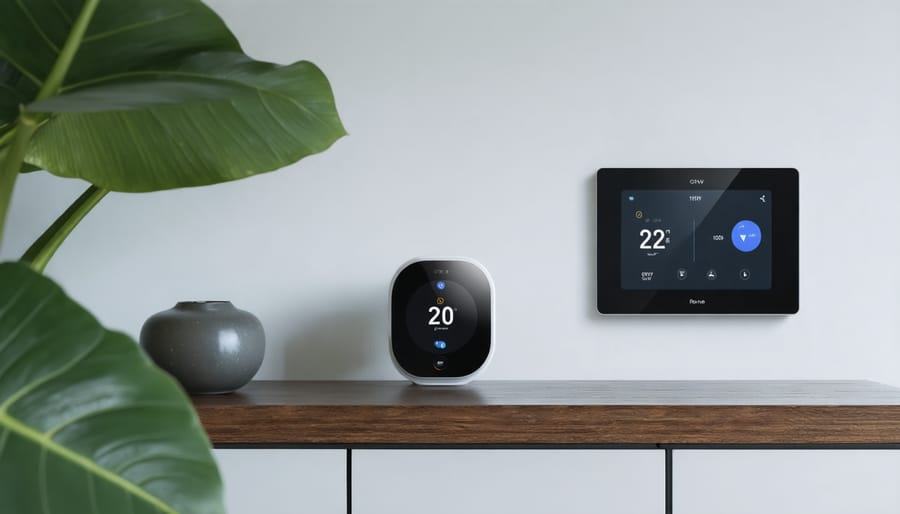
Smart thermostats and zoning systems are game-changers in modern home climate control, offering both comfort and significant energy savings. These intelligent devices go beyond basic temperature control, working as part of smart HVAC systems to learn your schedule and adjust temperatures automatically.
With programmable thermostats, you can set different temperatures for various times of the day. For example, you might program lower temperatures while you’re sleeping or away at work, then have your home cozy and warm just before you return. Many smart models even allow you to control your home’s temperature right from your smartphone, making last-minute adjustments a breeze.
Zoning systems take this efficiency a step further by dividing your home into distinct temperature zones. Instead of heating or cooling your entire house to the same temperature, you can customize settings for different areas. Keep your bedroom cool for sleeping while maintaining a warmer living room for evening relaxation. This targeted approach not only increases comfort but can reduce energy bills by up to 30%.
Modern smart thermostats also offer helpful features like maintenance reminders, energy usage reports, and even integration with voice assistants. Some models can even detect when you’re approaching home and adjust the temperature accordingly, ensuring perfect comfort the moment you walk through the door.
Energy-Efficient Ventilation Solutions
Modern ventilation systems play a crucial role in maintaining your home’s energy efficiency while ensuring excellent air quality. Energy Recovery Ventilators (ERVs) are game-changers in this space, working tirelessly to exchange stale indoor air with fresh outdoor air while preserving your home’s temperature and humidity levels. These smart systems can recover up to 80% of the energy that would typically be lost through traditional ventilation methods.
Smart vents take this efficiency a step further by allowing you to control airflow in different rooms through your smartphone. Imagine automatically reducing airflow to unused spaces while directing more conditioned air to occupied areas – that’s the power of smart vents at work. These programmable units can integrate with your home automation system, adjusting based on occupancy, time of day, or even weather conditions.
For optimal performance, consider combining ERVs with smart vents. During summer, your ERV pre-cools incoming air using the energy from outgoing air, while smart vents ensure this conditioned air reaches the right spaces. In winter, the system works in reverse, pre-warming incoming air to maintain comfort without overtaxing your heating system.
The best part? These systems require minimal maintenance – usually just filter changes every 6-12 months – and can significantly reduce your energy bills while improving indoor air quality. For homes in varied climates, this combination provides year-round benefits with impressive return on investment.
Lighting Systems and Controls
LED and Smart Bulb Integration
Modern LED lighting solutions combined with smart technology offer homeowners an impressive way to reduce energy consumption while enhancing home comfort. LED bulbs use up to 90% less energy than traditional incandescent bulbs and last up to 25 times longer, making them a cost-effective choice for any room.
Smart bulbs take energy efficiency even further by allowing precise control over your home’s lighting. Through smartphone apps or voice commands, you can adjust brightness levels, set automated schedules, and even create lighting scenes for different times of day. Motion sensors can automatically turn lights off in unused rooms, while dimming features help you use only the amount of light you need.
Color-changing smart LEDs add both functionality and ambiance, letting you switch between bright, productive lighting for work and softer, warmer tones for relaxation. Many systems also integrate with home automation platforms, allowing your lights to work in harmony with other smart devices like thermostats and security systems.
For optimal energy savings, consider installing occupancy sensors in high-traffic areas and outdoor motion-activated fixtures. These automated controls ensure lights are only on when needed, maximizing both convenience and efficiency.
Motion Sensors and Automation
Motion sensors and automated lighting controls are game-changers when it comes to energy efficiency in modern homes. These smart devices ensure lights are only on when needed, eliminating the wasteful habit of leaving lights on in empty rooms. Installing motion sensors in high-traffic areas like hallways, bathrooms, and entryways can reduce lighting costs by up to 30%.
The beauty of automation lies in its simplicity. When you enter a room, the lights automatically switch on, and after a preset period of inactivity, they turn off. Many systems now integrate with smart home platforms, allowing you to customize settings through your smartphone. You can adjust sensitivity levels, delay times, and even light intensity to match your preferences.
For outdoor spaces, motion sensors serve double duty – they save energy while enhancing security. Installing them around garages, pathways, and entrance areas ensures illumination only when movement is detected, deterring potential intruders while keeping energy bills in check.
Consider occupancy sensors for larger spaces like basements or offices. Unlike motion sensors, these devices detect presence through heat signatures, making them ideal for areas where people might be relatively still for extended periods.
Insulation and Building Materials
High-Performance Insulation Options
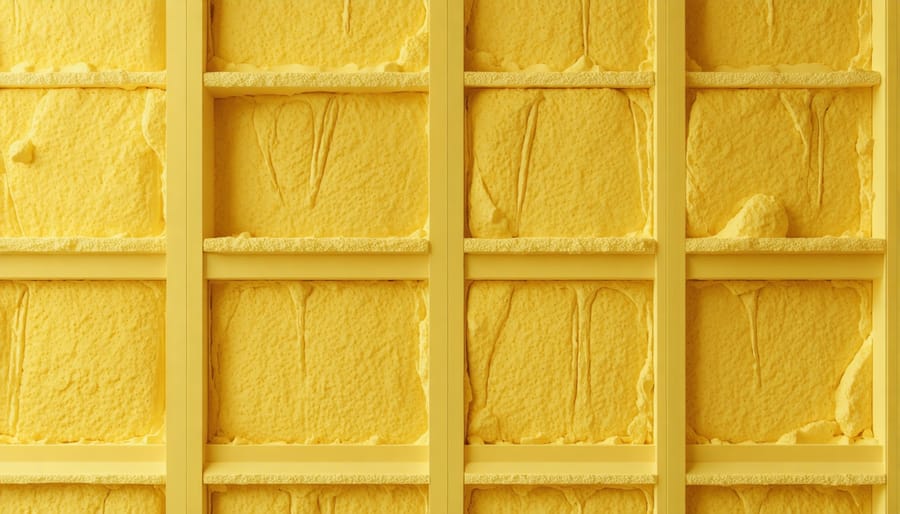
Today’s high-performance insulation options offer remarkable energy-saving benefits while keeping your home comfortable year-round. Spray foam insulation leads the pack with its superior air-sealing properties and high R-value, creating an airtight barrier that significantly reduces heat transfer. It’s particularly effective for attics and crawl spaces, though it requires professional installation.
Fiberglass batts remain a popular and cost-effective choice, now available in formaldehyde-free versions that are safer for your home. For existing walls, blown-in cellulose insulation, made from recycled paper products, provides excellent coverage and can be added without major reconstruction.
Reflective or radiant barriers work wonderfully in hot climates by reflecting heat away from your living space. These aluminum-faced materials are especially effective in attics, where they can reduce cooling costs by up to 10%.
Polyisocyanurate (polyiso) boards offer one of the highest R-values per inch and are perfect for exterior wall sheathing or roof decking. They’re slightly pricier but deliver outstanding thermal performance and moisture resistance, making them a smart long-term investment for energy-conscious homeowners.
Energy-Efficient Building Materials
Choosing the right building materials is crucial for maximizing your home’s energy efficiency. Modern insulation materials like spray foam and recycled denim offer superior thermal resistance compared to traditional options. Structural Insulated Panels (SIPs) combine insulation and structural elements, creating an airtight envelope that significantly reduces energy loss.
Low-emissivity (low-E) windows feature special coatings that reflect heat while allowing natural light to pass through, keeping your home cooler in summer and warmer in winter. For exterior walls, insulated concrete forms (ICFs) provide excellent thermal mass and durability, while cool roofing materials with high solar reflectance help minimize heat absorption.
Sustainable materials like bamboo flooring and recycled steel not only contribute to energy efficiency but also reduce environmental impact. Weather-resistant doors with proper weatherstripping and thermal breaks prevent drafts and heat loss. Consider using phase change materials (PCMs) in walls, which absorb and release heat to maintain consistent indoor temperatures.
Remember to select materials with high R-values for your climate zone, and always verify energy performance ratings before making your final choices.
Smart Appliances and Energy Management
Modern smart appliances and home automation systems are revolutionizing how we manage energy consumption. When choosing appliances, look for ENERGY STAR certified models, which typically use 10-50% less energy than standard alternatives. Smart refrigerators, washers, and dishwashers not only reduce energy usage but can also provide real-time consumption data through your smartphone.
Installing a smart thermostat is one of the most impactful energy-efficient home solutions you can implement. These devices learn your schedule and preferences, automatically adjusting temperature settings to optimize comfort while minimizing energy waste. Many models can save 10-15% on heating and cooling costs annually.
Smart lighting systems with motion sensors and programmable schedules ensure lights are only on when needed. LED smart bulbs use up to 90% less energy than traditional incandescent bulbs and last significantly longer. You can control them remotely or set automated routines through your phone or voice commands.
A home energy monitoring system ties everything together, providing detailed insights into your power usage patterns. These systems can identify energy-hungry appliances and suggest optimization strategies. Some even integrate with solar panels and battery storage systems, helping you maximize renewable energy use.
For optimal results, connect your appliances to a central hub or smart home platform. This allows for coordinated energy management, such as running your dishwasher during off-peak hours or adjusting your HVAC system based on real-time electricity rates. Many utility companies offer special rates for homes with smart energy management systems, providing additional savings opportunities.
Creating an energy-efficient home doesn’t have to be overwhelming. By implementing these features gradually, you can transform your living space into a more sustainable and cost-effective environment. Start with simple changes like LED lighting and smart thermostats, then progress to bigger investments such as energy-efficient appliances and improved insulation.
Remember that every improvement counts, whether it’s sealing air leaks, upgrading windows, or installing solar panels. The key is to assess your home’s current energy usage and identify areas where you can make the most impact. Consider creating a timeline for improvements based on your budget and priorities.
Take action today by scheduling a home energy audit, researching available tax incentives, and making a list of potential upgrades. Don’t forget to involve your family in energy-saving habits, as behavioral changes complement physical improvements. With thoughtful planning and implementation, you can create a more comfortable, efficient home while reducing your environmental impact and utility bills.
Stay informed about new technologies and continue updating your home’s features as better options become available. Your journey toward energy efficiency is an ongoing process that pays dividends in both comfort and savings.