How Sacred Spaces at Home Can Transform Your Daily Life (No Matter Your Faith)
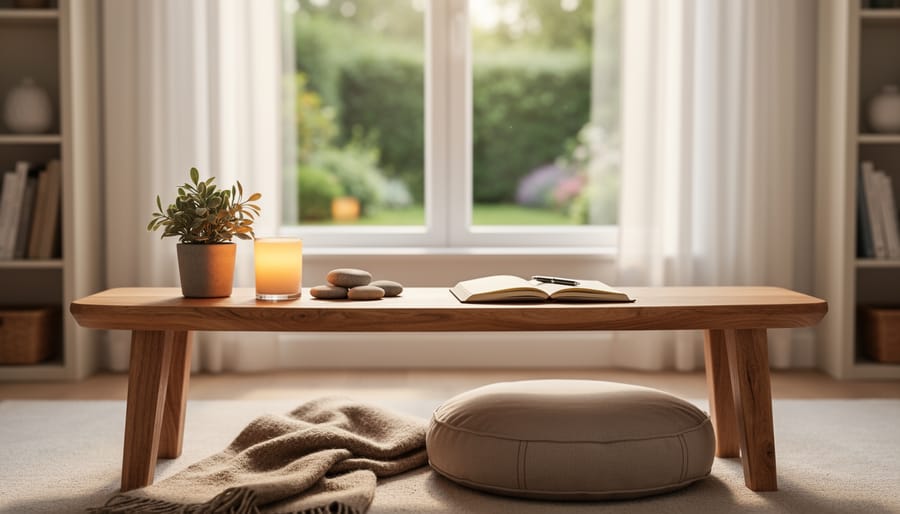
A sacred space is any intentional area—whether a corner of your bedroom, a meditation nook, or an entire room—designed to foster reflection, peace, and spiritual connection. These spaces serve as physical anchors for mindfulness practices, prayer, meditation, or simply quiet contemplation away from daily distractions.
Creating a sacred space doesn’t require religious affiliation or elaborate rituals. The concept transcends cultural and faith boundaries, appearing in forms as diverse as Christian prayer rooms, Buddhist meditation corners, Islamic prayer areas, or secular mindfulness zones. What makes a space sacred isn’t its size or expense, but the intention behind it and the consistency with which you use it.
In modern homes, sacred spaces address a growing need for mental clarity and emotional grounding. They provide a dedicated environment where you can disconnect from technology, process emotions, practice gratitude, or engage in personal growth activities. The physical separation from everyday activities signals to your brain that this area serves a different purpose, making it easier to shift into a reflective mindset.
Whether you’re clearing a shelf for meaningful objects, transforming an unused closet, or designating an outdoor garden spot, the goal remains the same: creating a tangible location that supports your inner life. This article explores how to define, design, and implement sacred spaces that align with your personal values and lifestyle, offering practical guidance for bringing this transformative concept into your home.
What Makes a Space ‘Sacred’? Beyond Religion and Ritual
A sacred space is simply any area intentionally set apart to hold special meaning for you. While traditionally associated with religious practices—think churches, temples, or meditation rooms—the concept extends far beyond organized faith. Your sacred space might be a reading nook where you find peace, a garden corner that helps you reconnect with nature, or even a window seat where you journal each morning.
What transforms an ordinary spot into something sacred isn’t divine intervention or elaborate ritual. Three core elements make the difference: intention, separation, and personal significance.
Intention means you’ve consciously designated this space for a specific meaningful purpose. It’s not just where your yoga mat happens to land; it’s where you deliberately practice mindfulness. This purposeful choice elevates the space beyond mere function.
Separation distinguishes your sacred space from everyday activities. This doesn’t require physical walls—though those help. It could be as simple as using a special cushion, lighting a candle, or turning off your phone when you enter this zone. The boundary signals to your brain that this space operates differently than your kitchen counter or work desk.
Personal meaning is perhaps most crucial. Your sacred space reflects what matters to you, influenced by everything from childhood memories to cultural influences on design. One person’s sanctuary might feature family photos and heirlooms, while another’s remains intentionally minimal.
The psychological benefits are real and measurable. Having a designated meaningful space helps reduce stress, improve focus, and create emotional anchors in our hectic lives. When you consistently use a specific area for reflection, creativity, or spiritual practice, your mind begins associating that location with those positive states, making it easier to access calm or inspiration simply by being there.
Sacred doesn’t mean serious or somber—it means significant to you.
Sacred Spaces Across Different Faith Traditions
Christian Prayer Corners and Home Altars
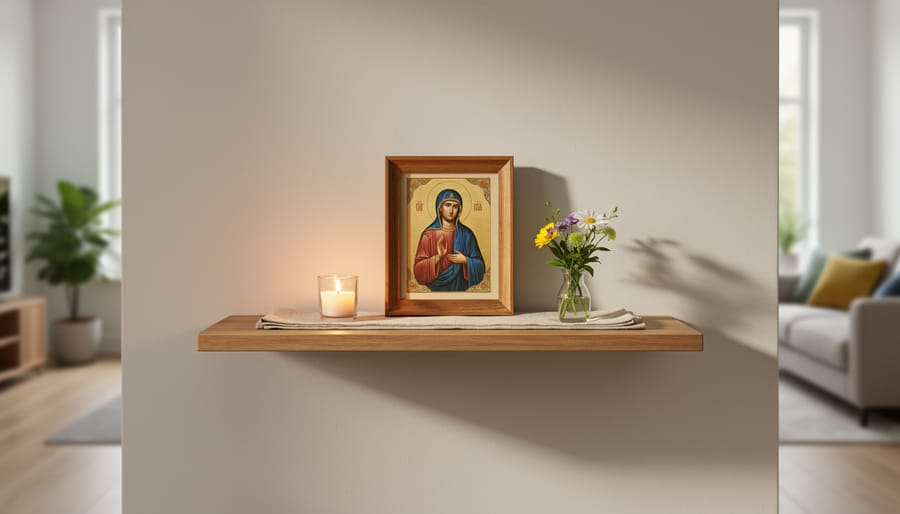
Christian prayer corners and home altars offer dedicated spaces for reflection, devotion, and connection with faith. These sacred areas can range from elaborate icon walls to simple prayer corners tucked into quiet parts of your home.
Traditional elements include a cross or crucifix as the focal point, often positioned at eye level when seated or kneeling. Many people incorporate religious artwork, prints of favorite Bible verses, or family heirlooms with spiritual significance. Candles provide both symbolic meaning and gentle lighting that creates an atmosphere conducive to meditation and prayer.
Contemporary Christian sacred spaces often blend traditional symbols with modern comfort. Consider a small corner table or floating shelf to display your items, paired with a comfortable chair or meditation cushion. Some homeowners create portable prayer spaces using decorative trays or boxes that can be moved to different rooms as needed.
For a practical DIY approach, start with these basics: select a quiet location away from household traffic, add a simple wooden cross or framed scripture verse, include a journal for reflections, and position a small lamp or LED candles for ambiance. Technology integration can include a tablet for Bible apps or worship music playlists, though many prefer keeping these spaces screen-free to minimize distractions and maintain a contemplative atmosphere.
Hindu Puja Rooms and Shrines
In Hindu tradition, the puja room serves as a dedicated space for daily worship and spiritual connection within the home. This sacred area houses a collection of murtis (deity statues or images) arranged on a clean platform or shelf, creating a focal point for prayer and meditation.
Traditional placement considerations suggest locating your puja room in the northeast corner of your home, which is believed to invite positive energy. However, any quiet, clean space that feels peaceful can work beautifully. Many homeowners convert a spare closet, designate a corner of their bedroom, or create a small alcove specifically for this purpose.
Essential elements include murtis of chosen deities, diya lamps (small oil or ghee lamps), an incense holder, and a small plate for offerings like flowers, fruit, or sweets. A small bell and water vessel are also common additions. Consider installing a small shelf at an appropriate height—deities should ideally be placed at eye level or slightly above when you’re seated.
Cleanliness is paramount in puja spaces. Choose materials that are easy to wipe down, like marble or tile for surfaces. If you’re creating a built-in shrine, incorporate hidden storage for puja supplies to maintain the area’s sacred atmosphere. Adequate lighting, whether natural or artificial, helps create an inviting environment for daily practice.
Buddhist Meditation Altars
Buddhist meditation altars embody minimalist design principles while creating a focal point for contemplative practice. These sacred spaces typically feature a Buddha statue or image as the centerpiece, positioned at eye level when seated. The altar surface holds offering bowls, traditionally filled with water, flowers, or fruit to symbolize generosity and impermanence.
Incense holders add sensory depth to meditation sessions, with the rising smoke representing prayers and intentions. Many practitioners include a small bell or singing bowl to mark the beginning and end of meditation periods. Candles or electric lights provide gentle illumination without distraction.
The meditation space extends beyond the altar itself. Position a zafu cushion or meditation bench facing the altar, allowing comfortable seated practice. Keep the surrounding area uncluttered, with neutral wall colors and minimal decorations to reduce visual distractions.
For a DIY approach, start with a simple wooden shelf or small table. Choose natural materials like bamboo or light wood that align with Buddhist aesthetic values. Add personal elements gradually, selecting items that genuinely support your practice rather than creating visual clutter. The goal is creating an environment that naturally draws you toward stillness and reflection.
Islamic Prayer Spaces
For Muslims observing five daily prayers, a dedicated home prayer space offers both convenience and spiritual focus. The essentials are surprisingly simple and adaptable to any room size.
Start with a clean prayer rug positioned to face the Qibla—the direction of Mecca. You can find the precise direction using smartphone apps or online Qibla finders based on your location. This directional element transforms any quiet corner into a proper prayer space.
Cleanliness is paramount in Islamic practice, so choose a low-traffic area that’s easy to keep tidy. Many families designate a corner in the bedroom or living room, separating it visually with a folding screen or room divider for privacy during prayer times.
Store your Quran and prayer beads on a dedicated shelf positioned above waist height as a sign of respect. A small bookstand makes reading more comfortable during longer prayer sessions.
Keep the space minimal and peaceful—soft lighting, neutral colors, and uncluttered surfaces help maintain focus. Consider adding a small clock or prayer time app notification to stay consistent with daily prayer schedules without disrupting the calm atmosphere.
Jewish Home Sanctuaries
In Jewish homes, sacred space begins at the doorway with the mezuzah—a small case containing handwritten scripture verses affixed to doorframes. This simple ritual object transforms ordinary thresholds into reminders of faith and tradition every time you enter or leave a room.
The dining table becomes particularly holy during Shabbat, the weekly day of rest. Through the lighting of candles, blessing of wine and bread, and sharing of meals, an everyday piece of furniture transforms into the spiritual center of the home. Many families designate specific candlesticks, wine cups, and challah covers exclusively for this purpose, creating consistency and meaning.
Consider creating a dedicated space for Jewish ritual objects in your home. This might be a shelf or cabinet displaying items like a menorah, prayer books, or a decorative tzedakah box for charitable giving. Some families designate a corner for daily prayer, complete with a prayer shawl and tefillin.
The beauty of Jewish home sanctuaries lies in their accessibility—you don’t need a separate room or major renovation. Through intentional ritual practice and designated objects, any space becomes sacred, making spirituality part of daily domestic life.
Key Elements That Define Any Sacred Space
Intentional Separation and Boundaries
Creating a sacred space starts with establishing clear boundaries that signal this area is different from the rest of your home. These boundaries don’t need to be elaborate—they simply help your mind recognize when you’re entering a space set aside for reflection, prayer, meditation, or whatever brings you peace.
Physical dividers work beautifully for this purpose. A folding screen can transform a corner of your bedroom into a quiet retreat, while a bookshelf positioned perpendicular to a wall creates natural separation without requiring construction. Area rugs are particularly effective boundary markers—stepping onto a specific textile can become a ritual that signals the transition into sacred space.
Elevated platforms, even something as simple as a low wooden box or meditation cushion, create distinction through height. This subtle shift in level tells your body and mind you’re entering different territory.
If you’re working with limited square footage, don’t worry. A designated corner with a small shelf, a comfortable cushion, and perhaps a plant can be just as meaningful as an entire room. The key is consistency—when you repeatedly use the same spot for intentional practices, that location naturally becomes imbued with significance. Even hanging a piece of fabric from the ceiling or placing candles at the edges of your space creates that important sense of separation from everyday life.
Meaningful Objects and Symbols
Objects carry meaning, memory, and intention—qualities that transform ordinary spaces into sacred ones. The items you choose to include in your sacred space act as physical anchors for the atmosphere you’re creating, whether they’re religious symbols, natural elements, family treasures, or personally significant artwork.
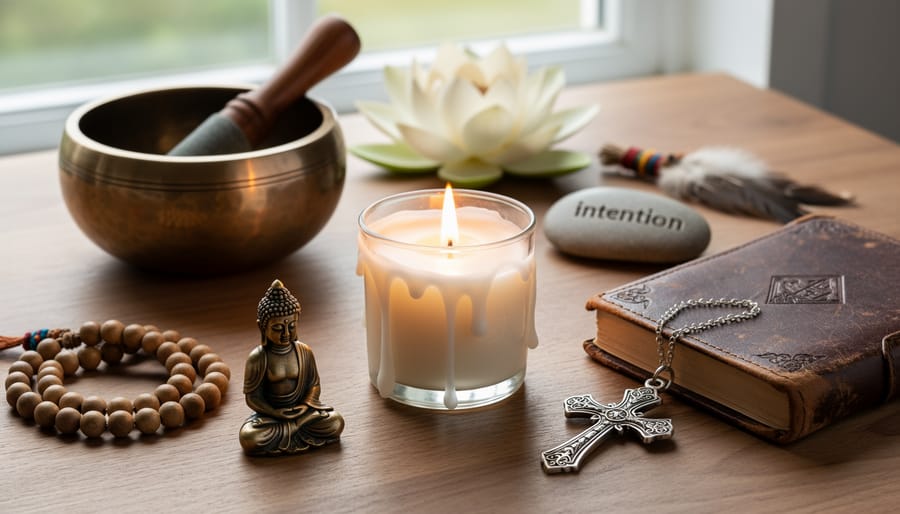
Religious and spiritual symbols naturally hold deep significance for many people. A cross, menorah, Buddha statue, or prayer beads can immediately signal the purpose of your space. But sacred objects don’t need religious context—a smooth river stone from a memorable hike, a photograph of a loved one, or meaningful textiles inherited from family can serve the same purpose.
Natural objects bring grounding energy to sacred spaces. Consider incorporating plants, crystals, shells, feathers, or pieces of driftwood. These elements connect your indoor sanctuary to the natural world and provide sensory richness.
The key is intentionality. Each object should have personal resonance rather than simply looking decorative. As you curate your space, ask yourself what each item represents and how it supports your practice. Even a simple candle becomes sacred when lit with intention, marking the transition into reflective time and creating a consistent ritual that signals to your mind and body that you’re entering sacred space.
Sensory Atmosphere: Light, Sound, and Scent
The atmosphere of your sacred space speaks to all your senses, creating an immersive experience that deepens your connection to the space. Lighting sets the foundation—natural light streaming through windows can uplift and energize, while softer options like candles or dimmed lamps create intimacy and calm. Consider installing a dimmer switch for flexible mood control throughout the day.
Sound plays an equally vital role in your sanctuary. Some prefer complete silence for meditation, while others find peace in gentle background music, nature sounds, or even a small tabletop water fountain. The key is choosing what helps you transition from daily stress into a reflective state of mind.
Scent powerfully anchors us in the present moment and triggers emotional responses. Incense, essential oil diffusers, or fresh flowers can transform ordinary air into something sacred. Different scents serve different purposes—lavender for relaxation, sage for cleansing, citrus for energy. The role of scent in home design extends beyond aesthetics to influence our psychological state.
Experiment with combinations that resonate with you personally. Your sensory choices should feel intentional yet authentic to your practice.
Creating Your Own Sacred Space: A Practical Approach
Choosing the Right Location in Your Home
Finding the perfect spot for your sacred space doesn’t require a dedicated room. Start by observing your home’s natural rhythms throughout the day. Notice where morning light streams in, or identify quiet corners that feel naturally peaceful.
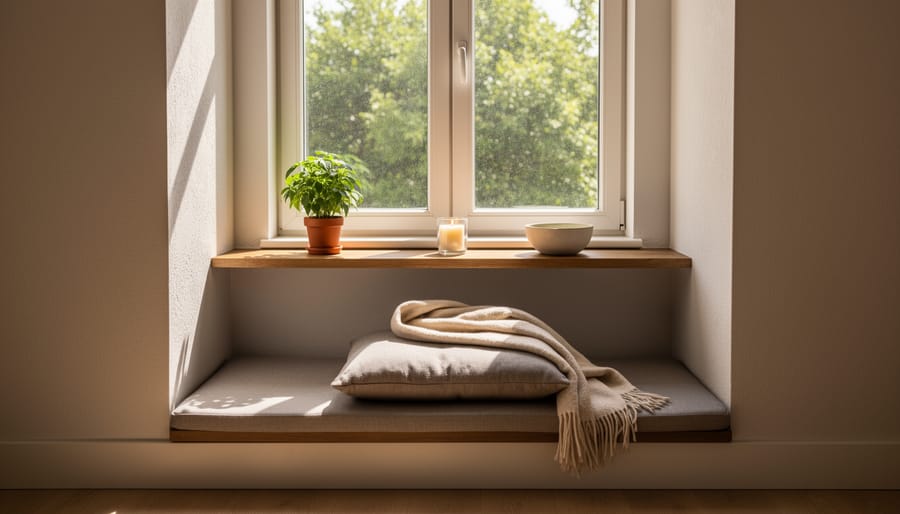
Consider these practical locations: an unused closet can become an intimate meditation nook with the door removed or left partially open. Window seats or windowsills offer natural light and views that connect you to the outdoors. A corner of your bedroom, separated by a folding screen or bookshelf, provides easy daily access. Guest rooms between visits, under staircases, or even a section of your garage can work beautifully.
Traffic flow matters significantly. Avoid high-traffic hallways or spaces adjacent to noisy appliances. Privacy is essential, whether that means a door you can close or simply a spot where household members understand not to interrupt.
For outdoor sacred spaces, consider covered patios, garden corners, or even a designated spot under a favorite tree. The key is choosing somewhere you’ll actually use, a place that feels naturally calm and accessible to your daily routine.
Starting Small: Budget-Friendly Sacred Space Ideas
Creating a sacred space doesn’t require a hefty budget or major renovations. Start with what you already have at home. That small corner table gathering dust can become a meaningful altar with a simple cloth covering and a few intentional objects. Repurpose a bookshelf by clearing one dedicated shelf for your sacred items, creating an elevated focal point without purchasing new furniture.
DIY enthusiasts can transform basic wooden crates or stacked books into tiered display platforms. Add a thrift store mirror to reflect light and create depth, or frame meaningful quotes using inexpensive frames from discount stores. Natural elements like stones from your garden, branches, or flowers bring beauty without cost.
For seating, floor cushions made from old throw pillows or a folded blanket work perfectly for meditation. String lights or a single candle provide ambiance for just a few dollars. Remember, the space’s meaning comes from your intention, not the price tag. Focus on items that genuinely resonate with you rather than elaborate decorations. Even a windowsill arranged with care can become a powerful daily touchpoint for reflection and renewal.
Maintaining the Sacred Quality Over Time
A sacred space loses its power when it becomes a dumping ground for everyday clutter. Commit to a simple weekly ritual—perhaps five minutes every Sunday—to tidy, dust, and reset your space. This regular maintenance prevents the accumulation of random items that don’t belong.
Consider refreshing your space seasonally by rotating textiles, changing candles, or introducing fresh flowers that align with the current time of year. These small updates keep the area feeling intentional rather than stale or forgotten.
Establish clear boundaries about what enters this space. If it’s meant for meditation or reflection, resist the urge to store yoga mats, books, or other items there between uses. Empty space is part of what makes it sacred.
Create a closing ritual after each use—straightening cushions, extinguishing candles safely, or simply pausing to express gratitude. This practice reinforces the space’s special purpose and trains your mind to transition between sacred and everyday activities. Consistency matters more than perfection in preserving your sanctuary’s transformative quality.
Creating a sacred space isn’t reserved for religious scholars or spiritual experts. It’s for everyone who seeks a moment of peace, reflection, or connection in their daily life. Whether you follow a specific faith tradition or simply need a quiet corner to breathe and reset, the act of intentionally designing a space for mindfulness holds profound value. The beauty of sacred spaces lies in their flexibility and personal nature. Your sacred space might be a meditation corner with cushions and candles, a reading nook filled with meaningful books, or even a simple windowsill arrangement that brings you joy each morning.
The most important step is simply beginning. Start small if needed. Clear a corner, add something meaningful, and notice how it changes your relationship with that space. As you create your own sacred space, you’re not just rearranging furniture or adding decor. You’re claiming territory for what matters most to you, creating a physical reminder to pause, reflect, and reconnect with yourself. Your home deserves these intentional moments of meaning, and so do you.