Why a 6ft Outdoor Privacy Screen Transforms Your Backyard (And Which One to Choose)
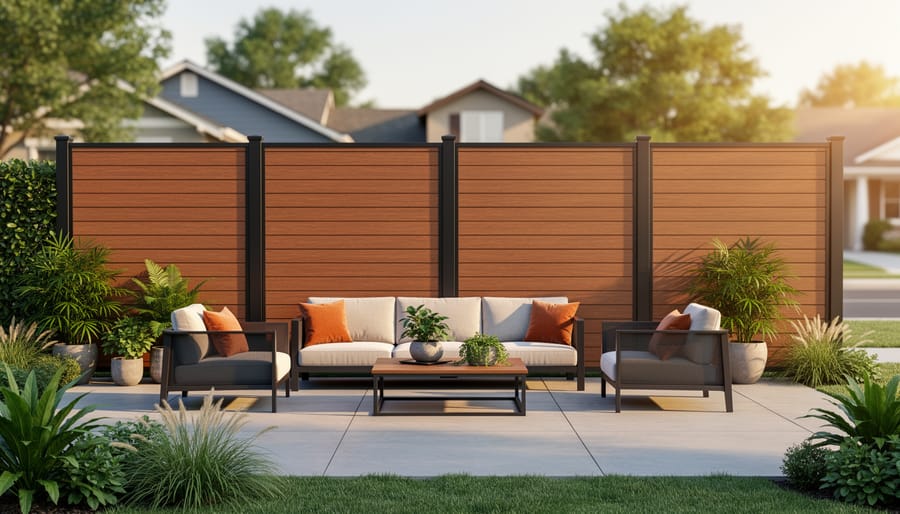
A 6-foot outdoor privacy screen hits the sweet spot for most residential yards—tall enough to block sightlines from neighboring properties while staying within typical HOA restrictions and building codes. This height creates an intimate outdoor sanctuary where you can relax, entertain, or work without feeling exposed, transforming open spaces into comfortable retreats that feel like extensions of your indoor living areas.
Whether you’re screening off a patio from street traffic, creating separation between properties, or establishing distinct zones within your landscape, you’ll find solutions ranging from instant freestanding panels to permanent planted barriers. Modern backyard privacy solutions now include weather-resistant materials like composite wood, decorative metal screens, and fast-growing bamboo that deliver both function and style without breaking your budget.
The beauty of 6-foot screens lies in their versatility. They’re manageable for DIY installation, available in portable configurations for renters, and offer enough coverage for most privacy needs without creating a fortress-like feel. You’ll discover options that complement any design aesthetic while providing the seclusion you need to fully enjoy your outdoor space year-round.
Why 6 Feet Is the Perfect Height for Outdoor Privacy
There’s a reason why six feet has become the gold standard for privacy screening, and it’s not just a random number. This height hits that sweet spot where function meets form in the most practical way possible.
When you’re designing outdoor living spaces, a 6-foot screen effectively blocks sightlines from neighbors whether you’re standing, sitting on patio furniture, or relaxing in a lounge chair. Most people’s eye level ranges from 5 to 6 feet when standing, so this height creates genuine privacy without feeling like you’ve built a fortress around your yard.
From a practical standpoint, 6 feet is typically the maximum height allowed by most HOA regulations and local zoning ordinances without requiring special permits. This means you can install your privacy solution with confidence, avoiding potential headaches with neighborhood associations or city codes.
The aesthetic appeal matters too. A 6-foot screen provides security and seclusion while maintaining an open, breathable feel in your outdoor space. Go much taller, and your yard can start feeling closed-in or cave-like, especially in smaller properties. This height maintains just enough visual connection with your surroundings to keep things feeling natural.
Installation is also more manageable at this height. Panels are easier to handle, posts require less deep footings, and wind load concerns are minimized compared to taller structures. You get maximum privacy benefits without the engineering challenges that come with going higher.

Types of 6ft Outdoor Privacy Screens
Freestanding Privacy Screens
Freestanding privacy screens offer the ultimate flexibility for creating private outdoor spaces without commitment. These portable panels are perfect if you’re renting, frequently rearranging your patio layout, or simply want a no-drill solution. You can reposition them as needed, take them with you when you move, or store them away during off-season months.
Material options abound to match any outdoor aesthetic. Wood screens bring natural warmth and texture, though they require occasional maintenance to prevent weathering. Metal options, particularly powder-coated aluminum or steel, deliver contemporary style with excellent durability and minimal upkeep. Fabric screens mounted on sturdy frames offer softness and come in countless colors and patterns, making them ideal for adding personality to your space. Composite materials combine the best of both worlds, providing wood-like appearance with weather-resistant performance.
Most freestanding screens feature weighted bases or support feet to ensure stability in moderate wind conditions. For added security, look for models with ground stakes or the option to connect multiple panels together. This creates a more substantial barrier while maintaining portability. Many designs fold accordion-style for compact storage, and some even include wheels for effortless repositioning around your deck or patio.
Retractable and Folding Screens
Retractable and folding screens offer the ultimate flexibility for outdoor spaces that serve multiple purposes. These versatile privacy solutions let you create an instant retreat when needed, then tuck away completely when you want an open, airy feel. Think of them as the Swiss Army knife of outdoor privacy—perfect for patios that transition from private morning coffee spots to entertaining spaces by evening.
Modern retractable screens come in two main styles: side-pull models that extend horizontally from a mounted post, and accordion-style panels that fold flat against a wall or fence. Side-pull options are particularly popular for wrapping around deck corners or defining specific zones without permanent installation. Many feature UV-resistant mesh or fabric that blocks both views and harsh sunlight.
For DIY installation, look for models with easy-mount brackets and clearly marked extension guides. Most retractable screens can be installed in under an hour with basic tools—just ensure your mounting surface is sturdy enough to handle the tension when fully extended. Premium models include ground stakes or weighted bases for freestanding placement, eliminating the need for drilling altogether.
Folding screens typically feature weather-resistant panels connected by rust-proof hinges, making them incredibly portable. Position them poolside for changing privacy, use them to block wind during gatherings, or store them completely during winter months. This adaptability makes them ideal for renters or anyone who likes changing their outdoor layout seasonally.
Permanent Panel Systems
For a more lasting solution, permanent panel systems offer durability and structural integrity that can transform your outdoor space for years to come. These fixed installations attach directly to posts embedded in concrete or connect to existing fences and structures, creating a solid privacy barrier that withstands weather and time.
Cedar slats remain a popular choice, providing natural beauty and rot resistance while aging into an attractive silver-gray patina. For a DIY installation, you’ll need pressure-treated 4×4 posts set in concrete footings, then attach horizontal rails between posts before securing vertical slats with galvanized screws. Space slats according to your desired privacy level, typically 1/4 to 1/2 inch apart.
Vinyl panels deliver exceptional low-maintenance performance, never requiring paint or stain while resisting fading and moisture damage. Most vinyl systems feature interlocking panels that snap together, making installation straightforward even for beginners.
Metal lattice screens add contemporary flair, with powder-coated aluminum or steel options available in various patterns and colors. These work beautifully in modern landscapes and provide excellent ventilation while still blocking sightlines.
Composite boards combine recycled materials with synthetic binding agents, offering wood’s aesthetic appeal without the upkeep. They’re particularly ideal for areas with harsh weather conditions, as they won’t warp, crack, or splinter over time.
Living Privacy Screens
For a greener approach to privacy, living screens offer an eco-friendly alternative that improves with time. These solutions combine sturdy trellis frameworks with nature’s beauty, using climbing plants and vines to create lush, natural barriers that reach the ideal 6ft height.
Choose frames made from weather-resistant materials like powder-coated steel, vinyl, or treated wood that can support plant growth for years. Popular climbing options include clematis, honeysuckle, or fast-growing ivy varieties that quickly fill in gaps. For year-round privacy, consider evergreen climbers like star jasmine or Carolina jessamine.
Keep in mind that living screens require patience and maintenance. Initial setup is straightforward—anchor your trellis securely, plant your selections at the base, and guide early growth with garden ties. Plan for regular watering during establishment and seasonal pruning to maintain density. While they take longer to reach full coverage than solid screens, the result is a stunning, oxygen-producing privacy solution that attracts pollinators and enhances your outdoor space naturally.
Outdoor Curtains and Fabric Panels
Outdoor curtains and fabric panels bring a softer, more elegant approach to privacy screening while maintaining impressive weather resistance. These flowing alternatives to rigid panels create a resort-like atmosphere and work beautifully on patios, pergolas, and covered porches where you want flexible privacy control.
Modern outdoor fabrics are engineered to withstand sun, rain, and mildew, with options including weather-treated polyester, solution-dyed acrylic, and specially coated canvas. Most manufacturers use fade-resistant dyes and water-repellent finishes that keep curtains looking fresh season after season. The 6ft height pairs perfectly with standard patio door openings and pergola posts, creating seamless visual transitions from indoor to outdoor spaces.
Installation couldn’t be simpler. Mount a sturdy outdoor curtain rod or track system to your existing structure, then clip or slide the panels into place. Many homeowners opt for grommeted panels that glide smoothly for easy opening and closing. For windy locations, add tie-backs or weighted hems to keep panels secure.
The customization possibilities are endless. Choose light-filtering sheers for gentle privacy or blackout fabrics for complete seclusion. Mix colors to complement your outdoor furniture, or switch panels seasonally for fresh looks without major renovations.
Material Matters: Choosing What Lasts
Wood vs. Composite vs. Metal
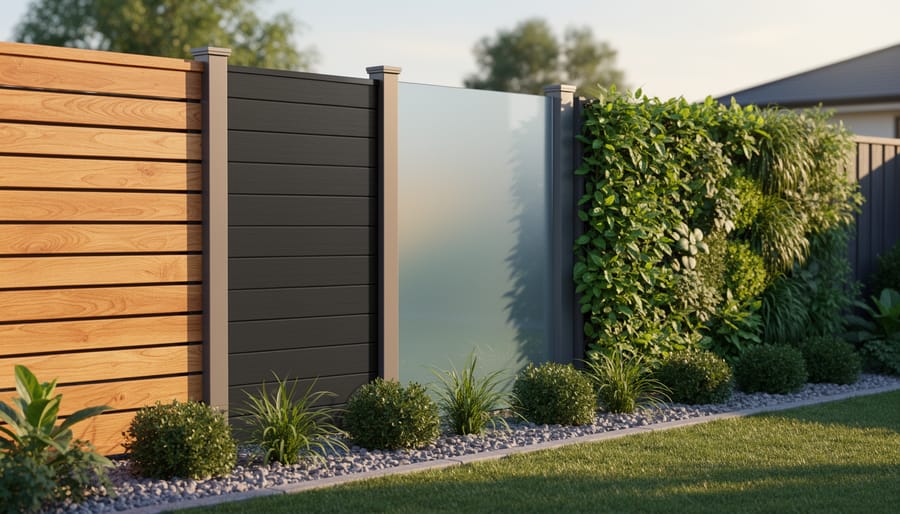
Choosing the right material for your 6ft outdoor privacy screen impacts everything from your wallet to your weekend plans. Let’s break down the three most popular options to help you make the best choice for your space.
Wood brings natural warmth and classic appeal to any outdoor area. Cedar and redwood naturally resist rot and insects, lasting 15-20 years with proper care. You’ll need to stain or seal wood screens every 2-3 years to maintain their appearance and durability. Expect to invest $300-$800 for a 6ft wood screen. Wood works beautifully in traditional garden settings and pairs perfectly with natural landscaping.
Composite materials blend wood fibers with recycled plastics, offering the look of wood without the maintenance headaches. These screens can last 25-30 years and only require occasional soap-and-water cleaning. While the upfront cost runs higher at $500-$1,200, you’ll save time and money on maintenance. Composite screens shine in modern outdoor living spaces and hold up exceptionally well in harsh climates with extreme temperatures or humidity.
Metal screens, particularly aluminum and powder-coated steel, deliver contemporary style with serious durability. They’ll last 20-30 years with minimal upkeep beyond periodic hosing down. Prices range from $400-$1,000 depending on design complexity. Metal excels in contemporary settings, poolside installations, and coastal areas where salt air would damage other materials. They’re also your lightest option, making DIY installation more manageable.
Consider your climate, design preferences, and maintenance willingness when selecting your material. Each option offers distinct advantages for creating your perfect outdoor retreat.
Weather-Resistant Fabrics and Bamboo
If you’re looking for budget-friendly or eco-conscious alternatives, weather-resistant fabric and bamboo screens offer excellent versatility. Polyester and canvas fabrics designed for outdoor use provide lightweight privacy at a fraction of metal or wood costs, typically ranging from $40-$150 for a 6ft screen. These materials resist fading and mildew when treated properly, making them ideal for renters or those wanting seasonal flexibility. Simply roll them up and store during harsh weather to extend their lifespan.
Bamboo screens bring natural beauty with sustainability benefits. These fast-growing renewable materials create an organic aesthetic perfect for garden settings while maintaining durability in various climates. Expect to pay $60-$200 depending on thickness and construction quality.
Maintenance is straightforward for both options. Fabric screens need occasional washing with mild soap and water, while bamboo benefits from annual sealing with weatherproof stain to prevent splitting. Check mounting hardware every few months to ensure stability, especially after storms. For DIY enthusiasts, fabric screens often come with simple frame systems requiring minimal tools—just attach the panels to your existing fence or freestanding base. These materials work particularly well for temporary setups or spaces where permanent installations aren’t feasible.
Where and How to Position Your Privacy Screen
Getting your privacy screen positioned just right makes all the difference between a functional addition and a true outdoor sanctuary. Let’s walk through the key factors to consider when planning your placement.
Start by identifying your main privacy concerns. Walk around your outdoor space at different times of day, noting where neighbors have sightlines into your yard or where you feel most exposed. These are your priority zones. Stand where you typically relax or entertain, and mark the angles that need screening. A 6ft screen effectively blocks views from ground level and slightly elevated positions like second-story windows, but you’ll want to account for the viewing angle.
Sun exposure deserves careful thought too. If you’re dealing with harsh afternoon sun, positioning your screen to create shade can serve double duty. Track the sun’s path across your space—morning sun from the east might be welcome, while western exposure often needs blocking. Your privacy screen can act as a natural sun barrier during peak heat hours.
Wind direction matters more than most people realize. Privacy screens can provide welcome wind protection for dining areas or create calmer zones for conversation. However, solid panels in high-wind areas need secure anchoring. Consider the prevailing wind patterns in your region and whether you need gaps or lattice sections for airflow.
Before finalizing placement, check your local property line regulations. Most areas require structures to sit a certain distance from boundary lines, and some neighborhoods have height restrictions or design guidelines. A quick call to your local building department can save headaches later.
Think about creating distinct zones within your outdoor space. A well-placed privacy screen can separate a dining area from a play zone, define a meditation corner, or hide utility areas like trash bins or air conditioning units. This strategic positioning transforms a single backyard into multiple purposeful rooms.
DIY Installation Guide for 6ft Privacy Screens
Tools and Materials You’ll Need
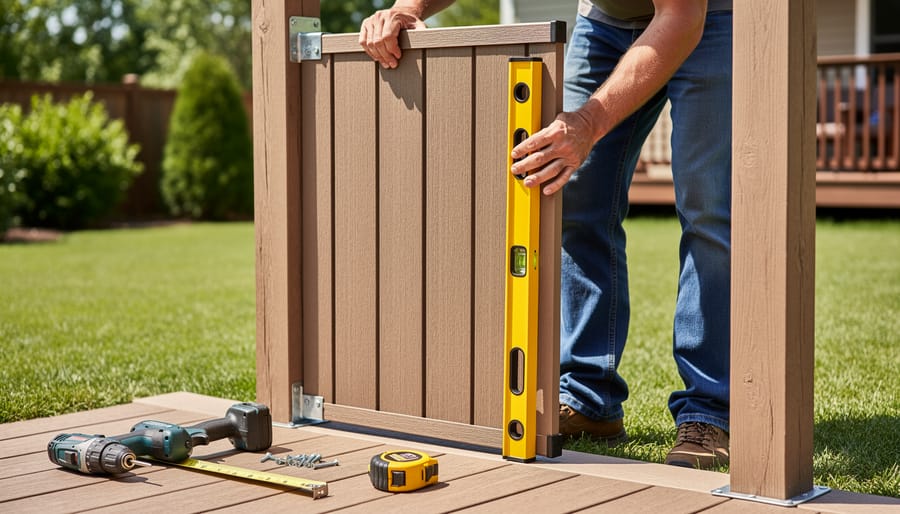
Before you start your privacy screen project, gather these essential items to ensure a smooth installation. For freestanding screens, you’ll need minimal tools—just a level and possibly anchoring stakes or weighted planters for stability. If you’re mounting to a deck or fence, grab a power drill with appropriate bits, measuring tape, pencil, and stainless steel screws or brackets suitable for outdoor use. Post-mounted installations require more equipment: post hole digger or auger, quick-setting concrete, shovel, and wood or metal posts. Safety gear is crucial regardless of your installation type—wear work gloves to protect your hands, safety glasses when drilling or digging, and sturdy closed-toe shoes. Keep a step ladder handy if you’re working above ground level. For most projects, you’ll also want a rubber mallet for gentle adjustments and a carpenter’s square to ensure everything stays properly aligned during installation.
Installing Freestanding Screens
Setting up freestanding privacy screens is refreshingly straightforward—most designs unfold or connect in minutes without any tools required. Start by choosing a level surface where your screen will stand. Many models feature interlocking panels that simply unfold accordion-style, while others use connector hinges you snap together.
For stability, position your screen on solid ground rather than soft grass or gravel. Some portable screens include ground stakes that push into soil for added security—these are lifesavers on breezy days. If you’re setting up on a deck or patio, consider weighted bases filled with sand or water to anchor your screen against wind gusts.
In particularly windy areas, you can also tie screens to nearby deck railings or furniture using weather-resistant cord. Test your screen’s stability by giving it a gentle shake before leaving it unattended. For seasonal storage, most freestanding screens fold flat and tuck neatly into garages or sheds, making them perfect for renters or those who like flexibility in their outdoor layout.
Permanent Panel Installation Step-by-Step
Installing your 6ft outdoor privacy screen permanently requires some planning, but the results are well worth the effort. Here’s how to tackle this weekend project with confidence.
Start by marking your post locations. Space posts 6-8 feet apart depending on your panel width, and use string lines to ensure they’re perfectly aligned. Dig post holes approximately 2-3 feet deep—a good rule of thumb is burying one-third of the total post height for stability.
Before setting posts in concrete, check that they’re plumb using a level on two adjacent sides. This step is crucial for preventing wobbly panels later. Mix your concrete according to package directions and pour around each post, then recheck your level as the concrete begins to set. Allow 24-48 hours for complete curing.
Once your posts are secure, it’s time to attach the panels. Position the first panel against your posts and use a level to ensure it’s straight horizontally. Most 6ft panels attach with galvanized screws or mounting brackets—pre-drill holes to prevent wood from splitting. Secure the panel at top, middle, and bottom points for maximum support.
Continue installing remaining panels, checking level frequently. If you notice gaps between panels, use wood filler or caulk for a seamless appearance.
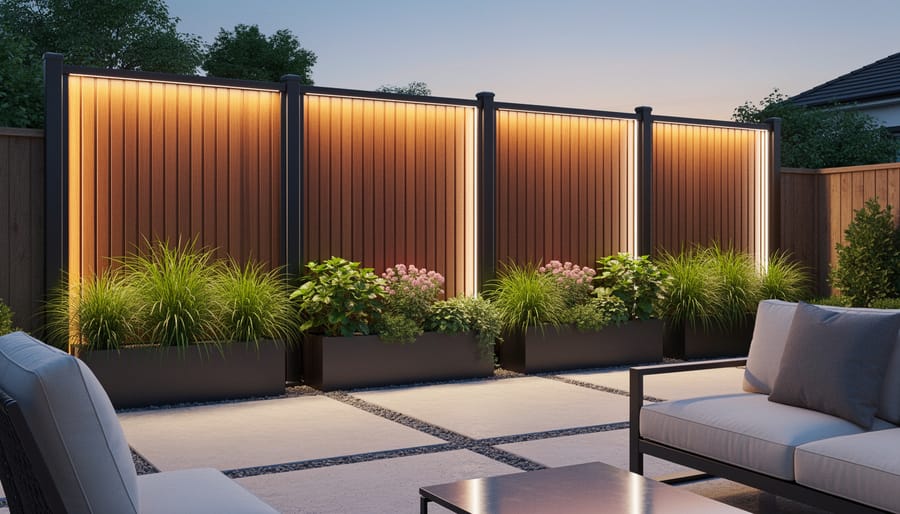
For finishing touches, apply weather-resistant stain or sealant to protect your investment from the elements. Add decorative post caps to prevent water damage and enhance curb appeal. Consider installing solar-powered lights along the top for evening ambiance and added security. This practical upgrade transforms your privacy screen into an attractive outdoor feature.
Enhancing Your Privacy Screen with Design Elements
Your 6ft privacy screen doesn’t have to be just functional—it can become a stunning design feature that elevates your entire outdoor space. With a few creative touches, you can transform a simple barrier into an eye-catching focal point that reflects your personal style.
Lighting is one of the most impactful ways to enhance your privacy screen. String lights draped along the top create instant ambiance for evening gatherings, while solar-powered spotlights positioned at the base can highlight interesting textures or plantings. For a more sophisticated approach, consider installing LED strip lights behind lattice panels for a dramatic backlit effect. These outdoor lighting integration ideas work especially well with slatted or perforated screen designs.
Planters offer another versatile decorating option. Attach window boxes or hanging planters directly to your screen to create a living wall of cascading vines, colorful flowers, or fresh herbs. This approach softens the structure while adding depth and seasonal interest. For ground-level options, place tall planters at intervals along the screen’s base to break up long stretches and introduce varying heights.
Paint and stain choices can dramatically alter your screen’s appearance. While natural wood tones provide timeless appeal, don’t shy away from bold colors that complement your home’s exterior or garden palette. Two-tone designs—painting the frame one color and panels another—add visual complexity. Weathered finishes or ombre effects create artistic flair for those wanting something truly unique.
Mixed-material combinations push creativity further. Pair wooden frames with metal inserts, alternate solid panels with fabric sections, or incorporate decorative glass blocks for light transmission without sacrificing privacy. These combinations add texture and dimension while allowing you to customize the screen’s opacity based on specific needs. The key is maintaining balance—let one material dominate while others serve as accents to avoid a cluttered appearance.
Shopping Smart: What to Look for When Buying
Before you click “buy now,” let’s make sure you’re getting the best outdoor privacy screen for your needs and budget. A little homework upfront saves headaches down the road.
Start by setting a realistic budget. Basic fabric screens typically run $50-$150, while quality wood or composite panels range from $150-$400. Metal designs often fall between $200-$500. Remember that cheaper isn’t always better—a screen that falls apart after one season wastes money.
Warranty coverage reveals manufacturer confidence in their product. Look for at least a one-year warranty on structural components, with better options offering 3-5 years. Premium screens often include fade-resistant guarantees for 2-3 years, which matters if you’re investing in appearance.
Consider assembly requirements honestly. Some screens arrive fully assembled and simply unfold, while others require 30-60 minutes of DIY work. Check customer reviews specifically mentioning assembly difficulty—if multiple people struggled, you probably will too. Look for pre-drilled holes, included hardware, and clear instructions with diagrams.
Portability needs matter more than you might think. If you’ll move your screen seasonally or rearrange your outdoor space, prioritize lightweight materials and foldable designs. Wheeled bases add convenience but increase cost by $30-$80.
Watch for these red flags: flimsy frames that bend easily, fabric with visible thin spots, rust on “rust-resistant” hardware in product photos, missing hardware specifications, and overwhelmingly negative reviews about durability. Also beware of suspiciously cheap prices—quality materials cost money.
Finally, verify return policies before purchasing. A 30-day return window gives you time to test your screen outdoors and ensure it meets expectations. Your outdoor space deserves a privacy solution that actually works.
Maintenance Tips to Keep Your Screen Looking Great
Keeping your 6ft outdoor privacy screen in top condition doesn’t require much effort, but a little regular care goes a long way. Start by giving your screen a gentle cleaning every few months—most materials do well with simple soap and water. For vinyl or composite screens, use a soft brush and mild detergent to remove dirt and debris. Wooden screens benefit from an annual inspection for splinters or rot, followed by a fresh coat of weather-resistant sealant or stain to protect against moisture damage.
Different seasons bring different challenges. Before winter arrives, check for loose fasteners and reinforce any wobbly sections. If you live in an area with heavy snow, consider removing fabric screens or reinforcing metal frames to prevent warping. Spring is the perfect time for a thorough cleaning and touch-ups—power wash vinyl screens on a low setting and repaint or reseal wooden ones as needed.
For fabric screens, watch for mildew growth in humid climates. A solution of water and white vinegar works wonders for prevention and removal. Metal screens may develop rust spots over time; treat these immediately with rust-inhibiting primer and matching paint.
Know when to repair versus replace. Small tears, minor rust, or loose panels are usually fixable with basic DIY skills. However, extensive rot in wooden screens, severe structural damage, or widespread deterioration means it’s time for a replacement. Catching issues early through regular maintenance saves money and extends your screen’s lifespan significantly—most well-maintained privacy screens last 10-15 years or more.
Choosing the right 6ft outdoor privacy screen can truly transform your outdoor living experience. Whether you’re looking to create a peaceful retreat, block unsightly views, or simply add some stylish definition to your yard, there’s a perfect solution waiting for you. The beauty of transforming your backyard with a privacy screen is that it’s achievable regardless of your budget or DIY skill level.
Take time to assess your specific needs. Consider your climate, maintenance preferences, desired aesthetic, and whether you want a permanent or portable solution. Remember that material choices range from budget-friendly fabric screens to premium composite panels, and installation can be as simple as unfolding a freestanding screen or as involved as setting posts in concrete.
The good news? You don’t need to be a professional contractor to achieve professional-looking results. With the right materials, basic tools, and a weekend afternoon, you can create the private outdoor oasis you’ve been dreaming about. Your perfect privacy solution is out there, so start planning your project today and enjoy the peace and seclusion you deserve.