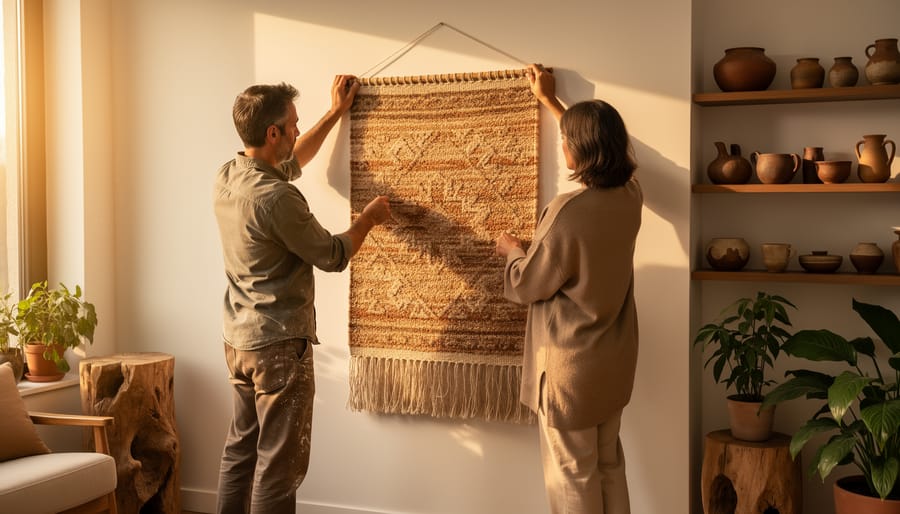
How Craft Communities Are Transforming Your Home Into a Story Worth Telling
Connect with makers who transform raw materials into meaningful home pieces by joining online platforms like Instagram and Facebook, where artisans showcase their work through hashtags like #craftcommunity and #handmadedecor. These digital spaces let you discover independent creators, view their portfolios, and communicate directly about custom artisanal decor that fits your vision.
Visit local craft fairs, maker markets, and artisan co-ops in your area to meet craftspeople face-to-face, examine their techniques up close, and build relationships that go beyond a single transaction. These in-person connections often lead to commissioned work tailored specifically to your space.
Explore platforms like Etsy, Makers Market, and Handmade at Amazon, which function as digital craft communities where thousands of artisans sell their work while sharing their creative processes through shop stories and behind-the-scenes content.
Join crafting groups yourself through community centers, local guilds, or online forums like Ravelry and Craftster, where both beginners and experienced makers share techniques, troubleshoot projects, and celebrate handmade culture. Whether you’re sourcing unique pieces or learning to create them yourself, craft communities offer authentic alternatives to mass-produced decor while supporting individual makers and preserving traditional skills.
What Makes Craft Communities Different From Shopping at Big-Box Stores
When you walk into a big-box store, you’re greeted by rows of identical mass-produced items, designed for broad appeal and maximum profit margins. Craft communities offer something entirely different: a shopping experience built on human connection and authenticity.
The most significant distinction lies in the relationship between maker and buyer. When you purchase from an artisan, you’re often communicating directly with the person who created your piece. You can ask questions about materials, request modifications, and understand the story behind each item. This transparency is rarely possible when buying from large retailers, where products pass through multiple intermediaries before reaching store shelves.
Customization sets craft communities apart in meaningful ways. Artisans can adjust dimensions, colors, finishes, and design elements to match your specific vision. Need a coffee table that’s two inches shorter to fit your space? An artisan can make that happen. Want your wall hanging in colors that complement your existing palette? Just ask. Big-box stores offer what’s on the shelf, take it or leave it.
Quality represents another crucial difference. Artisans practicing traditional craftsmanship typically use superior materials and time-tested techniques that prioritize longevity over speed. They stake their reputation on each piece, creating items meant to last decades rather than seasons.
The making process itself is visible and celebrated in craft communities. Many artisans welcome studio visits, share work-in-progress photos, or demonstrate their techniques at markets. This transparency builds trust and helps you appreciate the skill involved in creating your decor. It transforms purchasing from a simple transaction into a meaningful exchange that supports individual livelihoods and preserves valuable skills.

Where to Find Authentic Craft Communities Near You (and Online)
Local Markets and Maker Spaces
Finding craft communities in your local area is easier than you might think. Start by visiting farmers markets and art fairs in your neighborhood, where artisans often sell their handmade goods and connect with customers. These events provide a wonderful opportunity to meet makers face-to-face, learn about their creative processes, and discover unique pieces for your home.
Check community centers, libraries, and local colleges for maker spaces and craft workshops. These collaborative environments welcome everyone from beginners to experienced crafters, offering access to tools, materials, and like-minded individuals. Many maker spaces host open house events where you can tour facilities and meet members before committing.
Search online for artisan co-ops and craft guilds in your area. These organizations often maintain directories of local makers and host regular exhibitions. Local craft stores and home improvement centers frequently post flyers about workshops and community events on their bulletin boards.
Don’t overlook social media groups and neighborhood apps like Nextdoor, where local crafters share upcoming markets and studio open houses. Many artisans also participate in annual studio tours, giving you behind-the-scenes access to their creative spaces and the chance to commission custom pieces that perfectly complement your home’s aesthetic.
Digital Craft Communities Worth Following
The digital age has made it easier than ever to connect with talented artisans from around the world. Instagram has become a hotspot for discovering makers—try searching hashtags like #handmadehome, #artisandecor, or #craftcommunity to find creators whose style speaks to you. Many artisans showcase their process through Stories and Reels, giving you an inside look at how your potential piece comes to life.
Facebook groups dedicated to handmade home decor create vibrant communities where members share finds, ask questions, and connect directly with makers. Groups like “Handmade Home Decor Lovers” and regional craft communities offer both inspiration and shopping opportunities.
Virtual marketplaces have revolutionized how we shop for artisan goods. Etsy remains the go-to platform for handcrafted items, with powerful search filters to find exactly what you need. UncommonGoods curates unique pieces from independent creators, while platforms like Artful Home specialize in high-end artisan furniture and decor.
Don’t overlook Pinterest for discovering new makers—it’s excellent for both inspiration and tracking down specific artisans through linked profiles. Many creators also maintain email newsletters where they announce new collections and offer subscriber-exclusive pieces.
The Real Benefits of Choosing Community-Driven Artisanal Decor
Pieces That Actually Reflect Your Personality
Mass-produced decor often leaves your home feeling like a showroom floor rather than a personal sanctuary. That’s where craft communities shine. When you work with artisans, you’re not picking from pre-selected color palettes or factory-standard dimensions. You’re getting pieces tailored to your vision.
Artisans welcome customization in ways big-box stores simply can’t match. Want a ceramic vase in that exact shade of teal that matches your vintage sofa? A woodworker who’ll build floating shelves to fit your awkward wall nook? These craftspeople thrive on bringing your specific ideas to life. You can discuss materials, dimensions, colors, and finishes directly with the maker, ensuring the final piece integrates seamlessly into your space.
The uniqueness factor goes beyond custom sizing. Handcrafted items carry the maker’s signature style and subtle variations that come from human hands. No two hand-thrown bowls are identical, no two macrame wall hangings have exactly the same knot tension. This means your home showcases one-of-a-kind pieces that guests won’t find replicated elsewhere.
For DIY enthusiasts, many craft communities offer workshops where you can learn techniques and create your own personalized pieces, blending your vision with newly acquired skills for truly distinctive results.
The Environmental and Economic Impact You’re Making
When you support craft communities, you’re making a real difference that goes beyond bringing beautiful pieces into your home. Let’s break down the positive ripple effects of your choices.
First, there’s the environmental benefit. Handcrafted items typically require far less energy to produce than mass-manufactured goods. Artisans often work from home studios or small workshops, eliminating the carbon emissions associated with large factories and long-distance shipping. Many makers embrace sustainability and eco-friendly practices, using reclaimed materials, natural dyes, and locally sourced supplies. When you buy a handwoven basket from a local artisan rather than a factory-made one shipped overseas, you’re significantly reducing your carbon footprint.
Economically, your purchases directly support small business owners and their families. Unlike big-box retailers where profits flow to corporate shareholders, money spent at craft communities stays local, strengthening your regional economy. You’re helping makers pay their mortgages, send their kids to school, and invest back into their craft.
Perhaps most importantly, you’re preserving cultural heritage. Every purchase keeps traditional techniques alive, from pottery throwing methods passed down through generations to heritage textile patterns that might otherwise disappear.
How to Work With Artisans to Create Custom Pieces for Your Space
Starting the Conversation: What Artisans Need to Know
Before reaching out to an artisan, gather the essential details that will help them bring your vision to life. Start with precise measurements of the space where you’ll display the piece—knowing exact dimensions prevents disappointment and ensures a perfect fit.
Next, consider your style preferences. Browse the maker’s portfolio and identify pieces that resonate with you, then articulate what draws you to those specific designs. Are you attracted to clean, modern lines or rustic, textured finishes? This clarity helps artisans understand your aesthetic direction.
Color schemes matter tremendously in custom work. Share photos of your room or bring paint swatches to show your existing palette. Don’t worry if you’re not a color expert—simply explaining whether you want the piece to blend seamlessly or make a bold statement gives valuable guidance.
Discuss functional requirements upfront. Will that handcrafted table need to withstand daily family meals, or is it purely decorative? Does the ceramic vase need to hold water, or will it remain empty? These practical considerations impact material choices and construction methods.
Finally, be transparent about your budget and timeline. Quality craftsmanship takes time, and custom pieces require investment. Most artisans appreciate honest communication and can often suggest alternatives if your initial vision exceeds practical constraints. This collaborative approach builds trust and leads to results you’ll treasure for years.
Setting Realistic Budgets and Timelines
When commissioning custom pieces from craft communities, understanding realistic pricing helps set proper expectations. Handmade items typically cost more than mass-produced alternatives because you’re paying for specialized skills, quality materials, and the artisan’s time. A custom ceramic vase might range from $50 to $300 depending on size and complexity, while a handwoven tapestry could start at several hundred dollars.
Most artisans require a deposit before starting work, usually 25-50% of the total cost. This protects both parties and covers initial material expenses. Don’t be surprised if craftspeople ask for full payment upfront for smaller items or when working with new clients.
Production timelines vary significantly based on the craft and current workload. Simple items might be ready in 2-4 weeks, while intricate pieces like quilts or custom furniture can take 2-6 months. During peak seasons like holiday periods, add extra time to your expectations.
When planning custom pieces for your home, communicate your deadline early and ask about rush fees if needed. Keep a buffer in your timeline for unexpected delays. Remember, quality handmade work can’t be rushed without compromising the craftsmanship that makes these pieces special. Building relationships with artisans often leads to better communication and smoother future collaborations.

DIY: Joining the Craft Community as a Creator
Beginner Projects to Get You Started
Ready to dive into the maker movement? These beginner-friendly projects are perfect for exploring your creative side and connecting with craft communities along the way.
Start with macramé wall hangings, which require minimal supplies—just cotton cord and a dowel rod. The basic square knot is easy to master, and you’ll have an Instagram-worthy piece in an afternoon. Many online craft communities offer free patterns and video tutorials to guide you through your first project.
Hand-dyeing textiles is another accessible entry point. Using natural dyes from kitchen items like turmeric, beets, or avocado pits, you can transform plain cotton napkins or tote bags into one-of-a-kind pieces. This technique connects you to traditional artisan methods while creating functional home decor.
For pottery basics, consider air-dry clay before investing in a kiln. You can hand-build small planters, decorative bowls, or sculptural pieces that complement your DIY decor projects.
Simple woodworking projects like floating shelves or picture frames require basic tools—a saw, sandpaper, and wood glue. Local maker spaces often offer equipment access and beginner workshops, making it easy to start without a full workshop at home.
Classes and Workshops That Welcome Newcomers
Finding the right class or workshop is your gateway into any craft community. Start by checking local community centers, craft stores, and libraries—many offer beginner-friendly classes in everything from pottery to weaving at affordable prices. These in-person sessions provide hands-on instruction and instant feedback, perfect for those just starting out.
For flexible learning, explore online platforms like Skillshare, Craftsy, and YouTube, where experienced artisans share step-by-step tutorials you can follow at your own pace. Many craft communities also host virtual workshops that combine live instruction with community interaction through chat features.
Don’t overlook maker spaces and art collectives in your area. These collaborative environments often provide equipment access, mentorship programs, and regular beginner workshops where newcomers learn alongside experienced crafters. The supportive atmosphere makes it easy to ask questions and build confidence.
Technology integration tip: Join craft-specific Facebook groups or Discord servers where members share workshop recommendations, free tutorials, and mentorship opportunities. Many established artisans offer one-on-one guidance through these platforms, helping you develop skills while building meaningful connections. Most communities actively welcome beginners, so don’t hesitate to introduce yourself and ask for learning resources—craft communities thrive on sharing knowledge and supporting new makers.
Mixing Artisanal Pieces With Your Existing Decor
The beauty of artisanal pieces lies in their versatility. Whether your home leans modern minimalist or traditional farmhouse, handmade items can enhance your existing aesthetic without creating visual chaos.
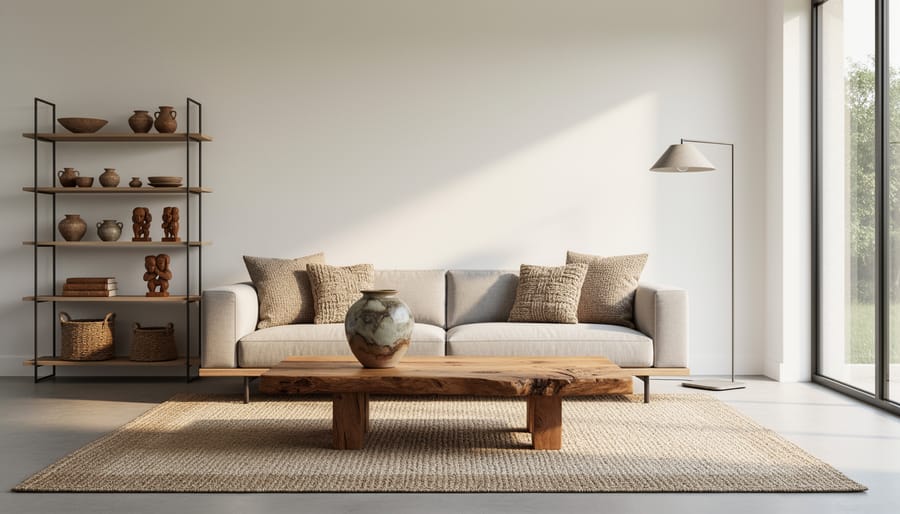
For modern interiors, think of artisanal pieces as statement accents that add warmth and personality. A single hand-thrown ceramic vase on a sleek console table or a textured woven wall hanging above a minimalist sofa creates an inviting contrast. The key is restraint. Let one or two handcrafted items shine rather than overwhelming clean lines with too many textures.
Traditional spaces naturally embrace artisanal elements, but balance remains important. Mix your grandmother’s quilt with a contemporary handmade throw pillow, or pair antique furniture with modern pottery. This approach keeps rooms feeling collected rather than dated.
Start small if you’re nervous about cohesiveness. Incorporate handmade items in functional roles first: artisan-crafted drawer pulls, a hand-poured candle on your coffee table, or a custom cutting board in the kitchen. These pieces prove their worth through daily use while adding character.
Color coordination makes integration seamless. Pull accent colors from your existing palette when selecting handcrafted textiles or ceramics. A room dominated by grays and whites benefits from pottery in those same neutral tones, even if the texture differs dramatically from machine-made items.
Create intentional vignettes by grouping three to five objects of varying heights and textures. Combine a handmade item with familiar pieces you already own. This styling technique helps new artisanal additions feel purposeful rather than randomly placed.
Remember that imperfections tell stories. The slightly uneven glaze on handmade pottery or the natural variations in woven baskets add authenticity that mass-produced items lack. These quirks become conversation starters and give your space genuine character that reflects thoughtful curation rather than catalog-perfect uniformity.
Craft communities offer so much more than beautiful objects for your shelves—they’re gateways to connection, sustainability, and authentic living. When you bring handmade pieces into your home, you’re not just decorating; you’re supporting local economies, preserving traditional skills, and reducing your environmental footprint. Each artisanal item carries a story, transforming your living space from a generic setting into a reflection of your values and the people whose work you admire.
Whether you’re browsing local markets, scrolling through online platforms, or picking up a new skill yourself, engaging with craft communities enriches your relationship with your surroundings. These connections remind us that our homes can be thoughtful, intentional spaces filled with meaning rather than mass production.
Ready to get started? Explore craft fairs in your area, join online maker groups, or commission a custom piece that speaks to you. Consider trying a DIY project to experience the creative process firsthand. Your home deserves the warmth and character that only handcrafted artistry can provide—and you might just discover a passionate community waiting to welcome you.