Glass Etch Designs Transform Your Home with Smart Tech Precision
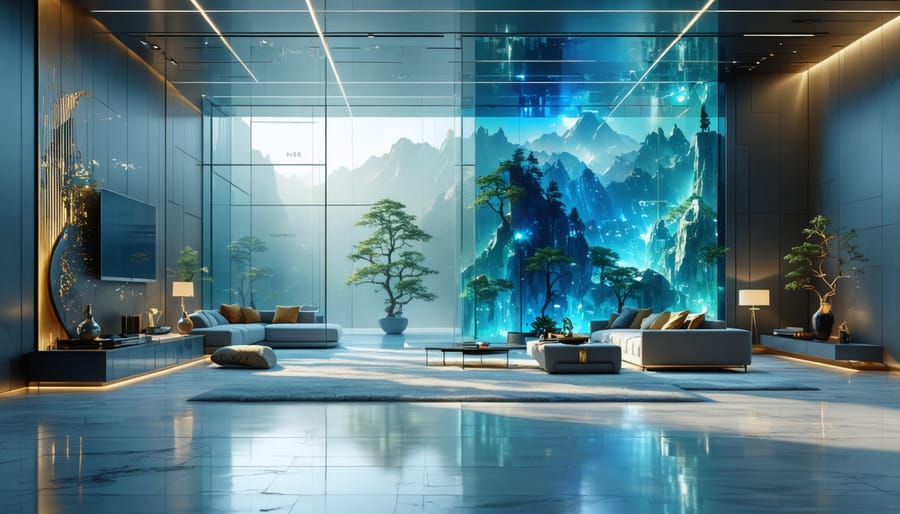
Transform ordinary glass surfaces into stunning works of art through glass etching, a versatile technique that seamlessly blends traditional craftsmanship with modern tech-enhanced decor. From frosted privacy panels to intricate decorative elements, glass etching offers endless possibilities for customizing windows, doors, mirrors, and architectural features. Whether you’re a DIY enthusiast exploring creative home improvements or a professional designer seeking innovative solutions, modern glass etching combines digital precision with timeless elegance. Today’s advanced techniques incorporate everything from computer-aided designs to smart glass technology, allowing for unprecedented detail and functionality while maintaining the classic appeal of etched glass. This fusion of artistry and innovation has revolutionized how we approach interior design, creating spaces that are both visually striking and practically purposeful.
Smart Technology Meets Traditional Glass Etching
Digital Design Software and Tools
Modern digital design tools have revolutionized the way we create glass etch patterns, making it easier than ever to develop custom designs. Popular software options like Adobe Illustrator and CorelDRAW offer precise vector-based drawing capabilities perfect for creating intricate etch patterns. For beginners, free alternatives such as Inkscape provide similar features without the investment, making them ideal for DIY projects.
These digital tools are part of a broader trend incorporating innovative decorative materials into home design. Most programs offer user-friendly features like pattern libraries, customizable templates, and the ability to import and modify existing designs. This makes it simple to adjust size, complexity, and spacing to match your specific needs.
For those new to digital design, tablet-based apps like Procreate offer intuitive drawing interfaces that feel more natural. Once your design is complete, these programs can export files in formats compatible with vinyl cutters or professional etching equipment, bridging the gap between digital creativity and physical application.

Laser Etching Technology
Modern laser etching has revolutionized the way we create designs on glass, offering incredible precision and versatility that traditional methods can’t match. Using computer-controlled lasers, this technology can produce intricate patterns, text, and images with remarkable detail and consistency.
The process works by using a focused laser beam that creates microscopic fractures on the glass surface, resulting in a frosted appearance. Unlike chemical etching, laser technology is environmentally friendly and doesn’t require harmful chemicals. The equipment typically includes a CO2 laser machine with specialized software that translates digital designs into etching instructions.
What makes laser etching particularly appealing is its ability to handle complex designs with multiple depth levels and varying opacities. The process is also much faster than traditional methods, making it ideal for both small custom projects and large-scale commercial applications.
For homeowners and designers, laser etching opens up endless possibilities for personalized glass features, from custom shower doors to decorative windows. The technology allows for precise control over the depth and texture of the etching, creating stunning visual effects that can transform any glass surface into a work of art.
Popular Glass Etch Design Applications
Smart Privacy Solutions
Modern privacy solutions have revolutionized the way we approach etched glass designs, combining traditional aesthetics with smart technology. Smart privacy film, when integrated with etched glass patterns, offers the best of both worlds – stunning decorative elements and on-demand privacy control.
These innovative solutions allow you to switch between transparent and frosted states with just a touch of a button. Imagine having an etched border design that remains constant while the center panel transforms from clear to private as needed. This technology works through a special polymer film containing liquid crystal molecules that change alignment when electrically activated.
For homeowners and businesses alike, this smart integration means you can maintain your beautiful etched designs while adding functionality. Install these systems in bathroom windows, conference rooms, or home offices where privacy needs change throughout the day. The film can be controlled via smartphone apps, wall switches, or integrated into your existing smart home system.
The installation process typically involves applying the smart film behind your etched glass panels, ensuring the etched designs remain prominent while the switchable privacy feature works seamlessly. While professional installation is recommended for optimal results, some DIY-friendly options are available for simpler applications.
Consider power requirements and connectivity options when planning your smart privacy solution, as these systems need electrical connections to function. Many modern systems use low-voltage power supplies and can be easily concealed within window frames or wall cavities.
Illuminated Art Pieces
Combining LED technology with etched glass creates stunning illuminated displays that transform ordinary spaces into captivating environments. These modern interactive art installations bring your glass etchings to life, especially during evening hours when natural light is limited.
To create an illuminated glass piece, start by planning your LED placement before etching. Edge-lit designs work best with clear, precise patterns that allow light to travel through the glass effectively. Install LED strips along the edges of your glass panel, or place them behind the piece for a backlit effect. Smart LED strips offer color-changing capabilities and can be controlled via smartphone apps, adding an extra layer of customization to your display.
For the best results, use high-quality, thick glass (at least 6mm) that can effectively capture and distribute light throughout the etched design. Consider incorporating frosted areas in your pattern – these diffuse the light beautifully and create a soft, ethereal glow. Popular applications include illuminated room dividers, backlit kitchen backsplashes, and statement wall pieces.
Remember to keep your LED components accessible for maintenance and ensure proper ventilation to prevent overheating. With careful planning and execution, illuminated glass etch designs can become striking focal points that seamlessly blend art and technology in your space.

DIY Tech-Enhanced Glass Etching
Digital Pattern Creation
Creating digital patterns for glass etching has become increasingly accessible with modern design software. Whether you’re planning to add custom artisanal decor to your home or working on a commercial project, programs like Adobe Illustrator, Inkscape, or even Canva can help you design professional-looking patterns.
Start by selecting your preferred design software and creating a new document sized to your glass surface dimensions. For beginners, Canva offers user-friendly tools and pre-made templates that you can customize. More experienced designers might prefer Illustrator’s precise vector tools for creating intricate patterns.
When designing your pattern, remember these key tips:
– Keep your lines clean and well-defined
– Maintain appropriate spacing between elements
– Use high contrast in your design
– Consider the scale of your pattern relative to the glass size
– Save your work in both vector and stencil-ready formats
For complex designs, try breaking down your pattern into layers. This approach makes it easier to adjust individual elements and helps when creating multi-depth etching effects. Most design software allows you to export your pattern as a PDF or SVG file, which you can then use to create vinyl stencils or send to professional fabricators.
Remember to test your design’s proportions by printing it on paper first. This simple step can save you time and materials by ensuring your pattern looks exactly as intended before moving to the etching phase.
Smart Equipment Setup
Modern glass etching equipment requires careful setup and attention to safety protocols for the best results. Start by choosing a well-ventilated workspace, ideally with access to running water and good lighting. Set up your work surface on a stable table or countertop, covering it with protective material to catch any stray etching cream or debris.
When using an electronic etching machine, ensure it’s placed on a level surface and properly grounded. Check all connections and power settings before beginning your project. Many contemporary etching devices come with digital controls – familiarize yourself with these features before starting your first design.
Keep your safety equipment within easy reach. This includes chemical-resistant gloves, protective eyewear, and a face mask rated for chemical vapors. Have a cleanup station ready with paper towels, neutralizing solution, and a designated container for disposing of used materials.
For automated systems, verify that your design files are properly formatted and loaded into the machine. Most modern etching equipment accepts standard vector files, but double-check your machine’s specific requirements. Test the alignment and depth settings on a scrap piece of glass before working on your final piece.
Set up proper lighting to inspect your work as you go. LED work lights positioned at 45-degree angles help identify any imperfections or areas needing attention. Keep a digital camera or smartphone handy to document your progress and capture reference photos for future projects.
Remember to maintain clear access to emergency shutoff switches and have a first aid kit nearby. Organization is key – arrange your tools and materials in a logical sequence that matches your workflow to prevent accidents and ensure efficiency.
Maintenance and Care
Maintaining your tech-enhanced etched glass designs requires regular attention to keep them looking pristine and functioning optimally. Clean the glass surface weekly using a non-abrasive glass cleaner and a soft microfiber cloth. Avoid ammonia-based cleaners, as these can damage both the etched design and any integrated smart features.
For pieces with LED lighting elements, dust the fixtures regularly and check the connections monthly. Replace any flickering or dim lights promptly to maintain the desired effect. If your design includes motion sensors or touch-sensitive areas, gently clean these with electronics-safe wipes to prevent buildup that could interfere with functionality.
Smart-enabled etched glass features should be tested regularly to ensure proper connectivity. Update any associated apps or software as recommended by the manufacturer. For outdoor installations, apply a protective sealant annually to guard against weather damage and maintain clarity.
Keep an eye out for any signs of wear, such as scratches or fading in the etched areas. Small imperfections can often be buffed out using specialized glass polishing compounds, but larger issues should be addressed by a professional. Remember to keep backup copies of any custom lighting programs or settings you’ve created for your smart glass features.
If your design includes removable elements or replaceable components, inspect these quarterly and tighten or replace as needed to maintain the integrity of the entire installation.
The fusion of traditional glass etching with modern technology has revolutionized how we approach decorative glass designs. Digital design software, smart stenciling systems, and automated etching machines have made this art form more accessible and precise than ever before. As we look to the future, we can expect to see even more innovations, including AI-powered design generation, smart glass integration, and sustainable etching techniques. Whether you’re a DIY enthusiast or a professional designer, these technological advancements offer endless possibilities for creating stunning, personalized glass features. The combination of artistry and automation continues to push the boundaries of what’s possible in glass etching, making it an exciting time to explore this decorative medium for both residential and commercial applications.