7 Stunning Examples of Harmony in Interior Design That Will Inspire You
Harmonize your interior design by balancing colors, textures, and patterns throughout the space. Apply the key principles of interior design, such as rhythm, scale, and proportion, to create a cohesive flow between rooms. Incorporate natural elements like plants, wood, and stone to add warmth and connect your design to the outdoors. Repeat visual motifs, like geometric shapes or organic curves, in furniture, artwork, and accessories to establish a unifying theme that ties the look together.
Color Coordination
Color coordination is a powerful tool for creating harmony in interior design. By thoughtfully selecting a cohesive color scheme you can establish a sense of unity and balance throughout your space. Research shows that color harmony promotes balance by reducing visual tension and creating a more pleasing environment.
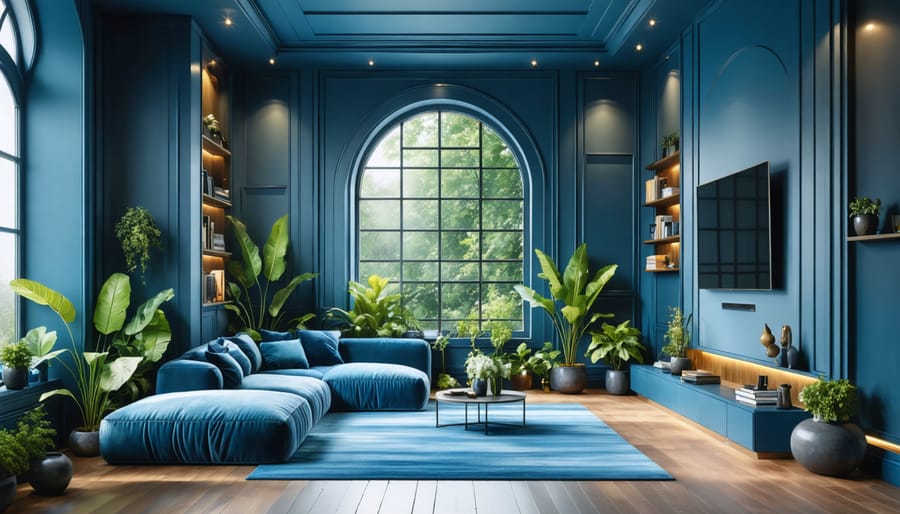
One effective approach is to choose a monochromatic palette, which involves using varying shades and tints of a single hue. For instance, a living room decorated in shades of blue, ranging from soft sky to deep navy, can evoke a calming and harmonious atmosphere. Accents in complementary colors, such as orange or yellow, can add visual interest without disrupting the overall cohesion.
Before-and-after transformations often illustrate the dramatic impact of proper color coordination. Picture a chaotic living room with mismatched furniture in clashing reds, purples, and greens. Now imagine the same space reimagined with a serene monochromatic gray scheme, punctuated by warm brass accents and soft cream upholstery. The difference is striking.
Professional designers rely on several tried-and-true techniques to achieve these examples of harmony in interior design:
- The 60-30-10 rule: distribute your dominant color across 60% of the space, a secondary hue at 30%, and an accent color for the remaining 10%
- Analogous color schemes using neighbors on the color wheel (like green, blue-green, and blue) for subtle, soothing harmony
- Complementary palettes pairing opposite colors (navy and burnt orange) for dynamic yet balanced contrast
- Accent color repetition throughout connected rooms to create visual flow and continuity
- Neutral grounding with beige, gray, or taupe to anchor bolder color choices and prevent overwhelm
A bedroom featuring a palette of green, blue-green, and blue can create a soothing and tranquil environment. Incorporating neutral tones, such as beige or gray, helps ground the space and provides a backdrop for the analogous colors to shine. By carefully selecting and coordinating colors, you can transform your interior into a visually harmonious and inviting haven.
A living room featuring coordinating shades of blue and green, with accents of white and natural wood tones
Repetition of Patterns
Repetition is a powerful tool for creating harmony in interior design. By echoing patterns throughout a space, you can establish a sense of visual consistency and cohesion. Fabrics, rugs, wallpaper, and other textiles offer prime opportunities to employ this technique.
Imagine a living room with a bold, geometric-patterned rug anchoring the seating area. By incorporating throw pillows featuring the same pattern on the sofa and armchairs, you create a unifying thread that ties the space together. The repetition of the pattern catches the eye and creates a pleasing sense of rhythm.
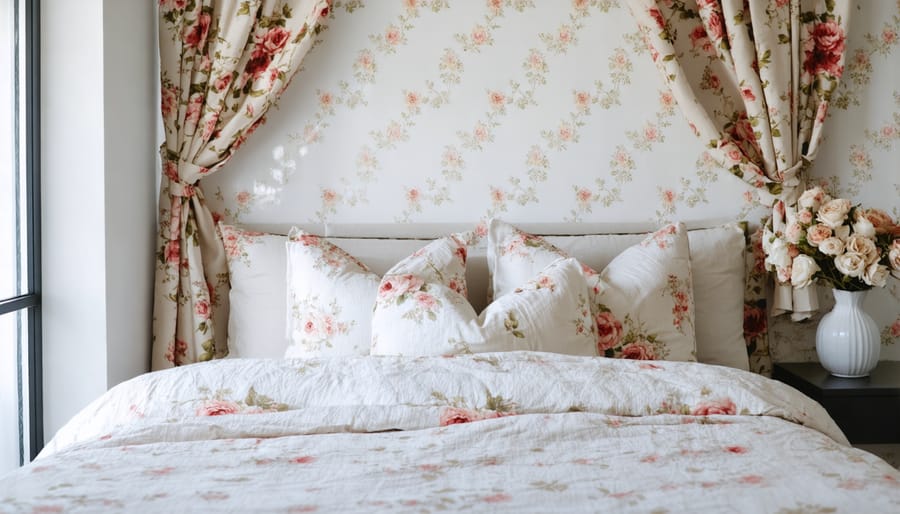
Similarly, wallpaper can be used to establish a harmonious backdrop for a room. A delicate floral pattern repeated on an accent wall can be echoed in the curtains or bedding of a bedroom, fostering a serene and cohesive atmosphere. The key is to balance the scale and intensity of the pattern to avoid overwhelming the space.
When repeating patterns, consider varying the scale or color to add depth and interest. For example, a large-scale stripe on curtain panels can be complemented by a smaller-scale version of the same stripe on dining chair cushions. This subtle variation maintains the harmonious feel while preventing the repetition from feeling monotonous.
By thoughtfully repeating patterns across different elements in a room, you can create a sense of intentional design and unity. Whether through bold graphics or subtle motifs, the repetition of patterns is a reliable strategy for achieving harmony in your interior spaces.
Consistent Style
Creating a consistent style throughout your home is one of the key principles of achieving interior harmony. By sticking to a cohesive home style you can establish a sense of visual continuity that flows seamlessly from room to room. This unified approach not only makes your space feel more put-together and intentional but also evokes a calming and harmonious atmosphere.
Understanding the core characteristics of different design styles helps you stay true to your chosen aesthetic. Each style has distinct furniture forms, color preferences, and materials that work together to create harmony.
| Design Style | Key Furniture Characteristics | Typical Color Palettes | Signature Materials/Textures |
|---|---|---|---|
| Mid-Century Modern | Clean lines, tapered legs, low-profile silhouettes | Earthy tones, olive green, mustard, warm wood hues | Teak, walnut, molded plywood, vinyl upholstery |
| Bohemian | Low seating, vintage pieces, eclectic mix of furniture | Earthy neutrals, terracotta, ochre, muted jewel tones | Rattan, macramé, layered textiles, natural fibers |
| Minimalist | Simple forms, functional pieces, uncluttered spaces | White, black, gray, monochromatic schemes | Smooth surfaces, concrete, glass, polished metal |
| Traditional | Ornate details, curved lines, classic proportions | Rich jewel tones, burgundy, navy, cream, gold accents | Carved wood, velvet, silk, damask, leather |
For example, consider a living room that embraces a mid-century modern aesthetic. The clean lines of a low-profile sofa are echoed in the sleek, tapered legs of the accompanying armchairs and coffee table. A palette of earthy tones, such as olive green and warm wood hues, is carried throughout the space in the form of textiles, wall art, and decorative accessories. This consistent use of style elements creates a cohesive and balanced look that feels both stylish and harmonious.
Similarly, a bedroom that adheres to a bohemian style can achieve harmony through the repetition of key design features. Layered textiles in a mix of vintage patterns and natural textures, such as a crochet throw blanket and a woven wall hanging, establish a free-spirited and eclectic vibe. Potted plants, mismatched artwork, and a palette of earthy, muted colors further reinforce the bohemian theme, resulting in a space that feels effortlessly cohesive and inviting.
By committing to a consistent style and thoughtfully incorporating complementary elements, you can create a sense of harmony that permeates every corner of your home, making it a visually appealing and enjoyable space to inhabit. To further explore, you might consider learning about sustainable interior design ideas for a stylistic yet eco-friendly approach.
Balanced Proportions
Achieving balanced proportions is key to creating a harmonious interior design. This involves carefully considering the size and visual weight of furniture pieces and decor elements in relation to each other and the room as a whole. A good rule of thumb: your coffee table should be about two-thirds the length of your sofa and sit roughly 14 to 18 inches away from it. For example, a large sectional measuring 120 inches might pair beautifully with an 80-inch rectangular coffee table or a 40-inch round one, balanced further by sleek accent chairs upholstered in pet-friendly fabrics. This creates a sense of equilibrium and prevents any single item from overwhelming the space.
Artwork sizing follows similar principles. When hanging a piece above a sofa or console, aim for it to span 50 to 75 percent of the furniture’s width. A 90-inch sofa, for instance, would look best anchored by a single large canvas between 45 and 68 inches wide, or a gallery wall configuration within that same range. If you’re working with a statement piece that’s smaller, balance it by grouping complementary items around it: a trio of candles on one side, a stack of books on the other, or a collection of framed photos arranged symmetrically.
The furniture-to-room ratio matters too. In living spaces, furniture should occupy roughly 60 percent of the floor area, leaving enough negative space for easy movement and visual breathing room. A 12-by-15-foot room (180 square feet) can comfortably hold about 108 square feet of furniture footprint without feeling cramped. By paying attention to these scale relationships, you create a visually balanced room that feels inviting rather than cluttered or sparse. The goal is equilibrium, where each element works in concert with the others to form a cohesive whole.
Texture Mixing
Combining contrasting textures in a room adds depth, visual interest, and a sense of harmony. Plush fabrics like velvet or chenille pair beautifully with nubby woven textures such as tweed or bouclé. The softness of the plush material against the more structured weave creates a balanced, inviting feel.
Similarly, smooth surfaces like glass, metal, or polished wood juxtaposed with rough, natural textures like stone, brick, or reclaimed wood result in a harmonious, layered aesthetic. Imagine a sleek, modern coffee table atop a plush, high-pile rug, surrounded by woven rattan chairs and raw wood shelving. The contrasts work together, each texture highlighting the unique qualities of the others.
When mixing textures, consider the overall vibe you want to create. For a cozy, inviting space, combine plush fabrics, nubby knits, and soft textiles with weathered wood and smooth, worn leather. If you prefer a more glamorous feel, pair lush velvet and smooth silk with sparkly metallics and glossy surfaces. The key is to mix textures intentionally, ensuring each element complements the others without overwhelming the space. By layering a variety of textures harmoniously, you’ll create a rich, inviting room that feels both stylish and comfortable.
Symmetrical Arrangements
Symmetry plays a crucial role in creating harmonious and balanced interior designs. When you arrange furniture, decor, and other elements in a symmetrical layout, it brings a sense of order and calm to the space. Imagine walking into a living room with a fireplace as the focal point, flanked by two identical sofas, each with a matching end table and lamp. This symmetrical arrangement instantly feels inviting and put-together.
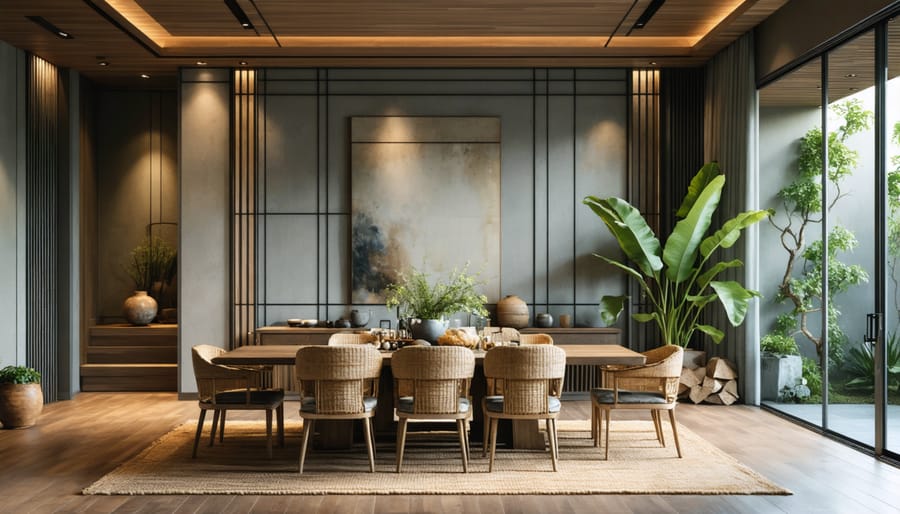
Another example of symmetry in action is a dining room with a chandelier centered above the table, which is surrounded by an even number of chairs on each side. This balanced setup creates a formal yet welcoming atmosphere, perfect for enjoying meals with family and friends.
When incorporating symmetry into your home’s decor, don’t forget to consider the exterior as well. Harmonizing your interior and exterior design elements can create a cohesive and polished look that flows seamlessly from the inside out.
Whether you opt for a grand, symmetrical statement or subtle, balanced touches throughout your space, using symmetry in your interior design is a surefire way to create a harmonious and inviting home that feels both stylish and comfortable.
Conclusion
In conclusion, harmony in interior design can be achieved through thoughtful use of colors, patterns, textures, furniture arrangements, and decor elements. By carefully considering how each aspect of your space relates to the others, you can create a cohesive and inviting atmosphere that feels balanced and intentional. Whether you prefer a monochromatic color scheme, a complementary palette, or a mix of patterns and textures, the key is to find a unifying theme that ties everything together. As you design your own space, remember to keep these principles in mind and don’t be afraid to experiment until you find the perfect combination that resonates with your personal style. With a little creativity and attention to detail, you can transform any room into a harmonious haven that you’ll love coming home to.