Why Your Guests React the Way They Do to Your Home Design
**Capture attention the moment someone walks through your door** by understanding what triggers that instant “wow” response. The magic lies in creating focal points that command visual interest—think a bold accent wall, an unexpected lighting fixture, or a statement piece of furniture that starts conversations. Your space should tell a story through layered textures, strategic color contrasts, and intentional design choices that reflect personality while maintaining cohesion.
**Transform ordinary rooms into memorable experiences** by balancing aesthetic impact with everyday functionality. The most exciting spaces aren’t just beautiful—they’re cleverly designed to surprise and delight through thoughtful details like hidden storage that doubles as art, smart lighting that adapts to different moods, or DIY installations that showcase your creativity. Whether you’re staging a home for sale or refreshing your living room, understanding the psychology behind positive reactions helps you make confident design decisions.
**Master the art of designing spaces that generate genuine excitement** by focusing on elements that engage multiple senses and create emotional connections. From texture-rich materials that invite touch to color palettes that energize or calm, every choice contributes to how people feel and respond when experiencing your space. This guide reveals practical strategies for achieving that coveted reaction without breaking your budget.
The Psychology Behind Home Design Reactions
First Impressions Matter More Than You Think
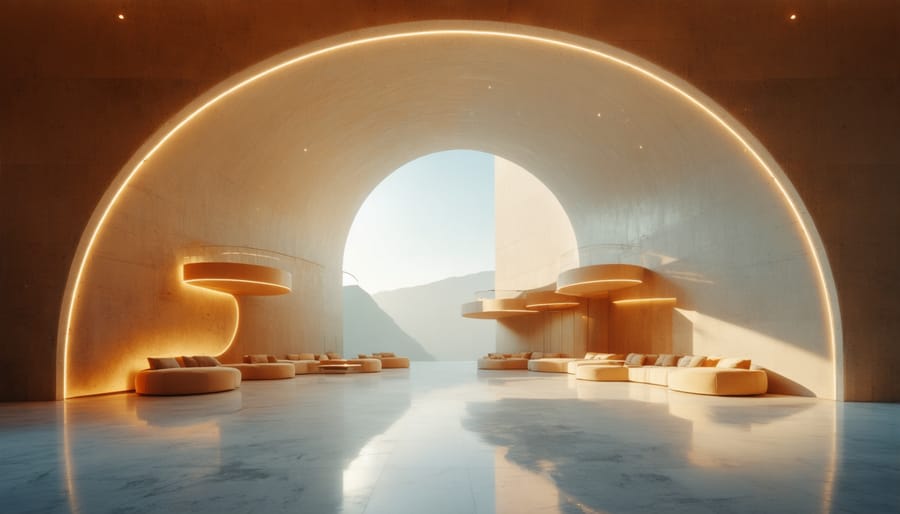
You only get one chance to make a first impression, and in home design, that chance happens lightning fast. Research shows that visitors form their initial opinion about a space within just 3 to 7 seconds of walking through the door. That’s barely enough time to take three steps inside!
During those crucial moments, your brain processes multiple design elements simultaneously. The entryway’s lighting catches your eye first, followed immediately by color choices, spatial layout, and overall cleanliness. Your mind subconsciously evaluates whether the space feels welcoming, organized, and intentional.
What’s fascinating is that these snap judgments stick. Once formed, first impressions create a mental framework that colors how visitors interpret everything else they see in your home. A cluttered, poorly lit entryway might make guests skeptical about the rest of your space, even if your living room is magazine-worthy.
The good news? You can strategically design your entry points to trigger positive reactions. Focus on maximizing natural light, choosing a cohesive color palette, and keeping surfaces clear. Even simple DIY upgrades like installing a statement light fixture or adding a mirror can dramatically transform how guests perceive your entire home from that very first moment.
How Colors and Textures Trigger Emotions
Colors and textures work together like a dynamic duo in your home, triggering immediate emotional responses before you even realize it. Understanding color psychology can transform how your space feels to everyone who enters.
Want to create excitement? Combine bold, warm colors like vibrant oranges and energetic reds with shiny, reflective textures such as polished metals or glossy finishes. These combinations stimulate the senses and create an energizing atmosphere perfect for social spaces like living rooms or entertainment areas.
For calm and relaxation, cool blues and soft greens paired with natural, matte textures like linen, cotton, or unfinished wood work wonders. These combinations lower stress levels and promote tranquility—ideal for bedrooms and reading nooks.
Here’s a practical tip: texture adds depth that color alone can’t achieve. A monochromatic room becomes instantly more interesting when you layer smooth velvet cushions with chunky knit throws and rough-hewn wooden accents. This tactile variety engages multiple senses simultaneously, creating richer emotional experiences that make your space truly memorable and fun to explore.
Design Elements That Create ‘Wow’ Moments
Statement Walls and Focal Points
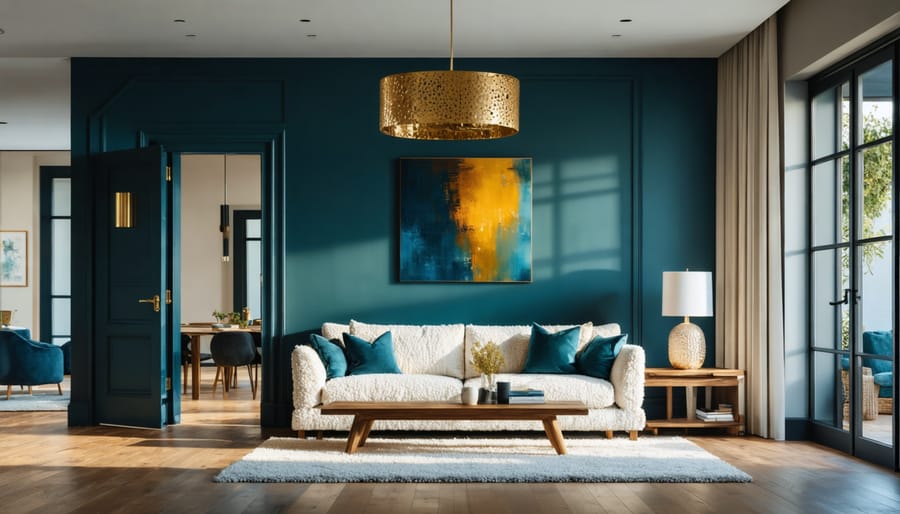
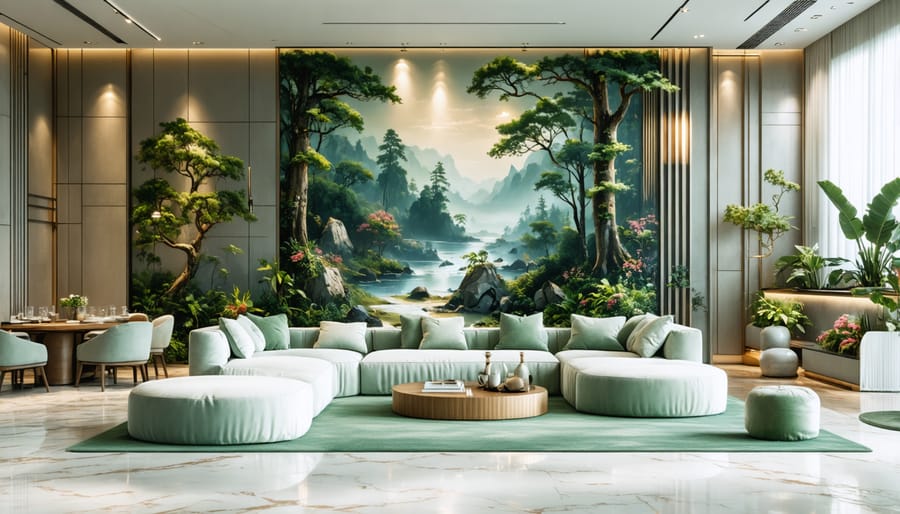
Statement walls instantly transform ordinary rooms into memorable spaces that spark conversations and create lasting impressions. An accent wall painted in a bold jewel tone, covered in textured wallpaper, or finished with reclaimed wood planks becomes an immediate focal point that anchors your entire design scheme.
Gallery walls offer endless personalization opportunities. Mix family photos with artwork, mirrors, and three-dimensional objects to create visual interest. The key is varying frame sizes while maintaining consistent spacing—typically 2-3 inches between pieces. Start by arranging everything on the floor first, then photograph your layout before hanging.
Architectural features like exposed brick, statement fireplaces, or built-in shelving naturally draw attention and add character. If your home lacks these elements, you can create similar impact with removable options. Peel-and-stick brick wallpaper or floating shelves arranged asymmetrically provide architectural interest without permanent commitment.
Don’t overlook lighting as a focal point creator. An oversized pendant light or dramatic chandelier becomes functional art that elevates the entire room. Consider installing smart bulbs that let you adjust color temperature and brightness through your phone, allowing you to change the mood instantly and create different reactions for various occasions.
Lighting That Changes Everything
Lighting is the unsung hero of home design—it can make a beautiful room feel flat or transform an ordinary space into something extraordinary. The secret lies in layering your light sources rather than relying on a single overhead fixture. Start with ambient lighting for overall illumination, add task lighting where you need focused brightness (like under-cabinet strips in the kitchen), and finish with accent lighting to highlight artwork or architectural features.
Smart lighting technology takes this even further, allowing you to adjust color temperature and brightness throughout the day. Cool, bright white light energizes morning routines, while warm, dimmed lighting creates a cozy evening atmosphere. Most smart bulbs are simple DIY installations—just screw them in and connect to your phone.
Don’t underestimate the power of dimmers, either. This affordable upgrade gives you instant control over mood and ambiance. Consider adding LED strip lighting behind mirrors, under shelves, or along stairways for a modern touch that genuinely makes guests stop and say “wow.” The best lighting designs are barely noticed themselves but make everything else in your home look incredible.
The Unexpected Detail Effect
Sometimes the most memorable reactions come from the smallest surprises. A hidden charging station disguised as a book on your shelf, cabinet hardware shaped like tiny brass insects, or a secret reading nook tucked under the stairs—these unexpected details create moments of discovery that guests love to share.
Consider personalized touches like a gallery wall of vintage postcards from places you’ve visited, or a colorful backsplash made from broken china pieces with special meaning. Quirky accents like vintage doorknobs repurposed as coat hooks or floating shelves that appear to defy gravity spark curiosity and conversation.
The beauty of unexpected details is they don’t require major renovations. Simple DIY swaps—replacing standard light switch plates with decorative ones, adding patterned tile to just one stair riser, or installing a pegboard wall in an eye-catching color—deliver maximum delight with minimal investment. These thoughtful surprises show personality and make your space uniquely yours, creating genuine “wait, is that…?” moments that turn casual visitors into enthusiastic admirers.
Making Your Home Feel Both Fun and Functional
Where to Be Bold (And Where to Hold Back)
Knowing where to take design risks versus where to play it safe can make or break your home’s overall impact. Here’s the golden rule: be bold in spaces where you spend shorter periods of time, and hold back in rooms where you live daily.
Powder rooms, entryways, and dining rooms are perfect for adventurous choices. Try dramatic wallpaper, unexpected paint colors, or statement lighting fixtures. These spaces create memorable first impressions without overwhelming your everyday life. You can also experiment with bold accent walls in living rooms or vibrant tile in mudrooms.
Reserve neutral, timeless choices for bedrooms, main bathrooms, and kitchens. These high-use spaces benefit from calming palettes and classic designs that won’t tire you out after six months. Stick with neutral base colors for major investments like cabinetry, countertops, and flooring—you can always add personality through easily changeable elements like artwork, textiles, and accessories.
This balanced approach lets you satisfy your creative urges while maintaining a home that feels comfortable long-term. Plus, if you ever decide to sell, you’ll have exciting features that showcase personality without alienating potential buyers in the most important rooms.
Mixing Personal Style with Crowd-Pleasers
The secret to creating spaces that wow visitors while feeling authentically yours lies in the 80/20 rule. Fill about 80% of your room with universally appealing elements—neutral walls, comfortable seating, good lighting—then reserve 20% for personal style pieces that showcase your unique interests and passions.
Start with a solid foundation of crowd-pleasers. Clean lines, quality materials, and functional layouts appeal to nearly everyone. Layer in your personality through curated accessories, artwork, and statement pieces that spark conversation. Display your vinyl collection on floating shelves, showcase travel souvenirs in a stylish cabinet, or create a gallery wall featuring your photography—these touches generate genuine reactions because they tell your story.
**DIY Project: Create a Conversation-Starting Display**
1. Choose one wall or surface as your personality showcase
2. Select 3-5 items that represent your hobbies or achievements
3. Arrange them with intentional spacing using the rule of thirds
4. Add subtle lighting (battery-powered LED strips work great)
5. Keep the surrounding area neutral to let your display shine
The key is restraint. One wall dedicated to your comic book collection becomes a fun focal point; covering every surface overwhelms visitors. Similarly, integrate smart home technology thoughtfully—voice-controlled lighting impresses guests, but don’t sacrifice style for gadgets.
Remember, the most memorable homes balance familiarity with surprise. Give visitors comfortable, recognizable spaces punctuated by unexpected personal elements that invite questions and create genuine connections.
DIY Projects That Generate Amazing Reactions
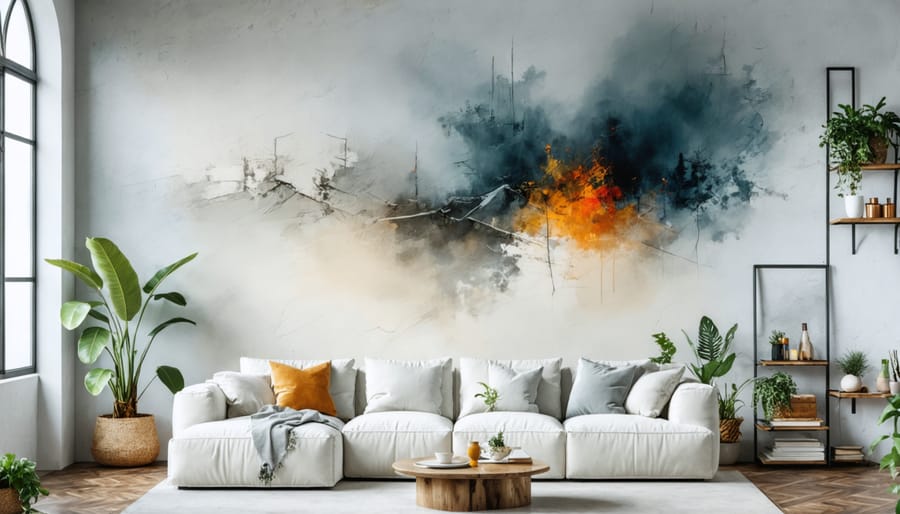
The Weekend Accent Wall Transformation
Ready to make a bold statement without breaking the bank or your schedule? An accent wall is your secret weapon for instant impact. This weekend warrior project typically takes just 4-6 hours and delivers that jaw-dropping reaction you’re after.
**Choose Your Method:**
For renters or commitment-phobes, removable wallpaper is your best friend. Simply measure your wall, order extra for pattern matching, and apply with a squeegee from top to bottom. No mess, no stress, and easily reversible.
If you’re team paint, consider geometric patterns using painter’s tape to create triangles, chevrons, or a modern grid. Mark your design lightly with a pencil first, tape carefully, and paint in sections. Remove the tape while the paint is still slightly wet for crisp lines.
Want something truly unique? Try an ombre effect by mixing your base color with white in progressively lighter ratios. Start dark at the bottom and blend upward using horizontal brush strokes, working quickly while wet.
**Pro tip:** Test your design on a smaller section or poster board first. Position your accent wall where it naturally draws the eye—behind your bed, sofa, or at the end of a hallway for maximum impact.
Statement Lighting on a Budget
Lighting fixtures can transform a room from ordinary to extraordinary, and you don’t need designer prices to achieve that wow factor. The secret lies in creative thinking and strategic upgrades that make guests stop and ask, “Where did you get that?”
Start with your existing fixtures by giving them a fresh identity. Spray paint outdated brass or chrome finishes in matte black, brushed gold, or even a bold emerald green. This simple $10 fix can completely change a light’s personality. For pendant lights, swap boring shades with woven baskets, vintage colanders, or geometric wire frames from craft stores.
Create custom chandeliers using unexpected materials like Edison bulbs hung at varying heights with fabric-wrapped cords, or cluster multiple paper lanterns together for a cloud-like effect. Hardware stores sell all the electrical components you need, and most projects require just basic wiring knowledge—always turn off power at the breaker first!
For instant drama, consider installing dimmer switches to control ambiance. Smart bulbs offer another budget-friendly tech integration, letting you adjust color temperature and brightness from your phone to match different moods.
The key to professional-looking results is scale and placement. Oversized fixtures make bold statements, so don’t be afraid to go bigger than expected. A striking light fixture naturally draws the eye upward, creating that memorable “reaction moment” when someone enters your space. Position statement pieces where they’ll be noticed first—over dining tables, in entryways, or above kitchen islands.
Technology Integration for the ‘Smart Design’ Reaction
Smart Home Features That Wow Without Overwhelming
Smart technology shouldn’t feel like you’re living in a spaceship—the best integrations blend seamlessly into your design while making life genuinely easier. Start with voice-controlled lighting that adapts to your daily rhythm. Smart bulbs like Philips Hue or LIFX hide inside existing fixtures, letting you adjust brightness and color temperature without installing complicated systems or disrupting your aesthetic.
Smart thermostats like Nest or Ecobee offer sleek, minimalist designs that complement any wall. They learn your schedule and adjust automatically, creating comfort without constant fiddling. Position them thoughtfully as intentional design elements rather than eyesores.
For window treatments, motorized blinds with whisper-quiet motors maintain clean lines while providing smartphone or voice control. They’re particularly impressive for hard-to-reach windows and create that “wow” moment when visitors see them glide open effortlessly.
Keep remotes and charging cables organized with hidden charging stations built into furniture or decorative boxes. The key is choosing devices with clean aesthetics—think matte finishes, neutral colors, and simple interfaces. Technology should enhance your home’s personality, not announce itself as the main attraction. When done right, guests will marvel at the convenience without the space feeling overly futuristic.
Hidden Tech That Keeps Spaces Clean and Exciting
Nothing kills a fun vibe faster than tangled cables and tech clutter. The good news? You can keep all your favorite gadgets while maintaining that clean, exciting aesthetic.
Start with **cable management boxes** – these decorative containers hide power strips and excess cords behind furniture. For wall-mounted TVs, use in-wall cable kits to route wires invisibly between studs. Wireless charging stations built into furniture eliminate phone charging cables entirely.
Consider **furniture with built-in tech storage**. Media consoles with cable pass-throughs, desks with grommet holes, and ottomans with hidden compartments keep devices accessible but out of sight. Cord clips secured along table legs and baseboards create clean pathways for necessary wires.
For a truly seamless look, **motorized screens and hidden projectors** can disappear when not in use. Frame your TV as artwork with specialized frames, or conceal it behind sliding barn doors or cabinet panels.
The key is making technology work for your space rather than dominate it. When devices blend into your design instead of fighting against it, you maintain that polished, exciting atmosphere that makes people react with genuine delight.
At the end of the day, the most memorable home design reactions don’t come from following trends blindly or copying what you see in magazines. They emerge from spaces that genuinely tell your story while surprising and delighting everyone who walks through the door. The best part? You don’t need a designer’s budget or professional training to achieve this.
Trust your instincts when choosing colors, textures, and furniture arrangements. If something makes you smile or feel energized, it’s probably worth incorporating into your space. Don’t be afraid to experiment with unexpected combinations—that vintage lamp paired with modern furniture, or that bold accent wall you’ve been contemplating, might be exactly what creates that wow factor you’re after.
Remember to balance your creative ambitions with practical considerations. A stunning room that doesn’t function well for your daily life won’t generate positive reactions long-term. Start with one room or even one corner, test your ideas, and build from there. Your home should evolve with you, reflecting not just who you are today, but leaving room for who you’ll become. The most authentic reactions come from authentic spaces.