These Smart Office Solutions Cut Energy Costs While Boosting Productivity
Transform your workspace into an eco-friendly powerhouse by integrating smart sensors that automatically adjust lighting and temperature based on occupancy patterns. Install energy-efficient LED systems with daylight harvesting capabilities to slash your workspace energy bills while maintaining optimal productivity levels. Implement IoT-enabled waste management systems that track disposal patterns and optimize recycling efficiency. Deploy smart water meters and low-flow fixtures that reduce consumption by up to 40% while providing real-time usage data through mobile apps.
These tech-forward solutions create a seamless blend of sustainability and operational efficiency, delivering immediate cost savings while positioning your facility at the forefront of environmental responsibility. By connecting these systems to a central building management platform, you’ll gain valuable insights that drive continuous improvement in your sustainability efforts while enhancing occupant comfort and engagement.
Smart Lighting Systems That Pay For Themselves
Motion Sensors and Daylight Harvesting
Motion sensors and daylight harvesting systems are game-changers in modern lighting control, helping you slash energy costs while maintaining optimal illumination. These smart technologies work together to ensure lights are only on when needed and at the right intensity.
Motion sensors automatically switch lights off in empty rooms, perfect for spaces like conference rooms, bathrooms, and storage areas where lights are often left on unnecessarily. They can reduce lighting energy use by up to 30% in these spaces, making them a smart investment for any property.
Daylight harvesting takes things a step further by measuring natural light levels and adjusting artificial lighting accordingly. When sunshine streams through windows, smart sensors dim indoor lights to maintain consistent illumination while using minimal energy. This system is particularly effective in offices with large windows or skylights, where artificial lighting can be significantly reduced during daylight hours.
The best part? Once installed, these systems work automatically, requiring no daily input from occupants. They’re also becoming more affordable and easier to integrate into existing lighting systems, making them an accessible option for both new construction and retrofits.

LED Integration and Smart Controls
LED lighting has revolutionized the way we illuminate our spaces, offering an incredible blend of energy efficiency and smart functionality. Modern LED systems go far beyond simple on/off switches, incorporating motion sensors, daylight harvesting, and smartphone controls that adapt to your daily routines. These intelligent systems can automatically adjust brightness levels throughout the day, maximizing natural light usage while maintaining optimal visibility.
What makes today’s LED solutions truly remarkable is their seamless integration with building management systems. You can group lights by zones, create custom scenes for different activities, and even track energy usage in real-time through user-friendly apps. For instance, conference rooms can automatically dim during presentations, while work areas maintain bright, productive lighting levels.
The initial setup is surprisingly straightforward, with many systems offering plug-and-play installation. Most smart LED solutions are compatible with popular home automation platforms, making it easy to coordinate lighting with other smart devices. Plus, with features like occupancy detection and scheduled operations, you can reduce energy waste while ensuring spaces are always properly lit when needed.
Climate-Smart Workspace Design
Smart HVAC Solutions
Smart HVAC solutions represent a cornerstone of modern eco-friendly building management, combining comfort with energy efficiency. These intelligent systems use advanced sensors and automated controls to maintain optimal temperature levels while minimizing energy consumption.
At the heart of smart HVAC technology are programmable thermostats that learn from your patterns and preferences. They automatically adjust temperatures based on occupancy, time of day, and even weather conditions. Many systems now offer zone-based control, allowing different areas to maintain different temperatures, perfect for both homes and offices with varying needs.
The latest smart HVAC systems integrate seamlessly with mobile apps, giving you complete control from anywhere. You can monitor energy usage, adjust settings remotely, and receive maintenance alerts before problems arise. Some systems even use AI to predict heating and cooling needs, preparing your space in advance while optimizing energy use.
Installation of smart vents and sensors can further enhance efficiency by directing airflow where it’s needed most. Many systems also include air quality monitoring, ensuring your space isn’t just comfortable, but healthy too. With potential energy savings of 20-30% compared to traditional HVAC systems, these smart solutions quickly pay for themselves while reducing your carbon footprint.
Natural Ventilation Design
Natural ventilation is one of the most effective and energy-efficient ways to maintain a comfortable workspace environment. By strategically positioning windows, vents, and openings, you can create a natural airflow that reduces the need for mechanical cooling systems while improving indoor air quality.
Start by analyzing your space’s orientation and prevailing wind patterns. South-facing windows can be particularly effective for creating cross-ventilation when paired with north-facing openings. Installing operable clerestory windows or roof vents helps hot air escape through the stack effect, while lower windows draw in cooler air from outside.
Consider incorporating features like wind scoops, solar chimneys, or thermal mass walls to enhance natural airflow. Double-hung windows offer flexibility in controlling air movement, as you can open them from either top or bottom. For larger spaces, atrium designs with automated window systems can optimize ventilation based on temperature and humidity levels.
Don’t forget about transitional spaces like corridors and lobbies – these can serve as natural air channels when properly designed. Simple additions like window awnings and adjustable louvers help manage airflow while providing shade during warmer months, making your ventilation strategy even more effective.
Energy-Monitoring Technologies
Real-Time Usage Tracking
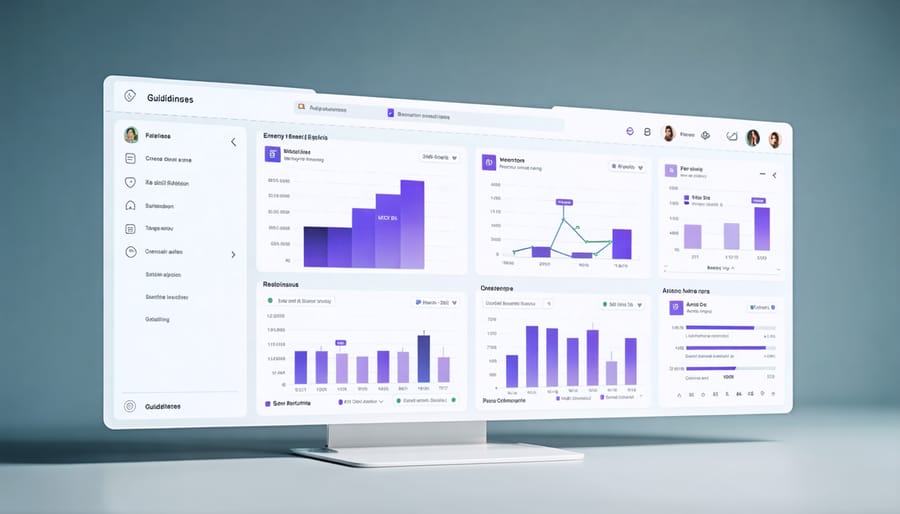
Modern energy monitoring systems have revolutionized how we track and manage resource consumption in real-time. Smart meters and connected sensors provide instant feedback on electricity, water, and gas usage through user-friendly mobile apps and dashboard displays. These tools help identify energy-hungry appliances, peak usage times, and unexpected spikes in consumption.
With detailed analytics and customizable alerts, you can spot inefficiencies immediately and make informed decisions about your energy use. Many systems offer features like room-by-room monitoring, automated device scheduling, and comparative analysis against previous months. Some even provide predictive insights, suggesting optimal times for running appliances based on energy rates and usage patterns.
This real-time visibility typically results in 15-30% energy savings, as users become more aware of their consumption habits and can make immediate adjustments to reduce waste.
Smart Power Strips and Outlets
Smart power strips and outlets have revolutionized how we manage energy consumption in our spaces. These intelligent devices automatically detect when appliances enter standby mode and cut power completely, eliminating phantom energy drain that silently increases your utility bills.
Modern smart strips feature always-on outlets for essential devices, while automatically controlling power to peripherals. For example, when you turn off your TV, the strip automatically cuts power to connected gaming consoles, sound systems, and streaming devices.
WiFi-enabled smart outlets take this concept further, allowing you to monitor energy usage through smartphone apps and set custom schedules. You can automatically power down non-essential equipment after hours or during peak rate periods. Some models even integrate with voice assistants, making power management as simple as saying “goodnight” to turn off designated circuits.
These solutions typically pay for themselves within months through reduced energy waste, while helping create a more sustainable workspace.
Sustainable Office Furniture Solutions
Recycled and Sustainable Materials
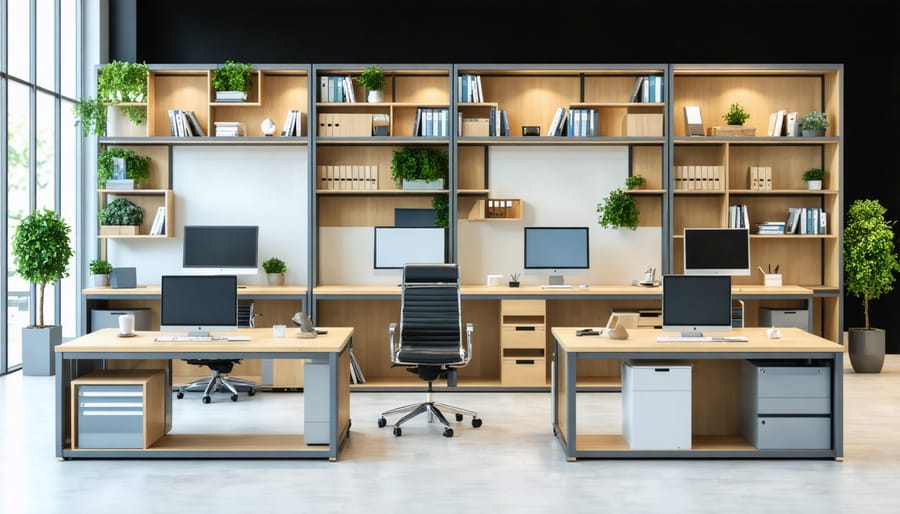
Transform your workspace with innovative sustainable furniture solutions that make a real difference for our planet. Today’s eco-friendly materials include reclaimed wood furniture, which gives new life to old timber while adding character to your space. Bamboo furnishings offer a rapidly renewable alternative that’s both durable and stylish. Look for pieces made from recycled plastics and metals, which help reduce landfill waste while creating modern, functional designs.
Consider cork furniture for a unique touch – it’s naturally renewable, antimicrobial, and surprisingly versatile. Many manufacturers now use biodegradable materials and non-toxic finishes, ensuring your furniture is safe for both your family and the environment. When selecting pieces, check for certifications like FSC (Forest Stewardship Council) or GREENGUARD to verify their eco-credentials.
Remember, sustainable materials often age beautifully and can be more durable than conventional alternatives, making them a smart long-term investment for your space. Choose pieces that combine style with environmental responsibility to create a truly forward-thinking interior.
Modular and Adaptable Designs
Modular furniture solutions are revolutionizing how we think about sustainable interior design. These adaptable pieces can be reconfigured, expanded, or reduced based on changing needs, significantly reducing the waste associated with replacing entire furniture sets. Think of modular sofas that can transform from a compact two-seater to a full sectional, or shelving systems that grow with your storage needs.
Smart furniture design now incorporates eco-friendly features like easily replaceable parts and materials that can be recycled or upcycled. For example, many modern office desks come with interchangeable tops and adjustable components, allowing for repairs or style updates without disposing of the entire piece.
The beauty of modular design lies in its longevity. When your space needs change, these pieces adapt rather than end up in landfills. Businesses particularly benefit from this flexibility, as modular workstations can be quickly reconfigured for different team sizes or project requirements. Some systems even include built-in power solutions and cable management, making them perfect for modern, sustainable workspaces while maintaining their adaptability for future technological upgrades.
Embracing eco-smart solutions isn’t just about being environmentally conscious – it’s a strategic approach that brings multiple benefits to both residential and commercial spaces. By implementing these sustainable technologies and practices, property owners can significantly reduce their energy consumption while creating healthier, more comfortable environments. The combination of smart thermostats, LED lighting systems, and energy-efficient appliances can lead to substantial cost savings, often paying for themselves within a few years.
The key to successful implementation lies in starting with small, manageable changes and gradually expanding your eco-smart ecosystem. Begin by conducting an energy audit to identify areas of improvement, then prioritize solutions based on their potential impact and return on investment. Remember that many utility companies offer rebates and incentives for eco-smart upgrades, making the initial investment more affordable.
As technology continues to evolve, these solutions become increasingly accessible and user-friendly. Whether you’re a homeowner looking to reduce your carbon footprint or a business owner aiming to create a more sustainable workplace, eco-smart solutions offer a practical path toward a greener, more efficient future.