Transform Your Patio Into a Year-Round Living Space (Without Losing the Outdoor Feel)
Transform your living space by mastering the art of indoor-outdoor transitions – where the boundary between home and nature becomes beautifully blurred. These versatile areas serve as more than just passageways; they’re dynamic living spaces that expand your home’s footprint and create seamless connections to the outdoors.
Modern indoor-outdoor transition spaces have evolved far beyond simple patios or sunrooms. Today’s designs incorporate retractable glass walls, climate-controlled pergolas, and smart technology that responds to weather changes automatically. These innovations allow homeowners to enjoy their transition spaces throughout all seasons, whether hosting summer gatherings or creating cozy winter retreats.
The key to successful indoor-outdoor spaces lies in thoughtful design that considers both aesthetics and functionality. By matching interior flooring with exterior materials, using consistent design elements, and incorporating strategic lighting, these areas become natural extensions of your home rather than separate spaces. Weather-resistant furniture, integrated heating and cooling solutions, and versatile shade options ensure these spaces remain comfortable and usable year-round.
Create your perfect transition space by focusing on three essential elements: flow, function, and flexibility. When these components work in harmony, you’ll have a living area that not only adds value to your property but also enhances your daily lifestyle by bringing the best of both worlds together.
Creating the Perfect Indoor-Outdoor Flow
Smart Door and Window Solutions
Modern door and window solutions have revolutionized how we blend indoor and outdoor spaces. Sliding glass doors remain a popular choice, offering wide openings that create seamless transitions while maintaining excellent energy efficiency. These systems can span entire walls, virtually disappearing when opened to create an unobstructed flow between spaces.
Bifold doors have gained significant traction in recent years, thanks to their accordion-style folding mechanism that allows for maximum opening width. When fully retracted, they stack neatly against the wall, making them perfect for entertaining or enjoying fair weather. Many systems now feature low-profile tracks and weather-tight seals for year-round comfort.
Smart technology integration has elevated these solutions further. Motorized operation, programmable settings, and smartphone controls make it easy to manage your transition spaces. Some systems even include sensors that automatically close doors when rain is detected or adjust based on indoor temperature preferences.
For those seeking alternative options, pocket doors that slide into wall cavities offer a clean look when open, while pivot doors create dramatic architectural statements. Multi-slide doors provide flexibility with various configurations, allowing you to partially open sections as needed.
When selecting your door system, consider factors like climate, opening size, and maintenance requirements. Many manufacturers now offer energy-efficient glass options and durable materials that stand up to weather while requiring minimal upkeep.

Flooring That Bridges Both Worlds
Selecting the right flooring for your transition space is crucial, as it needs to perform double duty – looking beautiful while standing up to both indoor and outdoor conditions. Porcelain tile stands out as a top choice, offering exceptional durability and weather resistance while maintaining a sophisticated appearance. Available in various styles, including wood-look patterns, it creates a seamless flow between spaces.
Natural stone like slate or travertine offers another elegant option, providing organic beauty and excellent durability. These materials naturally resist moisture and wear while adding timeless appeal to your space. Just remember to seal stone regularly to maintain its protective qualities.
For a modern touch, consider polished concrete with weather-resistant sealants. This option works particularly well for contemporary designs and offers nearly limitless customization through staining and stamping techniques. Plus, it’s incredibly durable and easy to maintain.
Composite decking materials have also evolved to work beautifully in transition spaces. Today’s options mimic natural wood while offering superior weather resistance and requiring minimal maintenance. Some manufacturers now offer indoor-rated versions that can create a continuous look from your interior straight through to your outdoor space.
When selecting your flooring, consider factors like slip resistance, maintenance requirements, and how well it handles temperature fluctuations. The right choice will create a cohesive look while standing up to everything nature throws its way.
Weather-Ready Design Elements
Climate Control Solutions
Creating comfortable weather-ready outdoor spaces requires thoughtful climate control solutions. For transition areas, the key is implementing systems that can adapt to both indoor and outdoor conditions while maintaining comfort year-round.
Ceiling fans are essential for air circulation and can make these spaces feel up to 10 degrees cooler in summer. Look for outdoor-rated models with moisture-resistant features for added durability. In cooler months, reverse the fan direction to push warm air downward.
Infrared heaters offer efficient spot heating without wasting energy on heating the entire space. These can be mounted on walls or ceilings, providing instant warmth when needed. For a more permanent solution, consider installing radiant floor heating, which works particularly well with stone or tile surfaces.
Retractable screens and windows play a crucial role in ventilation control. Modern motorized systems can be programmed to adjust automatically based on temperature and weather conditions. These help maintain airflow while keeping insects out during warmer months.
For humid climates, portable dehumidifiers can make transition spaces more comfortable. In drier regions, consider adding a misting system that can provide cooling effects during hot days while helping maintain optimal humidity levels.
Smart thermostats with zoning capabilities allow you to control different areas independently, ensuring energy efficiency while maintaining comfort. Many can be integrated with home automation systems, letting you adjust settings remotely through your smartphone.
Remember to include proper insulation in walls and ceilings to minimize temperature fluctuations and reduce energy costs. Weather stripping around doors and windows helps maintain consistent temperatures while preventing drafts.
Weather Protection Features
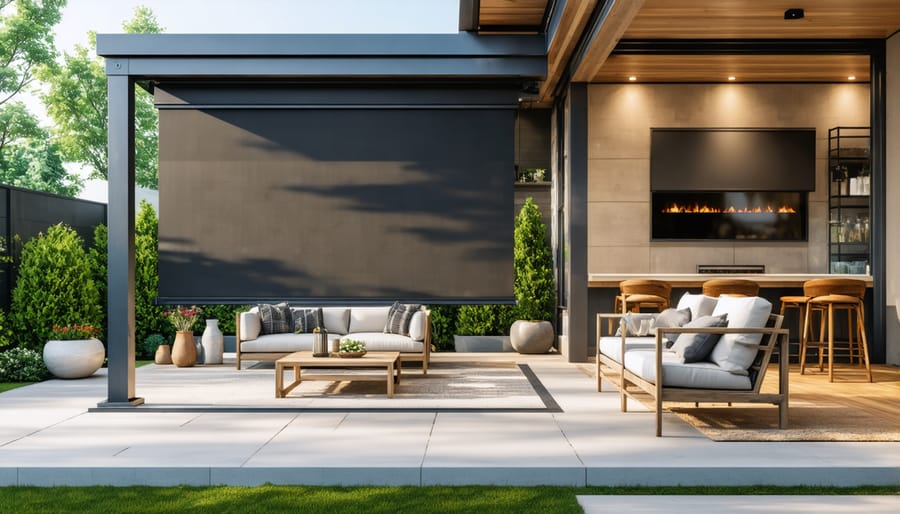
Weather protection features are essential for maintaining comfort and functionality in your transition space throughout the year. Retractable awnings offer excellent sun protection while maintaining flexibility – simply extend them during intense sunshine or light rain, and retract them when you want to enjoy open skies. These come in both manual and motorized options, with smart home integration available for automated operation based on weather conditions.
Weatherproof screens are another versatile solution, offering protection from insects while maintaining airflow. Modern screen systems can be recessed into columns or beams, appearing only when needed. Look for mesh options that block UV rays while preserving your view of the outdoors. For added protection, consider clear vinyl panels that can be rolled down during inclement weather, effectively creating a temporary enclosed space.
Permanent overhead structures like polycarbonate panels provide year-round protection while allowing natural light to filter through. These can be installed with varying degrees of transparency to control light levels and heat gain. For maximum versatility, consider combining multiple protective elements – perhaps retractable screens on the sides with a permanent overhead cover.
Don’t forget about drainage considerations. Install proper guttering systems and ensure your flooring has adequate slope to prevent water pooling. Weather-resistant curtains can add both style and functionality, acting as windbreaks and providing privacy when needed. For tech-savvy homeowners, weather sensors can automatically trigger protective features, ensuring your transition space stays protected even when you’re away.
Furniture and Decor That Works Both Ways
All-Weather Material Selection
Selecting the right durable indoor-outdoor materials is crucial for creating seamless transition spaces that withstand various weather conditions while maintaining their aesthetic appeal. For flooring, consider porcelain tiles or treated hardwood that offers slip resistance and weather protection. These materials not only look sophisticated but also handle temperature fluctuations and moisture effectively.
Wall materials should prioritize weather resistance and insulation properties. Fiber cement siding, treated wood panels, and stone veneer are excellent choices that combine durability with style. For furniture and fixtures, opt for powder-coated aluminum, teak, or high-performance synthetic wicker that can withstand sun exposure and rain while requiring minimal maintenance.
Fabric selections play a crucial role too. Choose fade-resistant, water-repellent materials like solution-dyed acrylic for cushions and curtains. These fabrics maintain their color and texture even with regular exposure to sunlight and moisture. For structural elements, consider using weather-resistant composites or treated lumber that won’t warp or rot.
Remember to incorporate proper drainage solutions and weather-resistant sealants in your material choices. This might include non-slip floor treatments or UV-protective coatings that extend the life of your materials while ensuring safety and comfort year-round. By selecting materials that perform well in both indoor and outdoor conditions, you’ll create a transition space that’s both beautiful and practical.
Flexible Furniture Arrangements
Creating adaptable furniture arrangements is key to maximizing your transition space throughout the year. Start with lightweight, weather-resistant pieces that can be easily moved or rearranged as needed. Consider modular seating systems that can be configured into different layouts – from intimate conversation areas to larger entertainment setups.
Multi-functional furniture is your best friend in these spaces. Look for coffee tables with built-in storage, ottomans that double as seating, and folding or stackable chairs that can be tucked away when not needed. Wheeled furniture pieces make seasonal transitions effortless, allowing you to quickly adapt your space to changing weather conditions.
Zone your transition area using portable room dividers or movable planters. These elements can help define different functional areas while maintaining flexibility. Consider incorporating a mix of seating heights – bar-height tables and stools can maximize vertical space while providing casual dining options.
For year-round comfort, include furniture that works in multiple seasons. All-weather wicker pieces with removable cushions offer comfort in summer and can be easily winterized. Portable heat lamps or fire tables can be positioned strategically to extend outdoor usage into cooler months.
Storage solutions are crucial for successful flexible arrangements. Built-in benches with waterproof storage compartments can house cushions and accessories, while dedicated storage cabinets keep seasonal items organized and protected when not in use.
Seasonal Styling Tips
Summer to Fall Transitions
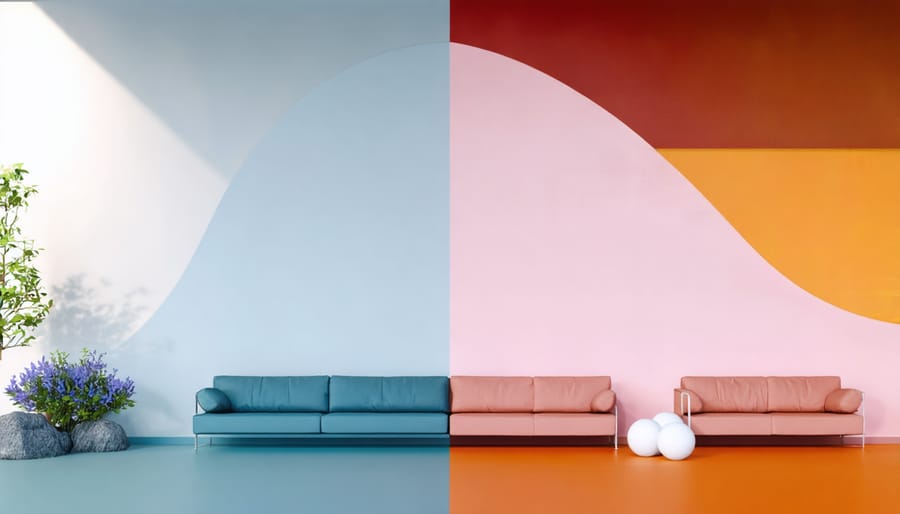
As summer’s warmth begins to fade, your transition space can adapt beautifully to embrace the cooler months ahead. Start by adding weather-resistant curtains or retractable screens that block autumn breezes while maintaining the open-air feel. Layer in cozy textiles like outdoor-rated throw pillows and blankets in warm fall colors to create an inviting atmosphere.
Consider incorporating infrared heaters or a modern fire pit to extend the usability of your space well into the cooler months. These heating elements can be strategically placed to create comfortable temperature zones without overwhelming the area. For flooring, add weather-resistant area rugs that provide both warmth and style while protecting against falling leaves and moisture.
Lighting becomes especially important as days grow shorter. Install adjustable LED string lights or lanterns that create a warm ambiance during early evenings. Consider adding automated smart lighting that adjusts to seasonal daylight changes, ensuring your space remains welcoming as natural light diminishes.
For plant enthusiasts, transition summer flowering plants to hardier autumn varieties in weather-resistant containers. Cold-tolerant plants like ornamental kale, chrysanthemums, and Japanese maples can maintain the space’s connection to nature. Add covered storage solutions for summer items while keeping frequently used pieces easily accessible.
Remember to weatherproof furniture and ensure proper drainage to protect your investment as seasonal rains increase. With these thoughtful adjustments, your transition space can remain a functional and beautiful extension of your home throughout the changing seasons.
Winter to Spring Refresh
As winter’s chill gives way to spring warmth, it’s time to refresh your transition space for the new season. Start by deep cleaning the area, paying special attention to windows and door tracks that may have accumulated winter debris. Remove heavy winter drapes or covers from outdoor furniture, replacing them with lighter, weather-resistant fabrics in bright spring colors.
Consider updating your lighting scheme to take advantage of longer daylight hours. Solar-powered lanterns or string lights can create a magical atmosphere during evening gatherings. Install programmable LED fixtures that automatically adjust to seasonal light changes for enhanced ambiance and energy efficiency.
Bring in potted plants that thrive in varying temperatures to create a seamless connection with your outdoor space. Choose varieties like peace lilies or snake plants that can handle both indoor and outdoor conditions. Position them strategically to create natural screening or define specific areas within your transition space.
Update your flooring protection with weather-appropriate solutions. Switch out thick winter mats for lighter options that still protect against spring showers. If you have retractable screens or windows, now’s the time to clean and maintain their mechanisms for smooth operation throughout the warmer months.
Finally, reorganize your storage solutions to accommodate seasonal items. Store winter accessories and bring out spring entertaining essentials like outdoor dining wear and lightweight throws for cooler evenings.
Creating a seamless transition between indoor and outdoor spaces isn’t just about aesthetics – it’s about enhancing your lifestyle and home value. By implementing the design principles, materials, and technological solutions we’ve discussed, you can craft a versatile space that works year-round. Whether you’re starting with a simple patio door upgrade or planning a complete renovation with retractable walls, the key is to focus on functionality while maintaining visual flow. Start small if needed, perhaps with updated lighting or weatherproof furniture, and gradually build toward your ideal transition space. Remember that successful indoor-outdoor living is about creating a space that reflects your lifestyle while adapting to changing seasons and needs. Now’s the perfect time to take that first step toward transforming your home into a more connected, harmonious living environment.