How Holistic Wellness Centers Transform Spaces Through Sound Design
Discover a revolutionary approach to health and wellness where ancient wisdom meets modern medicine in holistic integrative wellness centers. These comprehensive healing spaces combine traditional medical practices with alternative therapies to address all nine dimensions of wellness, creating a complete path to optimal health. Unlike conventional medical facilities, these centers offer a synchronized blend of services – from acupuncture and nutrition counseling to stress management and physical therapy – all under one roof.
What sets these centers apart is their whole-person approach, treating not just symptoms but addressing the root causes of health issues through personalized treatment plans. By integrating evidence-based conventional medicine with complementary therapies, these wellness hubs create a supportive environment where healing happens naturally. The focus extends beyond physical health to encompass mental, emotional, and spiritual well-being, making them true sanctuaries for those seeking comprehensive health solutions in today’s fast-paced world.
The Core Elements of a Holistic Wellness Center
Sound Healing Spaces
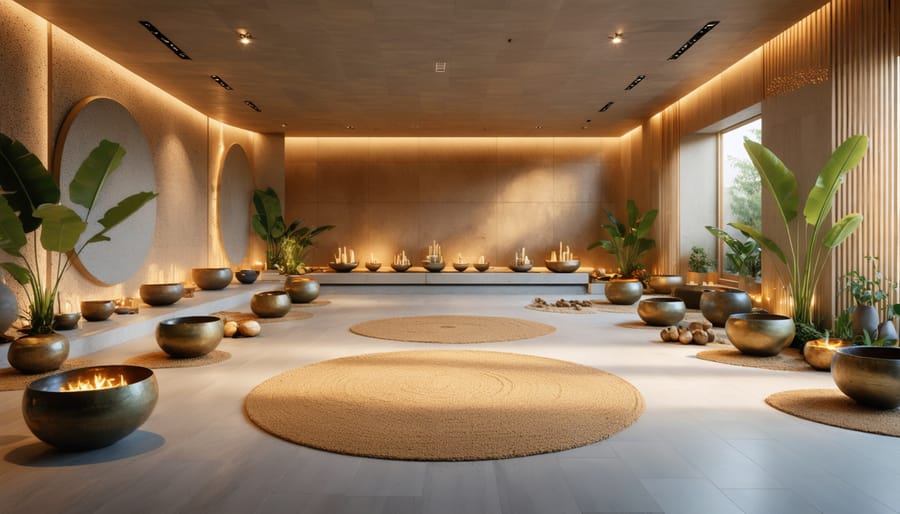
Sound healing spaces form a vital component of modern wellness centers, offering dedicated environments where acoustic treatments and sound therapy work in harmony to promote healing and relaxation. These specially designed rooms feature carefully calculated dimensions and acoustic panels that optimize sound reflection and absorption, creating the perfect environment for various sound healing modalities.
The walls and ceilings typically incorporate sound-dampening materials and diffusers to control reverberation while maintaining the pure tones of healing instruments like crystal bowls, gongs, and tuning forks. Many centers also integrate advanced sound systems for binaural beats and frequency-specific healing programs.
Floor treatments often include cork or specialized floating floors that prevent unwanted vibrations while allowing beneficial sound frequencies to resonate throughout the space. Lighting is typically adjustable, with options for both natural and artificial sources, complementing the acoustic experience.
These spaces are designed to accommodate both individual and group sessions, with flexible layouts that can be adapted for different healing modalities. Some centers even feature water features or natural elements that contribute to the overall acoustic ambiance, creating a multi-sensory healing environment.
Meditation and Relaxation Areas
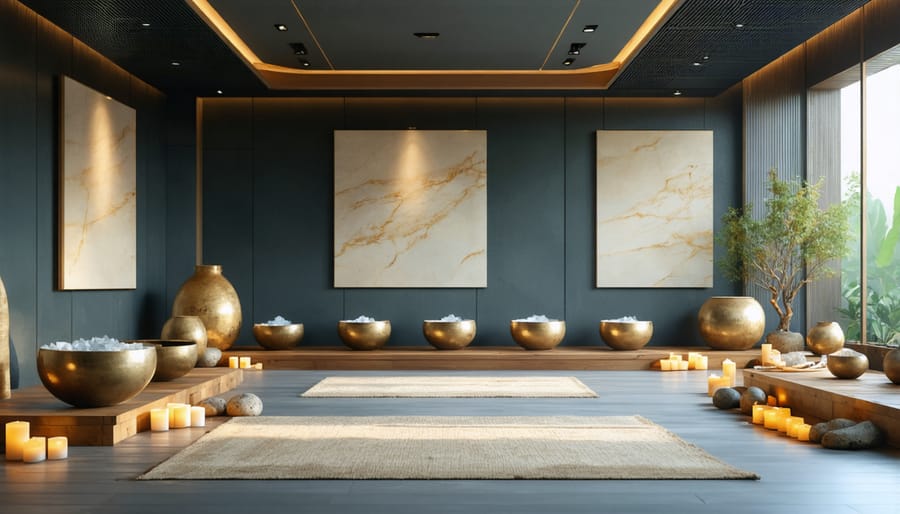
Meditation and relaxation areas form the heart of any holistic wellness center, serving as sanctuaries where clients can find peace and tranquility. These spaces require careful acoustic planning to create the ideal environment for mindfulness practices. Sound-absorbing materials like cork flooring, textured wall panels, and plush furnishings help maintain optimal sound levels below 40 decibels – equivalent to a quiet library.
To enhance the meditative experience, these areas often incorporate biophilic design elements such as living walls or water features, which provide gentle white noise that masks external disturbances. The ceiling design typically includes acoustic baffles or suspended panels that prevent sound reverberation while maintaining an open, airy feel.
Many modern meditation spaces also feature smart lighting systems with dimming capabilities and sound isolation pods for individual practice. These technological additions complement traditional elements like meditation cushions and yoga mats. Strategic placement of these areas away from high-traffic zones and mechanical rooms ensures minimal noise interference, while sound-lock vestibules create additional acoustic barriers between different spaces.
Acoustic Solutions for Wellness Spaces
Sound Absorption Materials
In creating a serene and healing environment, the choice of sound absorption materials plays a crucial role in achieving smart acoustic design. The most commonly used materials in holistic wellness centers include natural fiber panels, which not only absorb unwanted noise but also complement the organic aesthetic many centers strive to maintain.
Recycled cotton and wool panels are particularly popular choices, offering excellent sound absorption while aligning with eco-friendly principles. These materials can be easily incorporated into wall treatments and ceiling installations, often concealed behind decorative fabric covers that match the center’s interior design scheme.
Bamboo acoustic panels have gained significant traction for their sustainable properties and natural beauty. These panels can be installed in various patterns, creating visual interest while effectively managing sound reflections and echoes.
For areas requiring additional sound control, such as meditation rooms and treatment spaces, multilayered solutions combining cork underlayment with microperforated wooden panels provide superior acoustic performance. These materials can be strategically placed to create zones of quiet without compromising the open, flowing atmosphere essential to holistic wellness spaces.
Modern foam-based materials, treated with natural antimicrobial compounds, offer another effective option, especially in areas where moisture resistance is necessary, such as near water features or in humid environments.
Sound Diffusion Techniques
Sound diffusion plays a vital role in creating a therapeutic environment within a holistic wellness center. By carefully implementing acoustic treatments, these spaces achieve the perfect balance between sound absorption and reflection, essential for activities like meditation, yoga, and healing sessions.
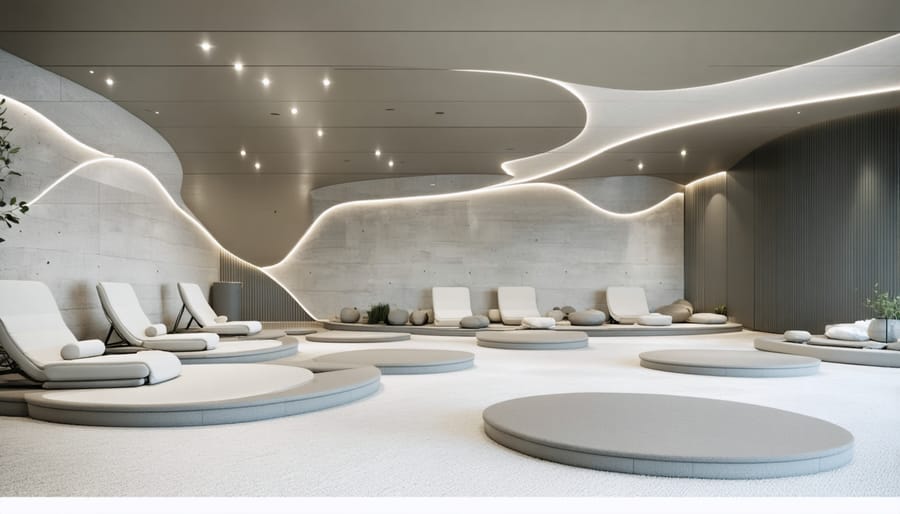
The most effective sound diffusion techniques include the strategic placement of acoustic panels, which can be both functional and aesthetically pleasing. Natural materials like bamboo and wood diffusers not only help scatter sound waves but also contribute to the center’s organic, healing atmosphere. Curved walls and irregular surfaces naturally diffuse sound, while fabric-wrapped panels can be customized to match the center’s décor.
Water features serve a dual purpose, providing both visual appeal and white noise that helps mask unwanted sounds. Living walls and indoor plants not only purify the air but also act as natural sound diffusers. For treatment rooms, specialized acoustic curtains and door seals ensure privacy while maintaining the space’s peaceful ambiance.
Modern wellness centers often incorporate smart acoustic solutions, such as programmable sound masking systems that adjust to different activities throughout the day. These can be particularly useful in open areas where multiple sessions might occur simultaneously. The key is creating zones with distinct acoustic properties while maintaining a cohesive, tranquil environment throughout the facility.
Remember, effective sound diffusion should feel natural and unnoticeable to visitors, enhancing rather than dominating the healing experience.
Design Integration Strategies
Natural Elements and Materials
Natural elements and sustainable materials play a crucial role in creating a harmonious acoustic environment within holistic wellness centers. Cork walls and bamboo panels not only provide excellent sound absorption but also bring an organic, calming presence to the space. Living walls and vertical gardens act as natural sound buffers while purifying the air and creating a connection to nature.
Wool-based acoustic panels, made from renewable resources, offer superior sound-dampening properties while adding textural interest to walls and ceilings. Natural stone features, such as water fountains or accent walls, contribute to both acoustic regulation and biophilic design principles. These elements help mask unwanted noise while creating soothing background sounds that enhance the therapeutic atmosphere.
Reclaimed wood panels and sustainable fiber ceiling tiles provide additional eco-friendly acoustic solutions that align with holistic wellness principles. These materials can be strategically placed in meditation rooms, treatment areas, and communal spaces to create distinct acoustic zones without harsh transitions.
By incorporating these natural elements, wellness centers can achieve optimal sound control while maintaining an environmentally conscious approach that resonates with their core values and enhances the overall healing experience.
Aesthetic Harmony
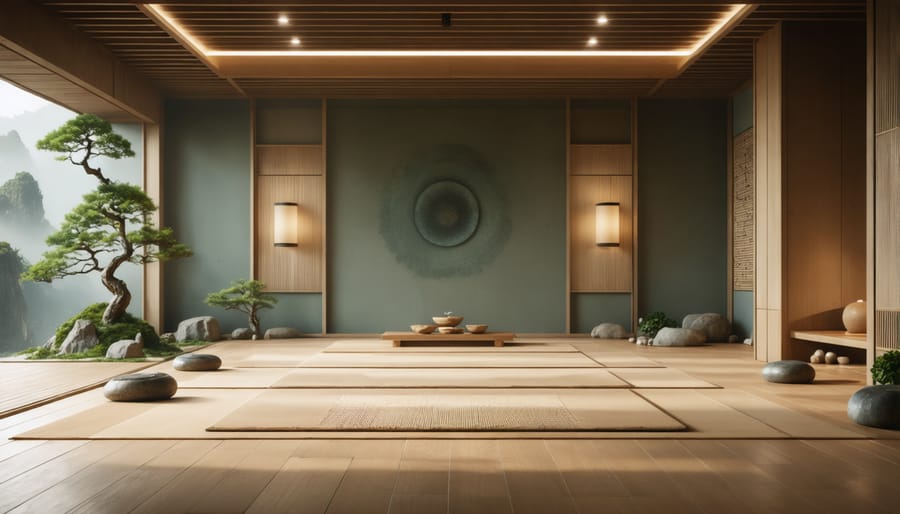
In a holistic integrative wellness centre, aesthetic harmony plays a crucial role in creating a healing environment that nurtures both body and mind. The design approach carefully balances functionality with visual appeal, incorporating natural elements, soothing color palettes, and smart sound design solutions to create a seamless, therapeutic atmosphere.
The visual elements work in concert with practical features, using sustainable materials and biophilic design principles to bring the outdoors in. Soft, diffused lighting complements natural daylight, while curved lines and organic shapes promote a sense of flow throughout the space. Strategic placement of plants, water features, and natural textures adds layers of sensory engagement without overwhelming the senses.
The center’s design considers the psychological impact of each element, from the welcoming reception area to private treatment rooms. Thoughtful space planning ensures smooth transitions between different wellness zones while maintaining privacy and comfort. The color scheme typically draws from nature-inspired tones, promoting relaxation and healing while avoiding clinical sterility.
Modern technology integrates discreetly into the design, supporting both functionality and aesthetics without disrupting the peaceful ambiance. This harmonious blend of form and function creates an environment where healing can naturally unfold.
Practical Implementation Tips
Creating an acoustically balanced wellness space requires careful attention to both design and implementation. Start by conducting a thorough sound assessment of your space, identifying areas where noise might leak in or create echoes. Install sound-absorbing materials like cork flooring or bamboo panels, which not only reduce noise but also add to the natural aesthetic.
Consider zoning your wellness center by activity level. Place meditation rooms and quiet therapy spaces away from more active areas like yoga studios or consultation rooms. Use thick curtains, living walls, or movable acoustic panels to create flexible spaces that can be adjusted as needed.
For treatment rooms, focus on wall-to-wall carpeting or area rugs to minimize footsteps and enhance privacy. Install double-pane windows with acoustic seals, and ensure all doors have proper weather stripping and bottom sweeps to prevent sound leakage.
Integrate natural elements like indoor fountains strategically – they provide both visual appeal and white noise to mask unwanted sounds. For HVAC systems, use sound baffles in ductwork and select quiet-running equipment rated for wellness environments.
Don’t forget about technology integration. Install a centralized sound system with individual volume controls for each room, allowing practitioners to customize the acoustic environment. Consider using smart sensors to automatically adjust sound levels based on occupancy and activity type, ensuring a consistently peaceful atmosphere throughout your center.
The integration of acoustic solutions in holistic wellness centers plays a vital role in creating an environment that truly supports healing and well-being. By carefully managing sound levels and implementing proper acoustic treatments, these centers can provide a more effective and immersive wellness experience for their clients. The combination of sound-absorbing materials, strategic space planning, and mindful design elements helps create peaceful spaces that promote relaxation and recovery. Whether it’s meditation rooms, treatment areas, or communal spaces, proper acoustic management ensures that each zone maintains its intended therapeutic purpose. As wellness centers continue to evolve, the importance of acoustics will remain a cornerstone of successful holistic healing environments, contributing significantly to the overall effectiveness of integrative wellness programs and treatments.