Smart Shade Solutions That Cut Energy Costs While Beautifying Your Home
Transform your living space with dynamic shading systems that automatically adjust to changing light conditions, slashing energy costs while creating the perfect indoor atmosphere. These intelligent window solutions combine cutting-edge technology with elegant design, offering unprecedented control over natural light and temperature management throughout the day.
Modern dynamic shading represents a revolutionary leap forward from traditional window treatments, employing sensors and smart controls to optimize your home’s lighting and climate conditions without any manual intervention. Whether you’re looking to reduce glare on workplace screens, protect valuable furnishings from UV damage, or simply maintain ideal indoor temperatures, these systems deliver precision performance while enhancing your property’s aesthetic appeal.
More than just a practical solution, dynamic shading serves as a cornerstone of sustainable architecture, reducing HVAC loads and contributing to significant energy savings. For homeowners and businesses alike, these systems offer an intelligent investment that pays dividends through improved comfort, reduced energy bills, and increased property value.
How Dynamic Shading Systems Transform Your Living Space
Smart Glass and Electrochromic Windows
Smart glass, also known as electrochromic windows, represents one of the most innovative advances in dynamic shading technology. Think of it as magical glass that changes from clear to tinted at the touch of a button. These windows contain special layers of material that respond to electrical currents, allowing you to control the amount of light and heat entering your space.
When you activate the system, a tiny electrical charge moves through the glass, causing the molecules in the electrochromic layer to shift their structure. This transformation allows the glass to switch between transparent and various levels of tinting. The process is similar to how transition lenses in eyeglasses work, but with precise electronic control.
The best part? You can integrate these smart windows with your home automation system, programming them to respond to changing light conditions throughout the day. They can automatically adjust to reduce glare during peak sunlight hours or maintain optimal indoor temperatures, all while preserving your view of the outdoors. This technology eliminates the need for traditional blinds or curtains, creating a cleaner, more modern aesthetic for your space.

Automated Exterior Shading
Automated exterior shading represents the cutting edge of dynamic shading technology, offering homeowners unprecedented control over their environment. These motorized systems, typically consisting of external blinds, awnings, or rolling screens, can be programmed to respond automatically to changing weather conditions and sun positions throughout the day.
Modern automated systems integrate seamlessly with smart home platforms, allowing you to control your shading through smartphone apps or voice commands. Many systems include sun sensors that trigger automatic deployment when sunlight reaches certain intensity levels, while others can be scheduled to activate at specific times of day.
The integration possibilities are extensive – you can link your exterior shades with your HVAC system to optimize energy efficiency, or connect them to your security system for enhanced home protection when you’re away. Some advanced systems even incorporate wind sensors that automatically retract the shades during strong gusts to prevent damage.
Installation typically requires professional expertise, but the long-term benefits in energy savings and convenience make these systems an attractive investment for both residential and commercial properties.
Energy Savings and Comfort Benefits
Year-Round Temperature Control
Dynamic shading systems are remarkably effective at maintaining comfortable indoor temperatures throughout the year, acting as a responsive barrier between your living space and the elements. During summer months, these intelligent systems automatically adjust to block intense sunlight and heat, reducing the load on your air conditioning and keeping your space naturally cooler.
In winter, the system works in reverse, allowing beneficial solar heat gain by opening up during peak sunlight hours. This natural warming helps reduce heating costs while still protecting against glare. The automated adjustments happen seamlessly throughout the day, responding to real-time weather conditions and sun positioning.
What makes these systems particularly efficient is their ability to adapt to changing conditions. On partly cloudy days, the shades can adjust multiple times per hour, maximizing natural light while maintaining optimal temperature control. During shoulder seasons like spring and fall, when temperatures fluctuate dramatically, dynamic shading provides precise micro-adjustments to keep indoor comfort levels steady.
Many modern systems also integrate with smart home technology, allowing you to set preferred temperature ranges and customize operations based on your schedule. Some advanced options even incorporate weather forecasts to anticipate and prepare for upcoming temperature changes, ensuring your space stays comfortable while minimizing energy usage year-round.
Lower Energy Bills
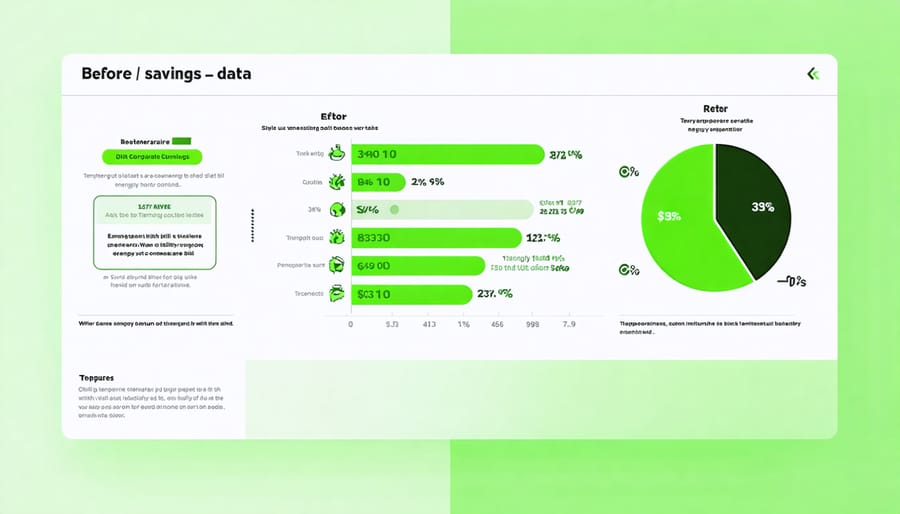
Dynamic shading systems have proven to be game-changers when it comes to helping homeowners reduce energy costs throughout the year. Take the Smith family in Arizona, who saw their summer cooling bills drop by 32% after installing automated exterior blinds on their south-facing windows. Their smart shading system adjusts automatically based on the sun’s position and indoor temperature readings.
Commercial buildings have reported even more dramatic savings. The Denver Tech Center office complex implemented dynamic shading across its 15-story building and documented a 40% reduction in cooling costs during peak summer months. The system paid for itself within three years through energy savings alone.
In residential applications, homeowners typically see savings of 15-25% on their overall energy bills. These savings come from reduced air conditioning needs in summer and better heat retention in winter. A Seattle homeowner’s smart blinds system, integrated with their home automation hub, helped cut their winter heating costs by capturing solar heat during sunny days while providing insulation at night.
The key to maximizing energy savings is proper programming and placement. Windows facing east and west benefit most from dynamic shading, as they receive the most intense direct sunlight. Modern systems can even learn from your preferences and energy usage patterns to optimize performance automatically.
Installation and Integration Tips
Choosing the Right System
When selecting a dynamic shading system, several key factors need careful consideration to ensure you make the best choice for your space. Start by assessing your climate and the direction your windows face, as these influence the type of shading control you’ll need. South-facing windows typically require more robust solutions than north-facing ones.
Consider your budget not just for installation but for long-term maintenance and operation. While motorized systems offer convenience, they generally cost more upfront than manual alternatives. The size of your windows and the number of openings that need coverage will also impact your decision.
Think about your preferred control method. Do you want a fully automated system that responds to sunlight and temperature, or would you prefer manual control? For tech-savvy homeowners, smart home integration capabilities might be essential, while others might prefer simpler solutions.
Evaluate the system’s energy efficiency ratings and whether it qualifies for any local energy rebates. Also consider the aesthetic impact – some systems are more visible than others, which might affect your home’s appearance. Finally, check the warranty terms and availability of local installation and maintenance services.
Smart Home Integration
Modern dynamic shading systems excel at smart home integration, making them a perfect addition to your connected living space. Most systems are compatible with popular platforms like Amazon Alexa, Google Home, and Apple HomeKit, allowing you to control your shades through voice commands or smartphone apps.
Setting up the connection is typically straightforward: most dynamic shades come with a Wi-Fi hub that connects to your home network. Once connected, you can create automated schedules, link your shades to motion sensors, or coordinate them with other smart devices. For example, you might program your shades to close automatically when your smart thermostat detects rising temperatures, or have them open gradually as your smart alarm signals the start of your day.
Many systems also offer integration with smart lighting controls, creating seamless scenes that adjust both natural and artificial light. Some advanced features include weather station connectivity, which automatically adjusts your shades based on real-time weather conditions, and geofencing capabilities that trigger shade movements when you leave or return home.
Professional vs. DIY Installation
When it comes to installing dynamic shading systems, you’ll need to weigh the benefits of professional installation against the DIY approach. Professional installation ensures expert setup, proper calibration, and seamless integration with your home’s automation systems. Installers bring specialized tools and experience, particularly valuable for complex motorized systems or whole-house installations.
DIY installation can be feasible for simpler systems, especially if you’re comfortable with basic home improvement projects and technology. However, you’ll need to carefully consider your skill level, as incorrect installation could lead to operational issues or even damage to the system. Manual dynamic shades tend to be more DIY-friendly than motorized options.
Cost is another major factor. Professional installation typically adds 20-30% to your project budget but includes warranties and technical support. DIY installation saves money upfront but requires time investment and careful planning. For optimal results, consider professional installation for motorized or whole-house systems, while simpler single-room solutions might be suitable for DIY implementation.
Design and Aesthetic Considerations
Style Options and Materials
Dynamic shading solutions come in a variety of styles and materials to suit any architectural design or personal preference. Popular material choices include weather-resistant fabrics like solar-grade polyester and acrylic blends, which offer excellent durability while maintaining a sleek appearance. For a more natural look, bamboo and wood slats provide warmth and character while still delivering effective shade control.
Modern mesh materials are increasingly popular, offering varying degrees of transparency that allow you to maintain views while blocking harmful UV rays. These materials come in an array of colors and patterns, from subtle neutrals to bold statement hues that can complement your exterior design.
For automated systems, aluminum and steel components provide the structural integrity needed for smooth operation. These materials are typically powder-coated to resist corrosion and can be customized to match your home’s color scheme.
Smart glass options are available for those seeking a high-tech solution, featuring electrochromic or thermochromic materials that change opacity based on environmental conditions. While more expensive, these systems offer seamless integration with modern architecture.
Design options range from traditional roller shades and venetian blinds to contemporary sail shades and retractable pergolas. Many manufacturers now offer customizable solutions that can be tailored to unique architectural features, ensuring both functionality and aesthetic appeal.
Complementing Your Home’s Architecture
When integrating dynamic shading into your home, it’s essential to consider how it complements your existing architecture. The key is to view these systems as natural extensions of your home’s design rather than mere add-ons. For modern homes with clean lines, consider sleek motorized blinds or minimalist exterior louvers that echo the building’s geometric patterns. Traditional homes benefit from more classic options like retractable awnings with subtle designs or Roman shades in period-appropriate materials.
Color coordination plays a crucial role in seamless integration. Choose shading systems that either match your home’s trim color for a cohesive look or purposefully contrast with your exterior to create an intentional design statement. Many manufacturers now offer customizable options that align perfectly with various sustainable design elements while maintaining architectural integrity.
Consider your home’s existing features when planning installation. Window frames, ledges, and overhangs can serve as natural mounting points that minimize visual impact. For homes with distinctive architectural elements like bay windows or dormers, look for specialized shading solutions that follow these unique shapes. Remember that proper scaling is crucial – oversized or undersized shading systems can disrupt your home’s visual balance.
The most successful installations often incorporate existing architectural lines and transitions, making the shading system appear as though it was part of the original design rather than an afterthought.

Dynamic shading represents a smart investment in both comfort and energy efficiency for any property. By automatically adjusting to changing light conditions and temperature needs throughout the day, these systems offer unparalleled convenience while significantly reducing energy costs. The combination of enhanced climate control, UV protection for furniture, and improved natural light management makes dynamic shading an attractive solution for modern homes and offices.
The flexibility to control these systems through smartphones or home automation platforms adds another layer of convenience, allowing you to create the perfect ambiance whether you’re at home or away. With options ranging from motorized blinds to sophisticated electrochromic glass, there’s a dynamic shading solution to match every budget and aesthetic preference.
As we move toward more sustainable and intelligent living spaces, dynamic shading stands out as a practical upgrade that pays dividends in comfort, energy savings, and property value. Whether you’re renovating your home or building from scratch, consider incorporating dynamic shading to transform your living space into a more comfortable, efficient, and modern environment. The initial investment quickly translates into long-term benefits that you’ll appreciate for years to come.