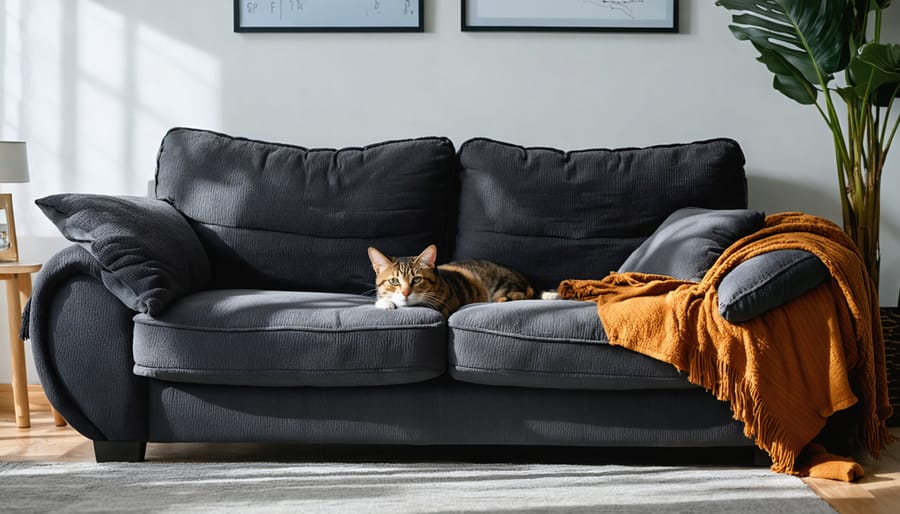
Microfiber Furniture: A Pet Owner’s Best Friend (Or Worst Nightmare)?
Microfiber stands out as one of the most pet-proof fabrics available today, offering remarkable resilience against claws, stains, and pet hair. This synthetic material combines durability with easy maintenance, making it an ideal choice for pet owners who refuse to compromise on style or functionality. While traditional upholstery often succumbs to pet-related wear and tear within months, microfiber’s tightly woven fibers resist scratching, repel liquid spills, and allow pet hair to brush away effortlessly. Recent advancements in microfiber technology have produced even more pet-friendly variants, featuring enhanced stain resistance and antimicrobial properties that help control pet odors. Whether you’re furnishing a new home or upgrading your existing furniture, understanding microfiber’s pet-friendly characteristics can help you make an informed decision that benefits both your family and your furry companions.
What Makes Microfiber Different from Other Fabrics?
The Science Behind Microfiber
Microfiber is made from incredibly fine synthetic fibers, each thinner than a strand of silk. These fibers are typically made from polyester, nylon, or a blend of both materials, split into microscopic strands that are woven together to create a dense, durable fabric. What makes microfiber special is its structure – each fiber is split into multiple segments during manufacturing, creating a web-like surface that’s both soft and strong.
This unique composition gives microfiber its remarkable properties. The tight weave creates a barrier that resists liquid penetration while remaining breathable. The split fibers also act like tiny hooks that trap dust, dirt, and pet hair instead of letting them settle into the fabric. Additionally, the synthetic nature of the material means it’s less likely to harbor bacteria or retain odors, making it particularly suitable for homes with pets.

Common Types of Microfiber Upholstery
Microfiber upholstery comes in several varieties, each offering unique benefits for pet owners. The most common type is polyester-based microfiber, known for its durability and stain resistance. This variety feels soft to the touch and comes in various textures, from suede-like to more plush finishes.
Nylon microfiber is another popular option, prized for its exceptional strength and ability to withstand heavy use. It’s particularly effective at resisting pet hair and maintains its shape well over time. For budget-conscious pet owners, polyamide microfiber offers a good balance of durability and affordability.
Some manufacturers blend different microfiber types to create specialized fabrics. For instance, polyester-nylon blends combine the best qualities of both materials, offering enhanced durability and comfort. High-end options might include antimicrobial treatments or additional stain-resistant coatings, making them especially suitable for homes with multiple pets.
Remember that darker colors and textured surfaces tend to hide pet hair and minor wear better than lighter, smooth finishes.
Pros of Microfiber for Pet Owners
Durability Against Claws and Scratches
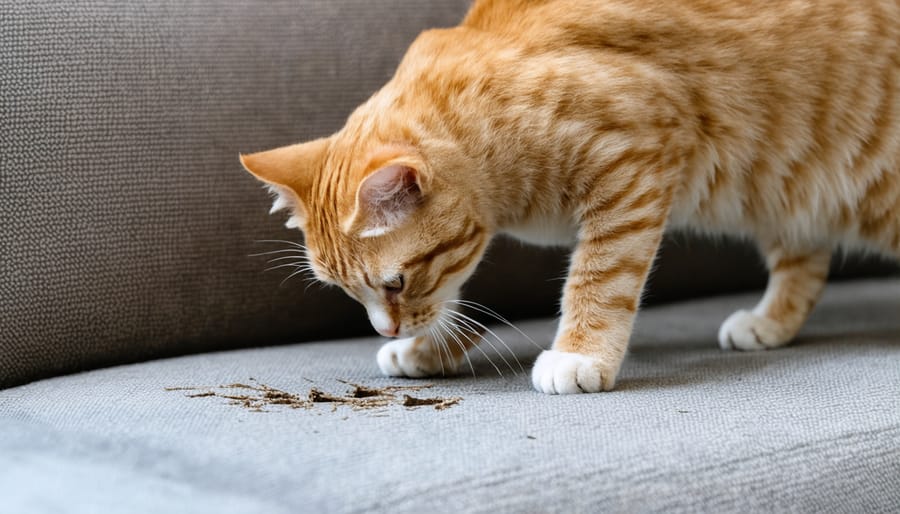
Microfiber proves remarkably resilient against pet claws and scratches, making it one of the best couch materials for pets. The tightly woven synthetic fibers resist punctures and snags that typically damage other fabrics. While not completely scratch-proof, microfiber’s durability comes from its dense construction, which prevents pet claws from easily penetrating the material. Even when cats use it as a scratching post or dogs dig at the surface, the fabric typically maintains its integrity. Small surface scratches tend to blend into the material’s texture, making them less noticeable than on leather or looser weave fabrics. For added protection, regular nail trimming and providing appropriate scratching alternatives for pets can help preserve your microfiber furniture’s appearance.
Stain and Odor Resistance
One of microfiber’s strongest selling points for pet owners is its exceptional stain and odor resistance. The tightly woven synthetic fibers create a barrier that helps prevent liquids from immediately soaking into the furniture’s core. When accidents happen, pet urine and other liquids tend to bead up on the surface, giving you precious extra seconds to clean before staining occurs. The water-resistant nature of microfiber also means that odors are less likely to become trapped in the fabric, unlike natural materials that can absorb and retain pet smells. Regular cleaning is still important, but the material’s natural resistance makes maintenance much easier and helps furniture stay fresher longer, even in homes with multiple pets.
Easy Cleaning and Maintenance
Keeping your microfiber furniture clean with pets around is surprisingly straightforward. Regular vacuuming with a soft brush attachment removes loose pet hair and dander before it becomes embedded. For small spills or accidents, blot immediately with a clean, white cloth. Most stains can be removed using a simple solution of mild soap and water, followed by gentle circular brushing with a soft-bristled brush to restore the nap.
For deeper cleaning, use a water-based pet-safe cleaner specifically designed for microfiber. Always test cleaning products on a hidden area first. After cleaning, use a dry brush to fluff the fabric, restoring its original texture. To maintain freshness between cleanings, sprinkle baking soda on the surface, let it sit for 15 minutes, and vacuum thoroughly. These simple maintenance steps will keep your microfiber furniture looking and smelling fresh, even with furry friends around.
Potential Drawbacks for Pet Owners
Static Electricity and Pet Hair
Microfiber’s unique synthetic composition creates an interesting dynamic with pet hair due to its electrostatic properties. The fabric can develop a static charge, especially in dry conditions or during winter months, which may cause pet hair to cling more stubbornly to the surface. While this might seem like a disadvantage, it actually helps contain shed fur in one place rather than allowing it to float around your home.
To manage static buildup, consider using a fabric softener sheet to wipe down your microfiber furniture occasionally. This simple trick helps neutralize the static charge and makes pet hair removal easier. You can also maintain optimal humidity levels in your home (between 30-50%) to reduce static electricity naturally.
When cleaning, use a rubber pet hair removal brush or dampened rubber gloves to gather fur before vacuuming. The combination of moisture and rubber helps break the static bond, making cleanup more effective. Some pet owners even find that the static properties make weekly cleaning easier since fur tends to collect in visible areas rather than working its way deep into the fabric.
Texture Changes Over Time
Over time, microfiber furniture undergoes noticeable texture changes with regular pet use. The most common transformation occurs in high-traffic areas where pets frequently sit or sleep. Initially smooth and uniform, these spots can develop a slightly matted or compressed appearance. Pet claws can also create small snags or pulls in the fabric, though these are typically less noticeable than on other materials.
The good news is that microfiber’s durability means these changes are often superficial rather than structural. Many pet owners report that their microfiber furniture develops a “lived-in” look that can actually add character to the piece. The fabric may become slightly softer in frequently used areas, creating comfortable spots that pets naturally gravitate toward.
However, proper maintenance can significantly slow these texture changes. Regular brushing of the fabric helps maintain its original appearance, while prompt cleaning of pet accidents prevents permanent texture alterations. Some pet owners note that rotating cushions and using throw blankets in preferred pet spots can help distribute wear more evenly across the furniture’s surface.
Care Tips for Microfiber with Pets
Daily Maintenance Routines
Keeping microfiber furniture clean with pets requires a simple but consistent maintenance routine. Start each day by using a handheld vacuum or brush to remove loose pet hair and dander before it becomes embedded in the fabric. This quick step prevents buildup and makes deep cleaning sessions much easier.
For daily spills or accidents, blot the area immediately with a clean, dry microfiber cloth. Avoid rubbing, as this can push stains deeper into the fabric. Keep pet wipes near your furniture for quick cleanup of muddy paws or drool marks.
Consider using a lint roller before and after your pets lounge on the furniture. This helps maintain the fabric’s appearance and reduces the amount of hair that gets trapped in the fibers. For areas where your pets frequently rest, place a washable throw blanket or pet cover to protect the microfiber surface.
Another helpful daily habit is to brush your pets regularly, preferably outdoors or in a designated grooming area. This reduces the amount of loose fur that ends up on your furniture. Remember to check your furniture’s care tag for specific cleaning instructions, as different types of microfiber may require different treatment methods.
Deep Cleaning Solutions
When dealing with pet-related messes on microfiber furniture, a systematic deep cleaning approach is essential. Start by vacuuming thoroughly to remove loose pet hair and dander, using attachments specifically designed for upholstery. For spot cleaning, always begin with pet-safe cleaning solutions and test them on a hidden area first.
For dried stains, use a soft-bristled brush to gently loosen the debris before cleaning. A mixture of warm water and mild dish soap works well for most pet-related stains, but avoid oversaturating the fabric. Instead, use a spray bottle to apply the solution and blot with a clean white cloth.
For stubborn odors, sprinkle baking soda over the affected area and let it sit overnight before vacuuming thoroughly. Steam cleaning can be particularly effective for deep-set pet odors and stains, but ensure your microfiber’s cleaning code allows for water-based solutions.
Remember to brush the microfiber in one direction after cleaning to restore its natural texture. For regular maintenance, keep pet nail trimmers handy and establish a weekly cleaning routine to prevent dirt and dander from becoming embedded in the fabric.
After exploring the relationship between microfiber furniture and pets, it’s clear that this fabric can be a smart choice for pet owners when properly considered. The material’s durability, easy maintenance, and resistance to pet hair make it particularly appealing for households with furry family members. However, success with microfiber furniture depends largely on choosing the right type and maintaining it properly.
For pet owners considering microfiber furniture, we recommend opting for tight-weave, high-quality microfiber in darker colors or patterns that can better hide potential stains. Regular vacuuming and prompt cleaning of spills or accidents will help maintain the furniture’s appearance and extend its lifespan. While no fabric is completely pet-proof, microfiber’s benefits often outweigh its drawbacks for pet owners.
Remember to test cleaning products in an inconspicuous area first, trim your pets’ nails regularly, and consider using protective covers during periods when pets are particularly dirty or wet. With these precautions in place, microfiber furniture can provide both comfort and practicality for you and your pets for years to come.