Blend Old Soul with Modern Flair: Contemporary Vintage Design That Works
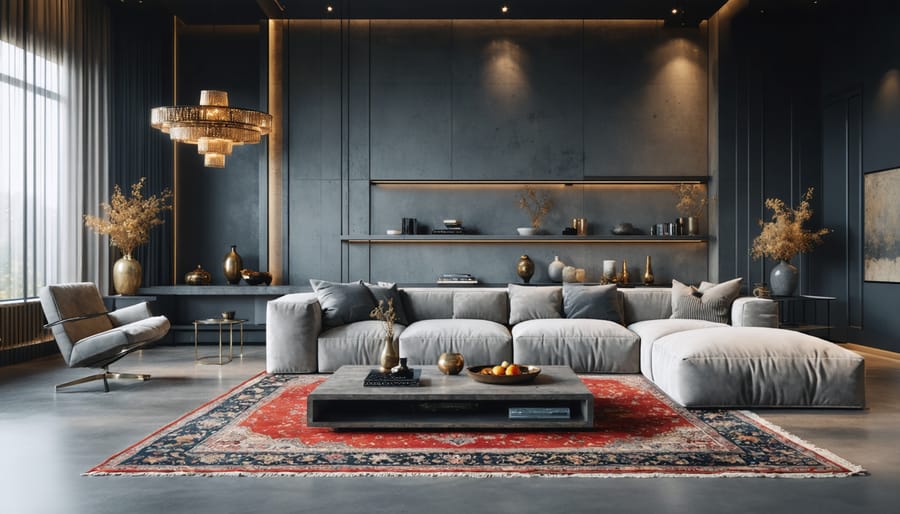
Transform ordinary spaces into stunning modern vintage home decor sanctuaries by masterfully blending timeless artifacts with sleek, contemporary design elements. Pair mid-century statement pieces with minimalist furniture to create dynamic visual tension, while maintaining clean lines and uncluttered spaces. Layer rich textures through vintage textiles and modern materials—think weathered leather chairs against polished concrete floors or antique Persian rugs beneath streamlined glass tables.
Contemporary vintage design captivates because it breaks traditional rules while honoring classic aesthetics. This approach transforms cherished heirlooms and flea market treasures into sophisticated focal points within modern spaces. By carefully curating each piece and considering scale, proportion, and negative space, this design style creates rooms that feel both fresh and timeless, personal and polished.
The key lies in thoughtful contrast: industrial metals alongside ornate woodwork, abstract art above Victorian furniture, or smart home technology discretely integrated into vintage architectural features. This deliberate tension between old and new creates spaces that are both innovative and inviting, proving that good design transcends time.
What Makes Contemporary Vintage Different?
The Perfect Balance
The beauty of contemporary vintage design lies in its artful balance between old and new elements. Think of it as a symphony where classic pieces harmonize with modern touches, creating spaces that feel both timeless and fresh. The key is to let neither style overwhelm the other – instead, they should complement and enhance each other’s best features.
Successful contemporary vintage spaces often follow the 70/30 rule: either 70% contemporary with 30% vintage elements, or vice versa, depending on your preferred aesthetic. This balanced approach prevents rooms from feeling like museums or becoming too stark and modern.
Consider pairing a sleek, minimalist sofa with an ornate Victorian coffee table, or mounting a flat-screen TV above a beautifully restored antique fireplace mantel. Industrial-style lighting can illuminate vintage artwork, while modern textiles can breathe new life into heritage furniture pieces.
The goal isn’t perfect matching but rather thoughtful contrast. When mixing periods and styles, look for common elements like color schemes, materials, or shapes that can serve as unifying threads throughout your space. This careful orchestration creates rooms that feel curated rather than contrived, telling a unique story of past and present.
Key Design Elements
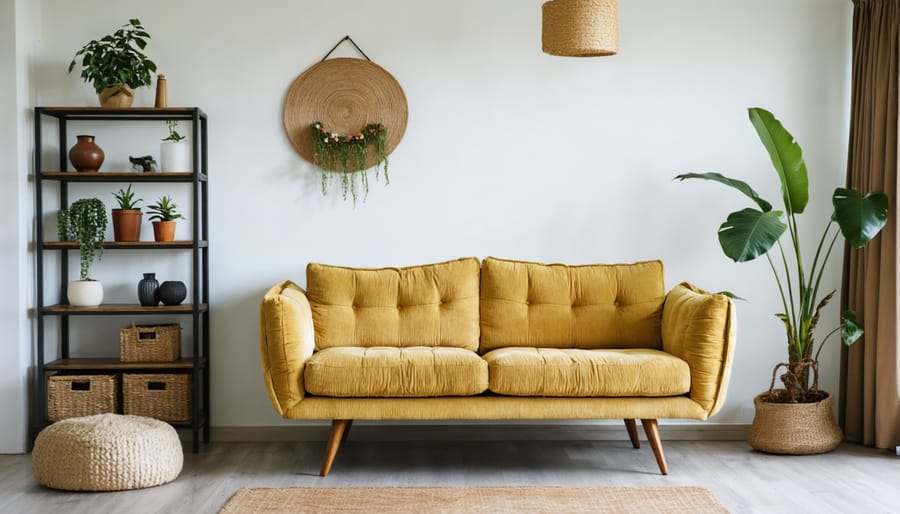
Contemporary vintage design thrives on the artful balance of old and new elements. The foundation typically includes clean, modern lines paired with carefully selected vintage pieces that serve as statement accents. Key elements include mixing materials like sleek metals with aged wood, and combining contemporary neutral palettes with pops of retro colors.
Lighting plays a crucial role, often featuring modern fixtures alongside restored vintage chandeliers or industrial-style pendants. Furniture selection typically incorporates iconic mid-century pieces with current minimalist designs, creating an eclectic yet cohesive look.
Textiles and textures are essential in bridging the style gap, with plush modern fabrics complementing vintage patterns and prints. Wall treatments often combine contemporary techniques like color blocking with traditional elements such as wainscoting or vintage wallpaper patterns.
Decorative accessories blend periods seamlessly, featuring modern art alongside vintage photographs, retro clocks, or antique mirrors. The key is maintaining a careful balance – typically following a 70/30 ratio of contemporary to vintage pieces to prevent the space from feeling like a time capsule while preserving its unique character.
Creating Your Contemporary Vintage Space
Furniture Selection
The art of combining vintage and contemporary furniture lies in creating a harmonious balance that tells your unique story. Start by selecting anchor pieces that define your space – perhaps a sleek modern sofa paired with a beautifully restored vintage armchair. The key is to blend mid-century modern design elements with contemporary pieces that complement rather than compete.
When mixing pieces, focus on maintaining visual harmony through consistent colors, materials, or shapes. For example, pair a vintage wooden credenza with modern metallic accessories that echo its hardware. Look for vintage pieces with clean lines and minimal ornamentation, as these tend to blend more seamlessly with contemporary furniture.
Consider the 80/20 rule: either 80% vintage with 20% modern pieces, or vice versa. This creates a clear design direction while avoiding a mismatched look. Pay attention to scale – ensure your furniture pieces are proportionate to each other and your space. A massive vintage cabinet might overwhelm delicate modern chairs, while a contemporary sectional could dwarf a petite vintage side table.
Don’t forget functionality – vintage pieces should serve a purpose beyond aesthetics. Update old furniture with modern hardware or fresh upholstery to bridge the style gap. Remember, the goal is to create a curated look that feels both timeless and current, not a museum display or a purely modern showroom.
Color Schemes
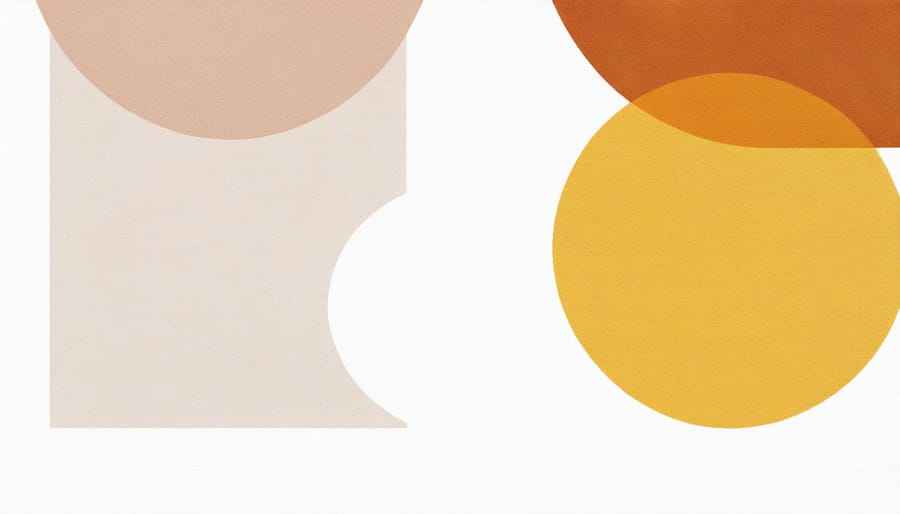
The key to successful contemporary vintage design lies in striking the perfect balance between old and new through thoughtful color choices. Modern color palettes that complement vintage pieces typically start with a neutral base of whites, grays, or warm beiges, which create a clean canvas for both contemporary and antique elements.
For a sophisticated approach, consider pairing muted pastels like sage green, dusty rose, or powder blue with crisp whites and deep charcoal accents. These softer hues honor the vintage aesthetic while maintaining a fresh, current feel. Alternatively, bold contemporary colors like navy blue, emerald green, or deep burgundy can make vintage pieces pop while adding modern drama to the space.
Metallics play a crucial role in bridging the gap between eras. Mix warm brass and copper finishes (common in vintage pieces) with modern chrome or matte black elements. This combination creates visual interest and helps unite different style periods.
For walls, consider using modern takes on traditional colors. Instead of Victorian burgundy, opt for a sophisticated wine tone. Replace traditional forest green with a more contemporary olive or moss shade. The key is choosing colors that reference historical palettes while feeling fresh and current.
Remember that color distribution matters as much as the palette itself. Use the 60-30-10 rule: 60% dominant color (usually neutral), 30% secondary color, and 10% accent color to create a cohesive look that honors both vintage charm and contemporary sensibilities.
Accessorizing
The magic of contemporary vintage design lies in thoughtful accessorizing that bridges different eras seamlessly. Start by selecting statement vintage pieces that tell a story, such as antique mirrors, classic books, or retro clocks, and pair them with sleek modern accessories. Consider mixing materials – perhaps a weathered brass candlestick alongside a minimalist glass vase, or vintage ceramic pieces next to contemporary metallic sculptures.
Layer your space with transformative art pieces that blend both styles – think vintage photographs in modern frames or contemporary prints in ornate antique frames. Textiles offer another opportunity for creative mixing: combine traditional patterns like damask or toile with geometric modern prints in complementary colors.
Small decorative elements can make a big impact. Display vintage collections in modern acrylic boxes, or arrange antique books with contemporary bookends. Consider functionality too – vintage typewriters or cameras can serve as both decorative pieces and conversation starters when placed on modern floating shelves or sleek console tables.
Remember to maintain balance – if your larger furniture pieces lean modern, incorporate more vintage accessories, and vice versa. The key is creating vignettes that feel curated rather than cluttered, allowing each piece enough breathing room to shine while contributing to the overall aesthetic harmony of your space.
DIY Contemporary Vintage Projects
Furniture Upcycling
Breathing new life into vintage furniture pieces is a cornerstone of contemporary vintage design, allowing you to create unique focal points while maintaining sustainability. The key is finding the perfect balance between preserving character and adding modern elements.
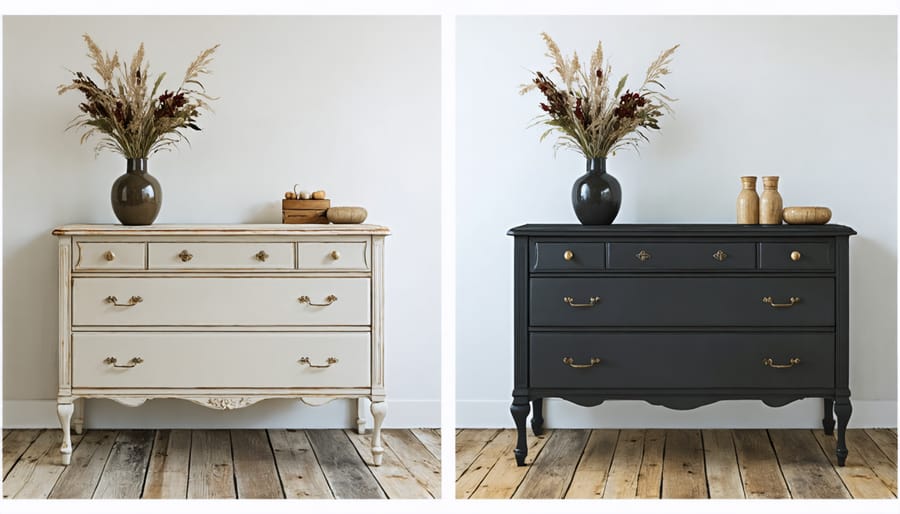
Start by assessing your piece’s condition and identifying its best features. Original hardware, intricate carvings, or unique wood grain patterns are worth highlighting. For mid-century pieces, consider updating them with bold, solid colors while keeping the original silhouette intact. A vintage dresser, for instance, can be transformed with matte navy paint and modern brass handles.
Reupholstering vintage chairs and sofas with contemporary fabrics creates an instant update. Try geometric patterns, velvet, or performance fabrics that blend durability with style. For wooden pieces, consider two-tone treatments: maintain the original wood finish on some sections while painting others in complementary modern hues.
Don’t overlook small updates that make big impacts. Replacing dated glass panels with mirror or metallic mesh, adding modern legs to vintage cabinets, or installing LED lighting in display pieces can bridge the old-new divide beautifully. When refinishing, opt for eco-friendly paints and sealants that protect both your furniture and the environment.
Remember, imperfections tell a story – don’t aim for perfection. Sometimes, letting a bit of wear show through adds authenticity to your contemporary vintage piece.
Smart Tech Integration
Incorporating modern technology into a vintage-inspired space requires a delicate balance. The key is to embrace smart home technology integration while maintaining the room’s nostalgic charm. Consider hiding smart speakers within vintage radio cabinets or tucking streaming devices behind antique book collections. Choose retro-styled smart light bulbs that mimic the warm glow of Edison bulbs while offering modern convenience through smartphone control.
For entertainment spaces, mount your flat-screen TV in a vintage-inspired gallery wall, surrounding it with antique frames and artwork to help it blend seamlessly. When not in use, program it to display classic artwork or black-and-white photographs. Install motorized vintage-style roller blinds that can be controlled through your phone while maintaining their period appearance.
Modern charging stations can be disguised within repurposed antique boxes or vintage desk organizers. For sound systems, opt for speakers with wood or brass finishes that complement your vintage décor. Consider installing smart thermostats with customizable faceplates that match your room’s historic character.
The secret lies in choosing technology that serves a purpose while remaining visually discreet. Whenever possible, conceal wiring behind walls or within period-appropriate furniture, and use cord covers painted to match your baseboards. Remember, successful integration means your tech should enhance your lifestyle without becoming the room’s focal point.
Common Mistakes to Avoid
Blending vintage and contemporary elements requires a delicate balance, and even experienced designers can stumble along the way. Here are the most common pitfalls to watch out for when creating your contemporary vintage space.
First, avoid overcrowding your space with too many vintage pieces. While it’s tempting to display every beautiful antique you’ve collected, too many statement pieces can make your room feel like a cluttered antique shop rather than a thoughtfully designed living space. Instead, select a few key vintage items that can serve as focal points.
Another frequent mistake is failing to maintain a consistent color palette. When mixing old and new, use a cohesive color scheme to tie everything together. Randomly combining different periods without a unifying color strategy can make your space feel disjointed and chaotic.
Don’t fall into the trap of creating a period-specific room with just one modern piece thrown in, or vice versa. The key to contemporary vintage design is achieving a genuine blend. Aim for a roughly 70/30 or 60/40 split between modern and vintage elements to create a balanced look.
Be careful not to ignore scale and proportion. Vintage furniture often has different dimensions than modern pieces, so ensure your items work together in terms of size. A delicate vintage side table might look out of place next to an oversized contemporary sofa.
Watch out for mixing too many different wood tones or metallic finishes. While some variation is good, too many different finishes can make the space feel uncoordinated. Try to stick to 2-3 wood tones and metal finishes maximum.
Finally, avoid being too precious with vintage pieces. Contemporary vintage style is about creating a livable, functional space. Don’t be afraid to reupholster that vintage chair in a modern fabric or repurpose antique items in unexpected ways. The goal is to create a space that feels both fresh and timeless, not a museum display.
Contemporary vintage interior design offers a unique opportunity to create spaces that are both timeless and fresh, combining the best of both worlds. By thoughtfully mixing vintage treasures with modern elements, you can craft a home that tells your personal story while staying current with today’s design trends.
Remember that successful contemporary vintage design isn’t about following strict rules – it’s about finding the right balance that works for your space and style. Start small by incorporating vintage accent pieces into your modern rooms, or anchor spaces with statement vintage furniture while keeping surrounding elements contemporary.
The key to success lies in quality over quantity, careful curation, and maintaining visual harmony through color, texture, and scale. Don’t be afraid to experiment with different combinations until you find what resonates with you. Whether you’re drawn to mid-century modern pieces, industrial elements, or romantic vintage finds, there’s always a way to make them work within a contemporary context.
As you begin your contemporary vintage journey, keep in mind that this style is ever-evolving. Take time to explore flea markets, antique shops, and even online marketplaces. Document your inspiration, plan your spaces thoughtfully, and most importantly, enjoy the process of creating a home that’s uniquely yours.
Your perfect contemporary vintage space awaits – start your design adventure today and watch as your vision comes to life, one carefully chosen piece at a time.